
 Worksheets
Energy Conservation
Total questions: 102
Worksheet time: 2hrs 34mins
An object that is moving has
chemical energy
chemical energy
potential energy
kinetic energy
elastic energy
An object that is at rest on top of a bookshelf has
chemical energy
chemical energy
potential energy
kinetic energy
elastic energy
If you are rolling down a big hill you are (a) the kinetic energy.
If you are rolling down a big hill you are (a) the potential energy.

Which letter shows the ball when it has THE MOST potential energy?
A
B
C
F
G
Which letter shows the ball when it has NO potential energy?
B
C
D
E
F
Which letter shows the ball when it has THE MOST kinetic energy?
B
C
D
E
F
Which letter shows the ball when it has THE LEAST kinetic energy?
A
B
C
F
G
Which letter shows the ball when it is moving the fastest?
B
C
D
E
F

Which letters shows the ball when it has BOTH kinetic and potential energy?
The ball starts and ends AT REST. List all that apply in alphabetic order!
(a)
The Law of Conservation of Energy states:
Energy can created or destroyed but not transformed
Energy cannot be created or destroyed, it can only transformed
Energy can't be created, destroyed or transformed
Energy cannot be created or destroyed.

What kind of energy does an object possess when it's resting on top of the hill?
Potential Energy
Chemical Energy
Kinetic Energy
All of the above
What do you need to add to kinetic energy in order to find an object’s mechanical energy?
Initial Energy
Gravitational Energy
Thermal Energy
Potential Energy

What force causes a roller coaster cart to slow down the most?
friction
weight
gravity
air resistance
What is the formula for Kinetic Energy?
KE = mass x velocity
KE= 1/2 x mass x velocity 2
KE = mass x gravity x height
KE = mass x velocity / 2


Which form of energy is represented in this image?
kinetic
thermal
potential
radiant

What happens when the ball goes from the highest position to the lowest position
PE and KE increases and decreases together
Impossible to know without knowing the mass of the object
the PE decreases while KE increases


What kind (s) of energy is (are) in this image?
Potential
Kinetic
Both Potential and Kinetic

The SI Unit for Energy is
Joule
Potential
Calorie
Kilojoule
Efficiency is calculated by Energy Out divided by Energy In, expressed as a percentage
False
True

What percentage of Energy is wasted by a human being converting food into work?
15%
25%
50%
75%

A combustion engine driving car loses most of it energy (75%) to heat. Is this energy loss or energy transformation?
loss
transformation
neither
both

A toy car down a ramp loses most of its energy to
friction
sound
heat
gravity
The energy of a certain point with respect to some reference point is
Spatial Energy
Velocity
Potential Energy
Kinetic energy


Stretched bow and arrow?
Running?
This term refers to the amount of matter contained in an object.
Joules
Matter
Energy
Mass
This term refers to a force being used to move an object.
Energy
Joules
Mass
Work
This is the standard unit for measuring energy.
Joules
Newtons
Matter
Mass
This is a type of potential energy.
Sound energy
Electrical energy
Chemical energy
Thermal energy
This is a type of kinetic energy.
Gravitational energy
Elastic energy
Sound energy
Nuclear energy
This is they type of energy stored in a battery.
Gravitational energy
Elastic energy
Nuclear energy
Chemical energy
This type of energy is a measure of how fast the particles of an object are moving.
Sound energy
Thermal energy
Radiant energy
Thermal energy
If two objects are about to be dropped from some height, the heavier one has:
Less potential energy
More potential energy
The same amount of potential energy
If two marbles are rolled down a ramp from some height towards a container the _______ marble will move the container farther because it possess more _________ energy as it approaches the end of the ramp.
heavier, kinetic
heavier, potential
lighter, kinetic
lighter, potential

What energy transformations are occurring in this picture?
gravitational potential --> sound --> thermal
chemical potential --> mechanical --> elastic potential --> gravitational
electrical --> sound --> thermal --> radiant
chemical potential --> radiant --> thermal

What energy transformation are occurring in this picture?
gravitational potential --> sound --> thermal
chemical potential --> mechanical --> elastic potential --> gravitational
electrical --> sound --> thermal --> radiant
chemical potential --> radiant --> thermal

At which point would this roller coaster possess the greatest amount of potential energy?
1
2
3
4

At which point would this roller coaster possess the most kinetic energy?
1
2
3
4

At which point on this roller coaster would the amount of total energy equal the amount of potential energy?
1
2
3
4
List one reason why a roller coaster will eventually come to a stop, even if the brakes are not applied.

What kind(s) of energy is(are) in a person climbing a ladder?
Potential
Kinetic
Both
Need the mass of the person to determine.

As a pendulum swings from its highest to lowest position, what happens to its kinetic and potential energy?
The PE and KE increase and decrease together
The PE decreases while the KE increases
Impossible to know without knowing the mass
The PE and the KE decrease and increase together.

According to the Law of Conservation of energy, the amount of energy before and after a reaction must be the same. Which statement below is true?
The total amount of energy is conserved
The total amount of energy is less after a reaction
The total amount of energy is more after a reaction
Need the mass of the object to determine if energy is conserved.
When velocity triples, kinetic energy increases by ______ times. KE =1/2mv2
9
3
1.5
4.5

What is the Total Mechanical Energy at point A?
500,000 J
400,000 J
200,000 J
50,000 J
What is the Kinetic Energy at point B?
500,000 J
400,000 J
300,000 J
50,000 J
What is the Kinetic Energy at point C?
500,000 J
400,000 J
300,000 J
50,000 J
What is the Kinetic Energy at point D?
500,000 J
250,000 J
300,000 J
50,000 J
What is the GPE at point E?
500,000 J
250,000 J
300,000 J
100,000 J
What is the GPE at point F?
500,000 J
250,000 J
300,000 J
0 J
What is the KE at point F?
500,000 J
250,000 J
300,000 J
0 J
When something is dropped, what type of energy transfer takes place?
Kinetic -> Gravitational Potential
Gravitational Potential -> Kinetic -> Sound
Electrical -> Chemical
Heat -> Nuclear
If two marbles are rolled down a ramp from some height towards a container the _______ marble will move the container farther because it possess more _________ energy as it approaches the end of the ramp.
heavier, kinetic
heavier, potential
lighter, kinetic
lighter, potential
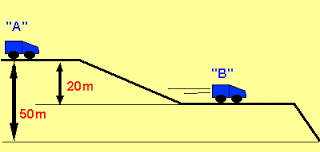
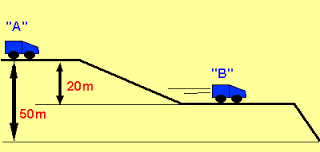
In diagram 2, if the mass of the car is 600 kg, what is the change in potential energy from point A to point B?
411,600 J
294,000
176,400 J
117,600 J
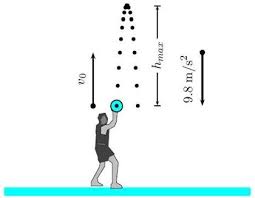
If a 0.5 kg ball is thrown up with 250 J of kinetic energy, how high will it go?
(HINT: At the ball's highest point it has stopped.)
KE = 1/2mv2 , PE = mgh
g = 9.8 m/s2
51 m
25.5 m
12.76 m
31.6 m
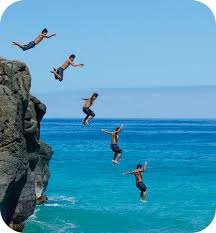
A cliff diver with a mass of 125 kg jumps off a 50m high cliff, how fast will he be traveling just before he hits the water? (His height at this point is 0m)
(HINT: Find PE first. then KE = 1/2mv2
g = 9.8 m/s2
61,250 m/s
980 m/s
31.3 m/s
247.5 m/s

A person with a mass of 60 kg jumps in the air. If the gravitational potential energy is 1,470 J at the highest point, how did they jump?
3.2 m
49 m
24.5 m
2.5 m

The rollercoaster has both PE and KE, but where will it have more PE than KE?
1
2
3
4
5
Where will the roller coaster have the most total mechanical energy? Check all that apply. Neglect friction and air resistance.
1
2
3
4
A book has 200J of potential energy and then it falls onto the floor. After it hits the floor and is sitting still, what happened to the energy?
It has disappeared.
It goes into the floor and book as thermal energy and sound.
It changes to chemical potential energy.
It turns into gravity.

The skateboarder shown above has a potential energy of 2,800 J and kinetic energy of 0J at a height of 4 meters. How much total mechanical energy will she have after 2 seconds? Neglect friction and air resistance.
2000J
1600J
1400J
2800J
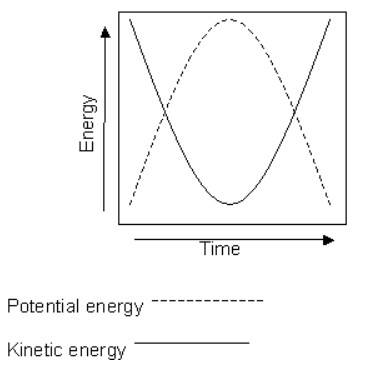
This graph depicts what type of relationship between kinetic and potential energy?
Non-Linear
Linear
Inverse
Poly-atomic

A 5.0 kg object is pushed across the floor and the attached force vs. displacement graph describes the forces and displacement. What is the change in KE of the object? (Hint: Net work = change in kinetic energy)
45 J
30 J
735 J
40 J

