
 Worksheets
Units 8 Apes Water and Terrestrial Pollution
Total questions: 27
Worksheet time: 14mins
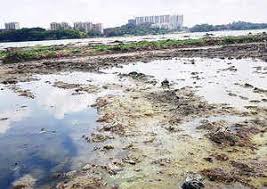
Type of aquatic ecosystem that was once viewed as wasteland and drained by the government
estuaries
coral reefs
open ocean
wetlands
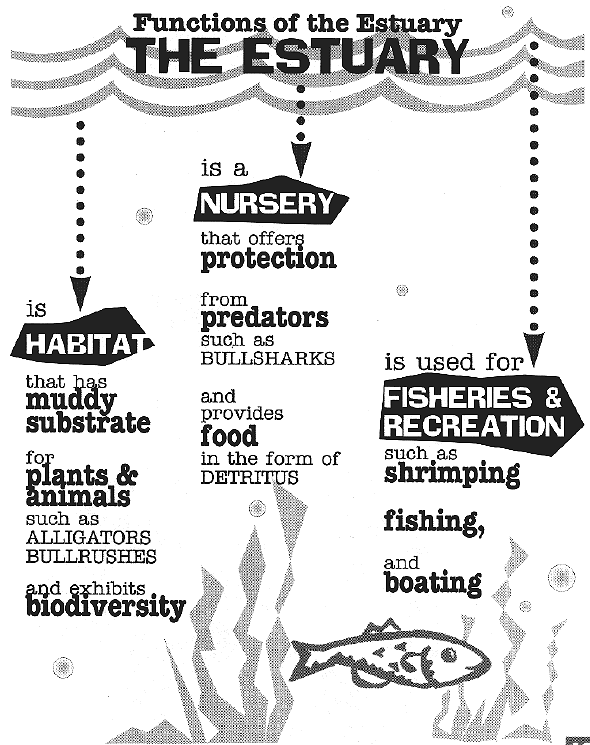
Aquatic ecosystem that serves as a nursery for many species and suffers from pollution from city harbors like the Chesapeake Bay
estuaries
coral reefs
open ocean
wetlands
Requires maximum level of contaminants (MCLs) to meet safety regulations for community tap water supplies
Clean Water Act
Kyoto Protocol
Montreal Protocol
Safe Drinking Water Act
Policies to attain fishable and swimmable waters in the United States
Clean Water Act
Kyoto Protocol
Montreal Protocol
Safe Drinking Water Act
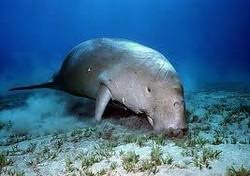
An area where there are cold waters, low oxygen levels, and bottom-dwelling organisms.
benthic zone
littoral zone
limnetic zone
photic zone
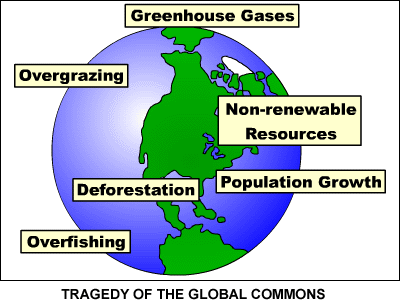
Which of the following is the best illustration of the 'Tragedy of the Commons?'
Agreements among western ranchers to jointly manage common grazing land
Depletion of fishing stocks in the North Atlantic
Removing fish from the ocean up to the maximum yield.
Using sustainable fishing techniques like a pole or spear.
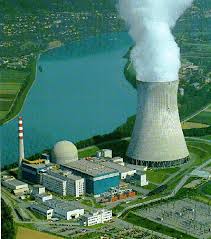
The primary use for water in industry
aquaculture
cooling nuclear power plants
hydroponics
the food and drink industry
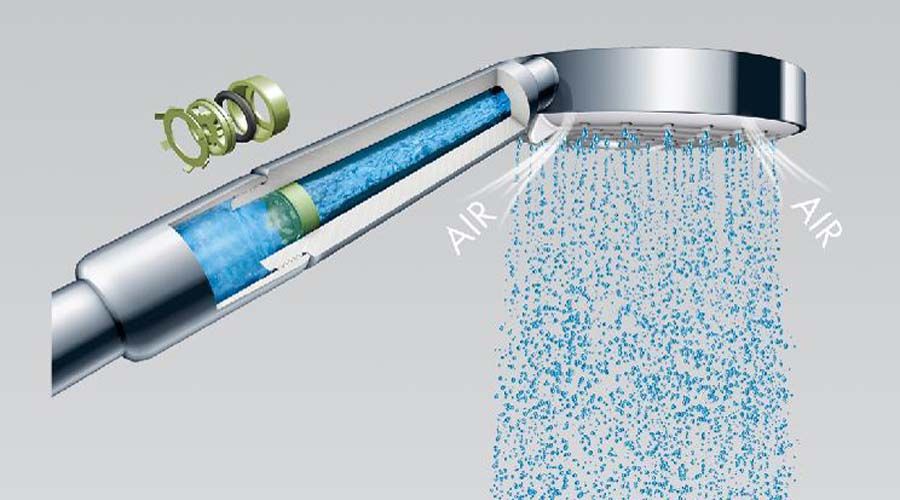
A family of five recently replaced its 7-gallon-per-minute showerheads with water-saving 3-gallon-per-minute showerheads. Each member of the family averages 10 minutes in the shower per day. How many fewer gallons of water will the family use each day with the new showerheads?
40 gallons per day
200 gallons per day
1,000 gallons per day
2,100 gallons per day
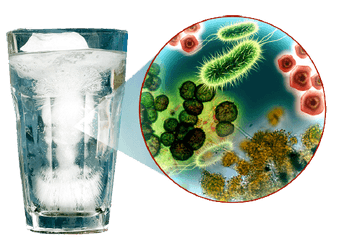
Presence of fecal coliform bacteria suggests that
a factory polluted the river
a nearby treatment plant added chlorine to the waste water
the water is safe for drinking
untreated animal waste contaminated the water
Which of the following describe the relationship between D.O. and B.O.D.?
When D.O. decreases, the B.O.D. decreases
When D.O. decreases, the B.O.D. increases
When B.O.D. decreases, the D.O. decreases
When B.O.D. increases, the D.O. decreases
Which of the following is NOT a non point-source pollutant?
Sediment loading from erosion
Runoff of pesticides from cropland
Animal wastes from feedlots
Fertilizer runoff from urban areas
A sewage treatment plant effluent pipe
Here are the steps during cultural eutrophication. Which answer choice has them in the correct order?
A)Algal bloom
B)Leaching of nutrients from fertilized lands
C) Fish die off
A, B, C
C, B, A
B, A, C
C, A, B
Primary treatment process in a sewage plant removes which of the following?
pathogens
solids
gases
toxins
Older buildings with old plumbing are at high risk for exposure to what?
lead
radon
mercury
arsenic
methane
What carcinogenic compound was formerly used in plastics?
PCBs
DDT
Perchlorates
Radon
Which of the following is a hormone that can affect the development of amphibians?
estrogen
melatonin
keratin
glucogen
The Exxon Valdez oil spill lasted 4 days and a total of 1.08x10^7 gallons of oil. How much oil spilled per day?
4.3x10^5 gallons
4.3x10^6 gallons
2.7x10^5 gallons
2.7x10^6 gallons
Eutrophication is caused by which pollutants? (SELECT ALL THAT APPLY)
phosphates
heavy metals
solid waste
pharmaceuticals
nitrates
Which six (6) pollutants does the Clean Air Act regulate? (CHOOSE ALL THAT APPLY)
Lead & Sulfur Dioxide
Sulfate & Carbon Dioxide
Nitrogen Dioxide & Carbon Monoxide
Particulate matter & tropospheric ozone
Mercury & stratospheric ozone
Where does most of the atmospheric lead come from now that it has been removed from gasoline?
production of lithium batteries
coal burning power plants
production of plastics
production of fertilizers
Catalytic converters remove which pollutants from car emissions? (CHOOSE ALL THAT APPLY)
Nitrogen oxides
Sulfate
Carbon monoxide
Ozone

Mercury and Lead are examples of what?
types of rocks
heavy metals
sea life
types of trees

How can we help prevent water pollution? (There is more than one answer.)
Use less detergents
Do not pour grease down the drain
Allow farm waste to wash off into the lakes.
Use less fertilizers on yards and crops

An example of a waterborne disease is:
Cholera
Giardia
Typhoid
All of the above.

Water pollution occurs when:
Harmful substances enter a water supply
Industries dispose of waste safely and correctly.
Industries cut costs with waste disposal.
None of the above.
Which water quality test will best determine the disruption of photosynthesis caused by cloudy water conditions from sedimentation?
Temperature
Salinity
Dissolved oxygen
pH
Turbidity
Which of the following would most likely cause metabolic stress in aerobic lake organisms?
Variation in conductivity
Dissolved oxygen levels at or below 2 ppm
Influx of dissolved solids
A 1 to 2 -degree change in water temperature
An increase in pH from 6-7

