
NEW
Font size
 Worksheets
Earth's Rotation
Total questions: 46
Worksheet time: 2hrs 1mins

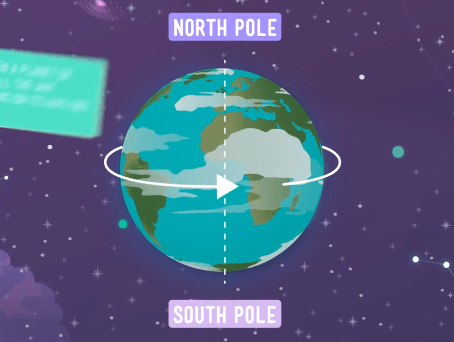
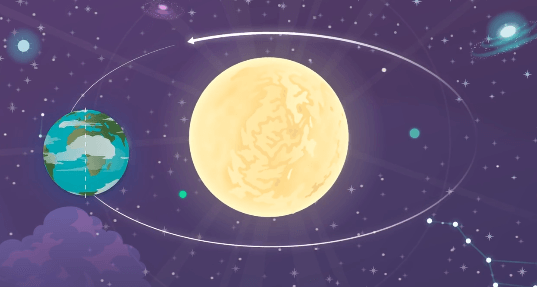


When the sun gets higher in the sky, shadows get ______.
longer
gone
shorter
darker
When the sun gets lower in the sky, shadows get______.
longer
gone
shorter
darker
Shadows are longest during _______.
morning and evening
noon
night
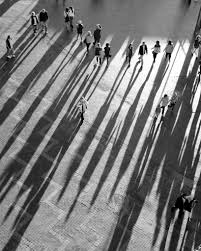
When was this picture most likely taken?
(Hint: think about the shadow's length)
morning or evening
night
noon
afternoon
When an object blocks the path of light, what is formed?
A problem
A fog
A reflection
A shadow
When the Sun is behind you, your shadow is ...
behind you
in front of you
at the side of you
not there
What season is the Sun closest to the Earth?
Winter
Summer
Spring
Fall
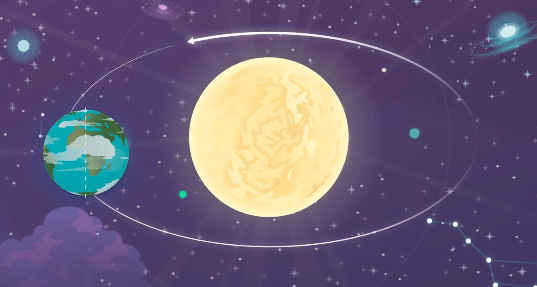
What motion of the Earth takes 365.25 days?
Rotation
Tilting
Revolution
Spinning
A year is 365 days but a revolution takes 365.25. What happens to the extra amount?
It is rounded up because it is closer to 365
It is ignored because it is not important
It is carried into a leap year every four years
The two numbers are not related
When the Sun is behind you, your shadow is ...
behind you
in front of you
at the side of you
not there
When the sun gets higher in the sky, shadows get ______.
longer
gone
shorter
darker
1. What is our main source of light?
sun
moon
trees
Which statement best compares the length of Earth’s rotation to the length of Earth’s revolution?
Rotation is equal to 28 days, and revolution is equal to 365 days.
Rotation is equal to 365 days, and revolution is equal to 28 days.
Rotation is equal to 24 hours, and revolution is equal to 365 days.
Rotation is equal to 28 days, and revolution is equal to 24 hours.
A student learned that the movement of Earth in the solar system causes changes that can be seen on the planet. Which change could be seen on Earth in the time it takes Earth to rotate once on its axis?
day becoming night
winter changing to spring
January changing to February
A new moon becoming a full moon

Four students have drawn and labeled pictures on the chalkboard.
Which drawing best shows the cause of day and night on Earth?
Earth revolving around Sun
Sun orbiting Earth
Moon moving between Earth and Sun
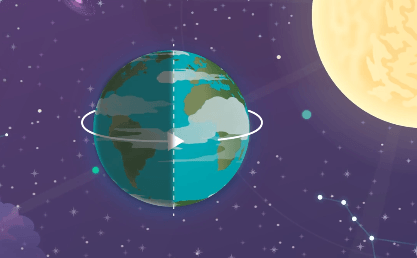
Earth rotating on its axis

Examine the chart above.
Which answer choice best fits in the missing blank?
High and low tides
Gravitational pull
Moon phases
Apparent movement of the Sun across
the sky

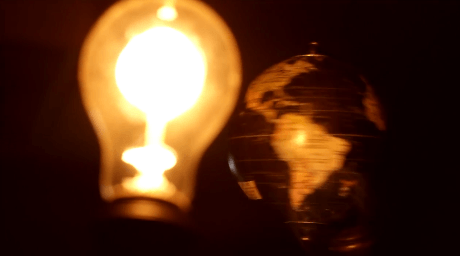
A teacher demonstrates the day and night cycle to a group of students using a globe and a lamp. Students are asked to write a valid conclusion about how the day and night cycle occurs naturally on Earth.
The sun rotates on its axis once approximately every 30 days.
The sun revolves around the Earth approximately every 365
days.
The Earth rotates on its axis once approximately every 24 hours.
The moon revolves around the Earth once approximately every
28 days.

All of the following picture are like Earth’s rotation EXCEPT-
A
B
C
D

Which of the following best demonstrates the motion of rotation?
A
B
C
D

Students used a globe and a light to demonstrate Earth’s rotation. Which answer describes what happens when earth rotates?
One year has gone by.
The moon has taken one month to orbit the Earth
Seasons change.
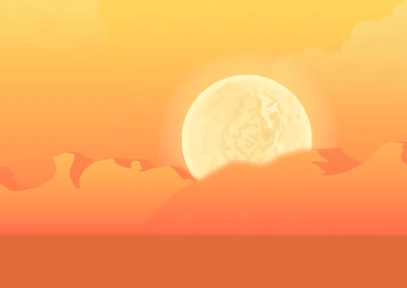
The Sun appears to move across the sky
Which best describes Earth’s rotation?
24 hours, causes changing length of shadows and day and night
24 hours, causes day and night and tides
29 ½ days, causes orbiting around the Sun and day and night
29 ½ days, causes Moon phases and tides

Which of these models represents the reason Earth has day and
night?
A
B
C
D

