
 Worksheets
Laboratory Technician- Practice Knowledge Test
Total questions: 85
Worksheet time: 1hrs 25mins
What is the primary purpose of laboratory investigations when dealing with out-of-specification (OOS) results?
Ensuring Product Quality
Increasing Production Speed
Reducing Costs
Enhancing Aesthetics

Which regulatory bodies require thorough investigations of OOS results?
FDA and EMA
WHO and CDC
UNICEF and UNESCO
NATO and WTO
What is the first step when an OOS result is identified?
Initiation of an investigation
Finalizing the report
Conducting a survey
Ordering new materials
Why is cross-functional collaboration important in laboratory investigations?
It requires collaboration between different departments.
It reduces the need for documentation.
It speeds up the testing process.
It eliminates the need for regulatory compliance.

What is one of the reasons for conducting investigations in laboratories?
Identifying Potential Issues
Increasing Profit Margins
Reducing Employee Turnover
Enhancing Marketing Strategies
What is the primary purpose of data management in a laboratory setting?
To increase manual errors
To ensure accuracy and accessibility
To reduce data integrity
To complicate data storage

Which of the following is a benefit of improved data management?
Increased manual labour
Reduced data integrity
Centralized data storage
Higher error rates
What is a disadvantage of digital LIMS systems?
Lower initial setup costs
Higher initial setup costs
No need for ongoing maintenance
Less secure data management
How do LIMS systems support regulatory compliance?
By ignoring audit trails
By reducing data security
By aligning with industry-specific regulations
By complicating documentation
What is an advantage of paper-based systems?
Enhanced data security
Lower initial costs
Easier data retrieval
Better compliance with standards
What is the primary goal of Root Cause Analysis (RCA)?
To address symptoms of problems
To uncover fundamental issues
To increase production speed
To reduce employee turnover
Which of the following is a tool used in RCA to categorize potential causes of problems?
SWOT Analysis
Ishikawa (Fishbone) Diagram
Gantt Chart
PERT Chart
What technique involves asking "why" multiple times to identify the root cause of a problem?
5 Whys
Six Sigma
Brainstorming
Root Mapping
What is the main focus of continuous improvement?
Large-scale overhauls
Incremental, data-driven changes
Immediate results
Reducing employee involvement
What does the principle of "Creating More Value with Fewer Resources" focus on?
Increasing resource use
Delivering maximum value to customers
Reducing customer satisfaction
Eliminating employee input
Why should improvements be measurable and repeatable?
To ensure they are effective and sustainable
To make them complex and costly
To align with personal goals
To reduce accountability
What is the focus of Lean Thinking in process improvement?
Increasing production speed
Eliminating waste and optimizing processes
Reducing employee workload
Enhancing customer satisfaction
What does the 5S Methodology organize the workplace for?
Employee satisfaction
Efficiency and effectiveness
Cost reduction
Customer engagement
What is the purpose of the PDCA (Plan-Do-Check-Act) process?
To increase sales
To improve customer service
For continuous improvement
For employee training

What is the primary focus of health and safety principles in the workplace?
Increasing productivity
Creating a safe and secure environment
Reducing costs
Enhancing employee skills
What does hazard identification involve?
Implementing safety measures
Recognizing potential sources of harm
Training employees
Conducting risk assessments
What is the Health & Safety at Work Act 1974 (HASWA) primarily concerned with?
Employee benefits
Occupational health and safety
Environmental protection
Product quality
What is the purpose of reporting hazards in a workplace?
To ensure compliance with legal requirements
To inform your employer about potential risks
To track safety performance
To provide first aid
Which of the following is a step in the risk assessment process?
Implement Controls
Conduct Fire Drills
Provide First Aid
Monitor Safety Records
What is the role of evacuation plans in emergency procedures?
To provide first aid
To ensure fire safety
To establish clear routes and assembly points
To track safety performance
Why is keeping health and safety records important?
For promoting safe behaviors
For providing evidence in case of incidents or audits
For conducting regular drills
For ensuring fire safety
How can one stay informed about health and safety regulations?
By conducting fire drills
By participating in regular reviews and training
By implementing controls
By providing first aid
What is the first step in managing risks according to the document?
Identify Hazards
Assess Risks
Implement Controls
Record Findings

What do COSHH regulations aim to manage?
Hazardous substances in the workplace
Fire safety procedures
Electrical safety standards
Workplace ergonomics
What is the purpose of Safety Data Sheets (SDS)?
Provide detailed information about chemicals
List emergency contact numbers
Outline employee responsibilities
Describe company policies
What should be done regularly to ensure risk assessments are up to date?
Review and Update
Ignore and Overlook
Postpone and Delay
Simplify and Reduce
What is the purpose of engineering controls in a laboratory?
To improve productivity
To enhance communication
To minimize risks with ventilation systems and enclosures
To increase storage capacity
What is the first step in responding to a hazardous substance incident at work?
Evacuation
Spill Response
Documentation
Training
Why is documenting risk assessments and safety-related information important?
For entertainment purposes
To ensure compliance, monitoring, and accountability
To reduce paperwork
To increase profits
What is the first step in safe manual handling?
Planning the Lift
Using Proper Techniques
Assessing the Load
Seeking Help
What should you do to avoid neck strain when using a monitor?
Position the monitor below eye level
Position the monitor at eye level
Position the monitor above eye level
Position the monitor to the side
What does DSE stand for in the context of workplace safety?
Display Screen Equipment
Digital Safety Equipment
Desktop Safety Equipment
Device Screen Equipment

What does the Health and Safety at Work Act 1974 (HASWA) require employers to do?
Ensure a safe work environment
Take reasonable care for their own health
Document all incidents
Provide ergonomic workstations
What are some common issues from improper manual handling?
Eye strain and repetitive strain injuries
Back strains, sprains, and musculoskeletal disorders
Headaches and dizziness
Allergic reactions
What is crucial for preventing problems related to manual handling?
Regular breaks
Safe lifting techniques and risk assessment
Incident documentation
Hazardous area classification

What should be documented in risk assessments?
Ergonomic adjustments
Hazards, risks, and control measures
Employee attendance
Training schedules
What does hazardous area classification involve?
Documenting incidents
Analyzing and categorizing environments with explosive atmospheres
Providing ergonomic workstations
Conducting regular breaks
What is the classification for an area where an explosive atmosphere is present continuously or for long periods?
Zone 0
Zone 1
Zone 2
Zone 3
Which safety measure involves ensuring adequate ventilation to disperse flammable substances?
Elimination of Ignition Sources
Use of Appropriate Equipment
Ventilation
Training and Procedures
According to DSEAR, what should employers do to handle dangerous substances safely?
Ignore risks
Assess Risks
Increase production
Reduce staff

What is the responsibility of employees regarding safety procedures?
Avoid following protocols
Ignore safety measures
Following Safety Procedures
Increase risk exposure
What should you do to stay informed about safety measures and emergency procedures?
Ignore training sessions
Engage in training sessions
Avoid reading safety literature
Skip safety drills

What is included in ensuring compliance with laws and regulations in a laboratory setting?
Ignoring waste management
Avoiding chemical handling
Waste management and chemical handling
Disregarding disposal methods
What should be followed to ensure ethical standards in experiments?
Disregarding ethical guidelines
Following ethical guidelines
Ignoring human subjects
Avoiding animal subjects
What is important for proper waste management in a laboratory?
Mixing hazardous and non-hazardous waste
Proper disposal and segregation of waste
Ignoring disposal methods
Avoiding waste segregation
What precautions should Ava take to ensure safety while working with chemicals in the lab?
Disregarding safety instructions
Following proper storage, labeling, and handling procedures
Leaving chemicals unattended
Using random containers for storage

What should be adhered to for organizational safety protocols?
Ignoring personal protective equipment
Adhering to safety procedures and using PPE
Avoiding emergency procedures
Skipping regular safety training
How can you stay informed about new regulations and best practices in laboratory safety?
Ignoring workshops and literature
Keeping up-to-date and participating in safety drills
Avoiding safety drills
Disregarding new regulations
What is the purpose of prompt reporting in a laboratory setting?
To delay addressing safety concerns
To report safety concerns immediately
To ignore safety incidents
To avoid compliance with safety audits
What is the role of safety audits in a laboratory?
To increase the number of safety incidents
To ensure compliance and identify areas for improvement
To avoid inspections
To reduce the frequency of cleaning

Which cleaning agent is used for sterilizing surfaces in a laboratory?
Water
Ethanol
Vinegar
Bleach
What is the importance of calibrating equipment in a laboratory?
To increase the frequency of equipment faults
To ensure accuracy and reliability
To avoid routine checks
To reduce cleaning schedules
What should be done when addressing equipment faults?
Ignore the issue
Report immediately to a supervisor
Delay documentation
Avoid troubleshooting protocols
What should be documented in the reporting and documentation process?
Only the issue
The issue, steps taken, and any parts replaced
The equipment manual
The power source
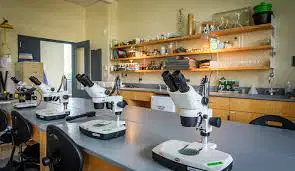
What is the purpose of adhering to policies in equipment maintenance?
To reduce costs
To ensure equipment is maintained in optimal condition
To avoid using manuals
To increase downtime
What do written protocols typically include?
Only the materials needed
Step-by-step procedures and specific conditions
The history of the equipment
The names of the researchers
What are Standard Operating Procedures (SOPs) designed to ensure?
Flexibility in experiments
Consistency and reliability in experimental procedures
Reduced documentation
Increased costs

What should be checked before starting any experiment?
The weather conditions
The availability and condition of equipment and materials
The schedule of the lab technician
The colour of the reagents
What might pre-use checks involve?
Writing a report
Running diagnostic tests or verifying calibration
Contacting the manufacturer
Changing the experiment
What is the purpose of reviewing safety protocols before an experiment?
To understand potential hazards and know the location of safety equipment
To speed up the experiment process
To reduce the cost of materials
To ensure the experiment is completed quickly
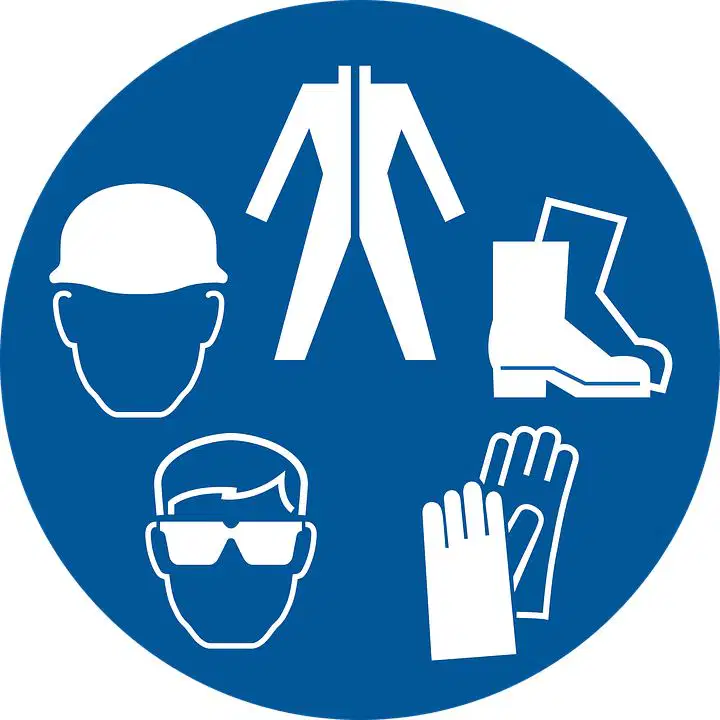
What does PPE stand for in a laboratory setting?
Personal Protective Equipment
Professional Protective Equipment
Public Protective Equipment
Primary Protective Equipment
Why is it important to follow step-by-step execution during experiments?
To ensure accurate measurements and maintain required conditions
To finish the experiment as quickly as possible
To reduce the number of materials used
To avoid using any safety equipment
What should be done with measurements and observations during an experiment?
Record them systematically and note any deviations
Ignore them if they don't match expectations
Only record successful results
Record them randomly
What is the role of LIMS in data recording?
To manage and store data securely, ensuring traceability
To increase the speed of data entry
To reduce the number of experiments needed
To eliminate the need for safety protocols
What do organisational policies outline in a workplace?
Procedures for safe and effective operations
Guidelines for equipment maintenance
Methods for data analysis
Techniques for experiment design
What is included in the role of initiating tasks in a lab?
Setting up experiments and preparing samples
Writing reports and publishing results
Conducting interviews and surveys
Designing new laboratory equipment
What should be done to address unsafe conditions in a lab?
Clean spills and report malfunctioning equipment
Ignore minor issues and focus on major problems
Wait for a supervisor to address the issue
Document the issue without taking action
Why is it important to double-check data in a lab?
To verify results by cross-referencing with established data
To save time and resources
To avoid unnecessary communication
To ensure equipment is functioning
What is one outcome of good communication in the workplace?
Increased costs
Safer work environment
More conflicts
Decreased productivity
What are records used for in documentation?
To standardize forms for data entry
To document daily activities, observations, and experimental data
To detail steps for conducting experiments
To record and analyze experimental data
What is the purpose of guidelines and templates in documentation?
To dictate the format and content of documents
To ensure consistency and compliance with regulatory standards
To review documents for quality control
To analyze experimental data
Why is precision important in documentation?
It helps in formatting documents
It ensures documents are error-free
It is crucial for reproducibility and validation of experiments
It facilitates peer review and collaboration
What does quality control in documentation involve?
Creating guidelines and templates
Reviewing documents to meet quality standards
Dictating the format and content of documents
Ensuring documents are error-free
What is the purpose of using checklists in compliance with regulatory requirements?
To ensure all requirements are met
To create detailed plans
To organize and store documents
To allocate time effectively
How does the document management system help in managing documents?
By setting deadlines
By ensuring easy retrieval and version control
By understanding regulatory requirements
By using checklists

What is one benefit of categorizing documents based on projects, deadlines, and priority levels?
It increases the number of documents.
It helps in quickly locating the required documents.
It reduces the need for digital folders.
It eliminates the need for project management tools.
Why is regular review of a document management system important?
To increase the number of documents.
To ensure it remains efficient and up-to-date.
To eliminate the need for categorization.
To reduce the use of digital folders.
Rohan is working in a company that is trying to improve its sustainability practices. What is one reason why resource efficiency is important in his workplace?
It increases the environmental footprint.
It significantly reduces operational costs.
It mandates inefficient resource use.
It increases waste production.
How does reducing waste and conserving resources impact the environment?
It increases the environmental footprint.
It minimizes the environmental footprint.
It has no impact on the environment.
It maximizes resource consumption.
What is a regulatory reason for ensuring resource efficiency in industries?
To increase operational costs.
To mandate inefficient resource use.
To comply with regulations that mandate efficient resource use.
To increase waste production.

