wayground logo

Free Printable Worksheets

NEW

Font size

S
M
L
XL
Worksheets

Ecology High School Tiling

Total questions: 24

Worksheet time: 16mins

Name
Class
Date
1.
What is the original source of almost all energy in most ecosystems?
a)
carbohydrates
b)
sunlight
c)
water
d)
carbon
2.
An organism that produces its own food supply from inorganic compounds is called a(an)
a)
heterotroph
b)
consumer
c)
detritivore
d)
autotroph
3.

What is an ecological model of the relationships that form a network of complex interactions among organisms in a community from producers to decomposers?

a)

food web

b)

an ecosystem

c)

food chain

d)

a population

4.
What is the term for each step in the transfer of energy and matter within a biological community?
a)
energy path
b)
food web
c)
trophic level
d)
food pyramid
5.

What percentage of energy passes to the next trophic level ____?

a)

10%

b)

1%

c)

100%

d)

90%

6.
What does a food web represent?
a)
All connections of energy flow throughout all organisms in a habitat.
b)
The specific ways that mutualism is carried out.
c)
A single pathway or energy flow between organisms. 
d)
How carnivores get their food. 
7.
What is a Diagram that shows the energy available at each trophic level ?
a)
succession 
b)
cellular respiration
c)
energy pyramid
d)
biochemical cycle
8.
The diagram below shows the cycling of nutrients in an ecosystem.
The removal of which of the following groups would cause an immediate decrease in the amount of energy flowing through the system?
a)
Producers
b)
Consumers
c)
Decomposers
d)
Inorganic nutrients
9.

Which organism converts nitrogen gas into a usable form?

a)

Plants

b)

Bacteria

c)

Cows

d)

Bees

10.

Algal blooms are caused by runoff containing excessive amounts of

a)

nitrogen

b)

oxygen

c)

phosphorus

d)

water

11.

Decomposers break down dead organic matter to recycle __

a)

bacteria

b)

minerals

c)

nitrogen

d)

nutrients

12.
A consumer gets energy by doing what?
a)
Making it themselves.
b)
Breaking down biotic wastes and dead organisms and returning raw materials to the ecosystem.
c)
Soaking it up from the ground.
d)
Feeding on other organisms.
13.
Which of this energy roles is always located at the bottom of an energy pyramid?
a)
Producer
b)
Second-Level Carnivores
c)
Herbivores.
d)
First-Level Consumers.
14.
Which organisms have the most available energy in an energy pyramid?
a)
Producer
b)
Consumer
c)
Decomposer
d)
Scavenger
15.
Where do crickets get their energy?
a)
Cattails
b)
Marsh Grass
c)
Grasshoppers
d)
Shrews
16.
What do the arrows indicate in a food web?
a)
What eats what
b)
Where the energy is being transferred
c)
How the animals are related
17.
If additional snakes are introduced into this ecosystem, there will most likely be an immediate decrease in the _________.  
a)
hawk population
b)
rabbit population
c)
wildflower population
d)
grass population
18.

If frogs were eliminated from this ecosystem, which population would increase?

a)

Crickets

b)

Marsh Grass

c)

Grasshoppers

d)

Shrews

19.
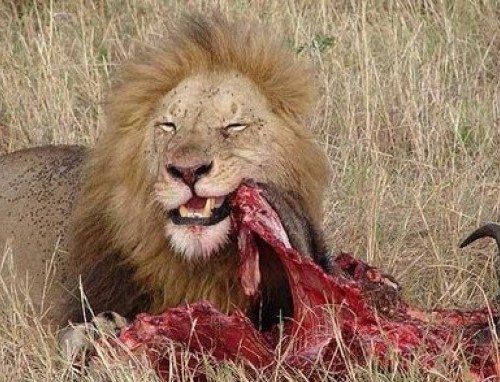
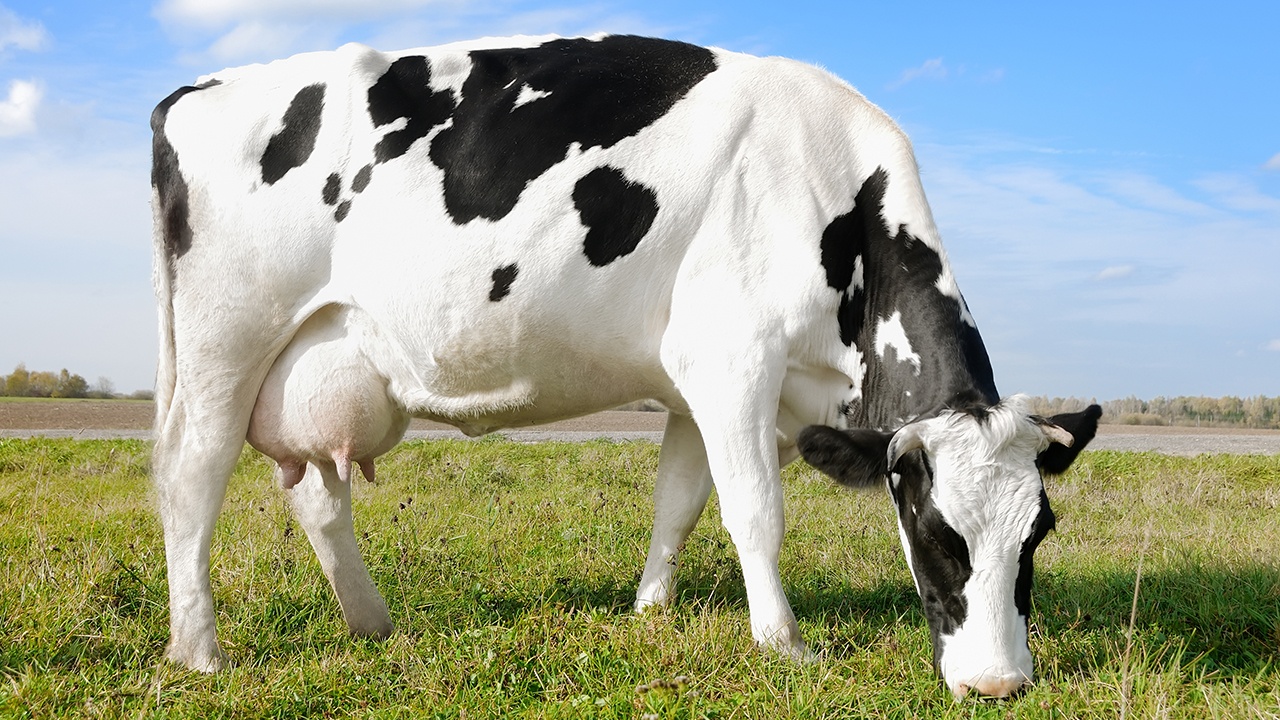
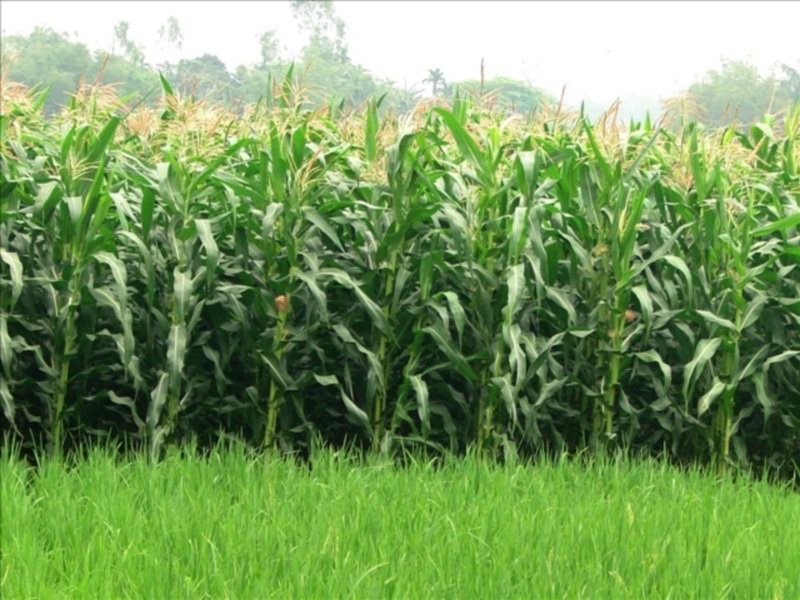
The image provided is an example of a(n):
a)
Carnivore
b)
Herbivore
c)
Producer
d)
Autotroph
20.
The image provided is an example of a(n):
a)
Autotroph
b)
Carnivore
c)
Herbivore
d)
Decomposer
21.
The image provided is an example of a:
a)
Producer
b)
Heterotroph
c)
Consumer
d)
Decomposer
22.
The image provided is an example of a(n):
a)
Producer
b)
Autotroph
c)
Consumer
d)
Insect
23.
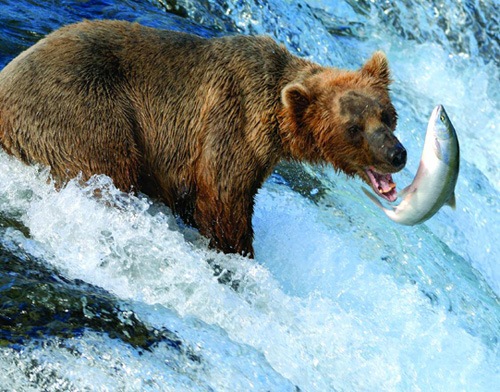
Bears eat fish, insects, plants, seeds, nuts and young elk. They are called __________.
a)
Franivore
b)
Carnivore
c)
Herbivore
d)
Omnivore
24.

What are the organisms that break down dead organic matter to recycle nutrients back into the soil?

a)

Producers

b)

Consumers

c)

Decomposers

d)

Organisms