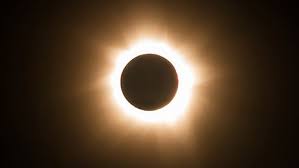
NEW
Font size
 Worksheets
Seasons, Day and Night, Shadows, Moon Phases
Total questions: 35
Worksheet time: 27mins
365.25 days/1 year
1 week
24 hours/1 day

The Earth's orbit is the same as ____________.
its rotation.
its revolution.
Spinning
Rotation of the Earth causes ___________.
Day and Night
Seasons
The Earth to be tilted

If the Earth didn't rotate on its axis. What natural event would be affected?
seasons
eclipses
day and night
moon phases
How long does it take the Earth to revolve once around the sun?
12 hours
24 hours
30 days
365.25 days

If the Earth was not tilted what would the length of day and night be in both the northern and southern hemispheres?
Day and night would be both short in both hemispheres
Day and night would both be long in both hemispheres.
Day and night would be equal in length in both hemispheres.
The length of day and night would not be affected.

Because of Earth's tilt
The lenght of day and night are always the same on Earth.
The lenght of day and night are shorter in winter and longer in Summer
We get older by one year every 365 days (approx.)
Global warming is occuring
The Earth revolves__________________ around the Sun.
Clockwise
Anticlockwise
The moon orbits the Earth in an ____________________ direction
Clockwise
Anticlockwise

Why do we only ever see the one side of the moon?
The moon does not rotate on its axis each time it orbits Earth
The moon rotates once on its axis each time it orbits Earth
Because of Earths rotation
Because the moon does not rotate at all so only one side is ever visible.

Is this
Sooo funny !!!!
Lame
A scientifically correct pun!
I don't get it!
winter solstice
summer solstice
autumn equinox
spring equinox
What would seasons be like if Earth's axis were straight up and down and not tilted?

Which location has the greatest number of hours of daylight?
A
B
C
D
E
The day when daylight hours are almost equal to night time hours is called the ____
Equinox
Solstice
Leap Year
Equator
Why is summer warmer than winter?
The hemisphere experiencing summer is tilted more directly toward the sun
During summer, the entire planet is closer to the sum
The sun radiates more energy during the summer
The earth spins slower on its axis during the summer
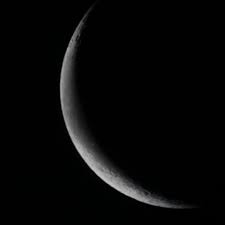
Name this moon phase seen from Australia
waning crescent
waxing crescent
waning gibbous
waxing gibbous
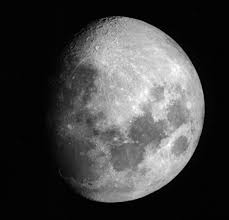
Name the moon phase seen from Australia
waning crescent
waxing crescent
waning gibbous
waxing gibbous
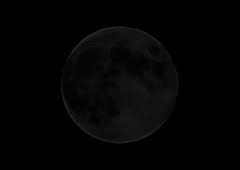
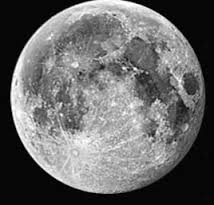

A solar eclipse only happens during a ____ moon.
New
Gibbous
Crescent
Full

Name the eclipse.
solar eclipse
lunar eclipse