
 Worksheets
Bio Membrane Diffusion
Total questions: 28
Worksheet time: 35mins
Name
Class
Date
1.
True or False: The process of diffusion is a movement of molecules from an area of greater concentration to an area of lower concentration.
a)
True
b)
False
2.
Which molecule did not diffuse through the membrane?
a)
Glucose
b)
Indicator
c)
Starch
d)
Water
3.
True or False: Glucose is a small molecule.
a)
True
b)
False
4.

The starch indicator...
a)
Diffuses into to the cell
b)
Diffuses out of the cell
c)
Stays where it is
5.

What did we add to the water in the beaker?
a)
Indicator
b)
Starch
c)
Glucose
d)
Starch and Glucose
6.

What did we add to the inside of the cell when we started the lab?
a)
Indicator
b)
Starch
c)
Glucose
d)
Starch and Glucose
7.

What molecule is shown in the diagram?
a)
Starch
b)
Glucose
c)
Iodine
d)
Water
8.
The cell membrane is called the ____________________ of the cell.
a)
AI
b)
Gatekeeper
c)
Foundation
d)
Blockade
9.
What is the outer covering eukaryotic cells?
a)
Cell wall
b)
Organelle
c)
Pasma membrane
d)
Cell membrane
10.
What is the double layer of molecules surrounding the cell?
a)
carbolipids
b)
hydrauliclipids
c)
phospholipids
d)
hexilipids
11.
Small particles are not able to pass through the cell membrane.
a)
True
b)
False
12.
Osmosis is the movement of _____ across a membrane.
a)
food
b)
energy
c)
oxygen
d)
water
13.
During osmosis
a)
water moves from high to low concentration
b)
large or oddly shaped molecules move across a cell membrane
c)
water moves when energy is used
d)
proteins are built
14.
When both inside and outside of a cell have the same amount of water it is said that the cell has reached a state of
a)
Osmosis
b)
Diffusion
c)
Equilibrium
15.
A person should never drink salty water because their cells would
a)
shrink
b)
expand
16.
A person would never have pure water put into their veins in a hospital because their cells would...
a)
Shrink/Dehydrate
b)
Expand
17.
True/ False: Diffusion is passive.
a)
True
b)
False
18.
Homeostasis is the process through which an organism regulates its internal environment in order to maintain a stable and constant condition.
An example of homeostasis is the regulation of the glucose sugar level in blood through the interaction of the hormones insulin and glucagon.
What happens if the body is unable to maintain its blood glucose level?
An example of homeostasis is the regulation of the glucose sugar level in blood through the interaction of the hormones insulin and glucagon.
What happens if the body is unable to maintain its blood glucose level?
a)
This regulation is unnecessary to the viability of organisms.
b)
The body adapts to a different blood glucose level.
c)
New hormones are created to solve the problem.
d)
Diseases, such as diabetes and hypoglycemia, result.
19.

The cell membrane, or plasma membrane, is made up of a lipid bilayer in which hydrophilic heads face outward and hydrophobic tails face inward.
This arrangement within the cell membrane allows it to
This arrangement within the cell membrane allows it to
a)
fuse with ribosomes during DNA replication.
b)
absorb water from the cytoplasm whenever necessary.
c)
keep out all viral and bacterial infections.
d)
control the movement of substances in and out of the cell.
20.
The inside of the cell turned after 20 minutes ...
a)
Blue black
b)
Red
c)
Amber
d)
Clear
21.
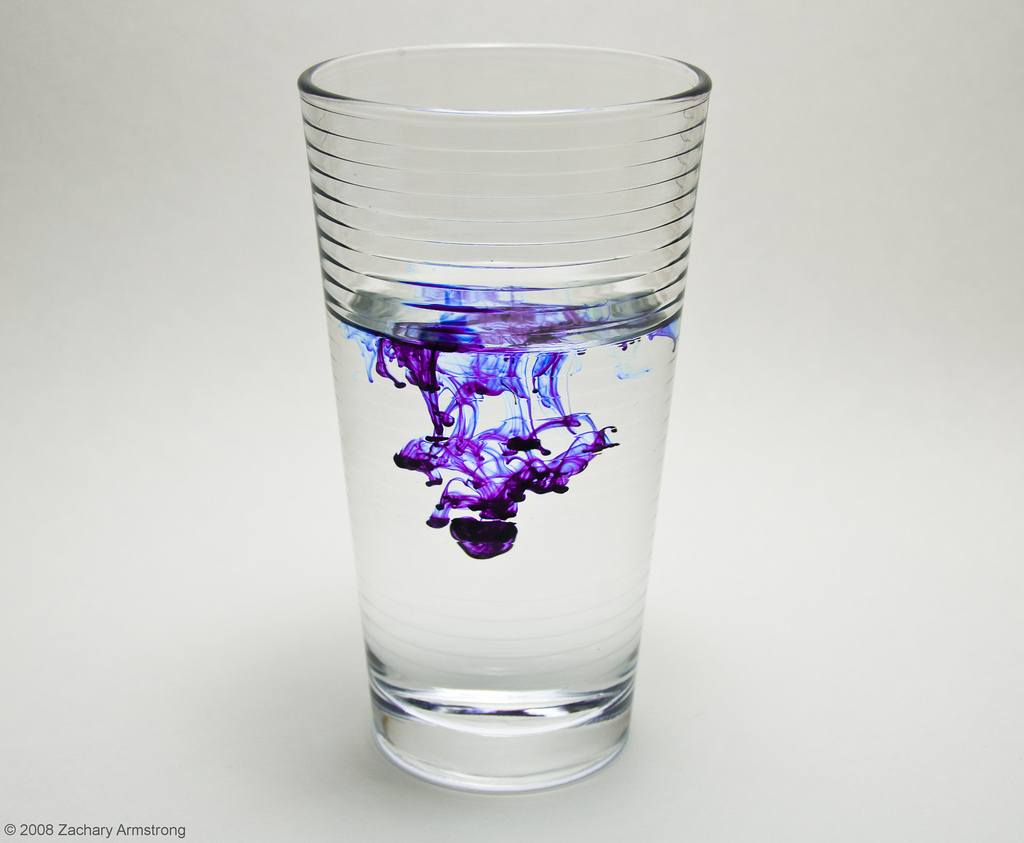
Where is there a low concentration of dye?
a)
at the bottom of cup
b)
in the color
c)
at the top of cup
d)
no concenteraion gradient
22.
An increase in temperature does what to diffusion?
a)
Speeds it up
b)
Slows it down
c)
Has no effect
d)
I wish i knew. Really I do.
23.
If there is more oxygen in the blood than in an organ, which direction would the oxygen move?
a)
Out of the blood
b)
Into the blood
24.

Which diagram best shows the end result of diffusion?
a)
F
b)
G
c)
H
d)
J
25.
What does selectively-permeable mean?
a)
The cell controls what passes in and out of the cell
b)
Nothing gets through
c)
The cell lets only large substances through
26.

The cell below is in a _________ solution.
a)
Hypotonic
b)
Hypertonic
c)
Isotonic
27.

The cell below is in a _____________ solution.
a)
Hypertonic
b)
Hypotonic
c)
Isotonic
28.
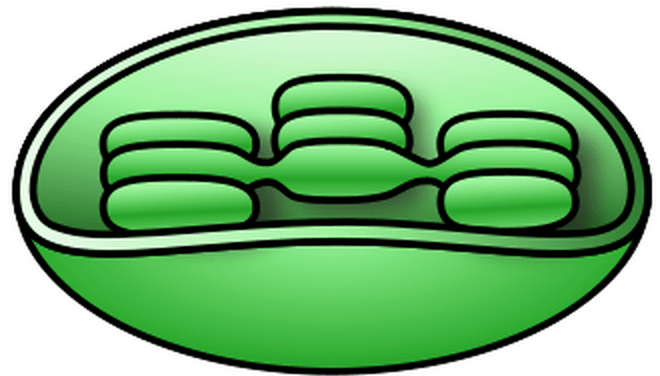
I am only found in a plant cell. What am I?
a)
cell wall
b)
mitochondria
c)
cytoplasm
d)
chloroplast
100 %

