Wayground logo

Free Printable Worksheets

Font size

S
M
L
XL
Worksheets

Symbiosis Ell

Total questions: 27

Worksheet time: 49mins

Name
Class
Date
1.
Cattle egrets forage (feed) in fields among cattle. The egret gets easy access to flying insects stirred up by the cattle, and the cattle don't care if they are there or not.
a)
mutualism
b)
commensalism
c)
competition
d)
parasitism
2.
A relationship between two organisms in which one organism benefits and the other is unharmed...
a)
Mutualism 
b)
Competition
c)
Parasitsm 
d)
Commensalism 
3.

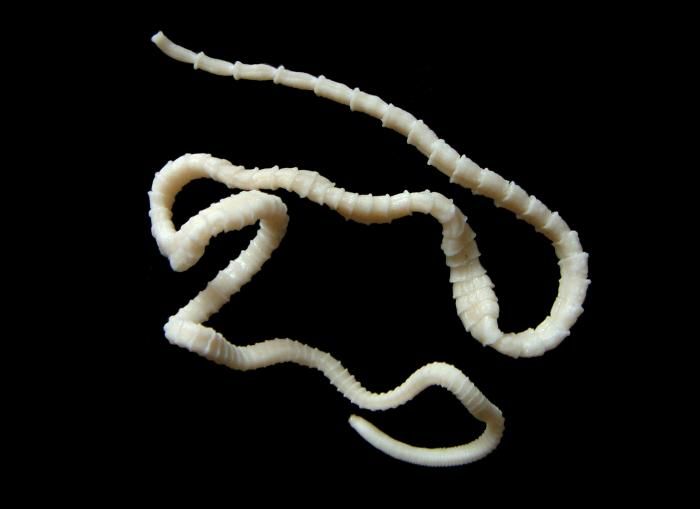
Tapeworms, which are flat, segmented worms, live in the intestines of animals and make them sick. What is this type of relationship is this?

a)

mutualism

b)

parasitism

c)

commensalism

d)

competition

4.
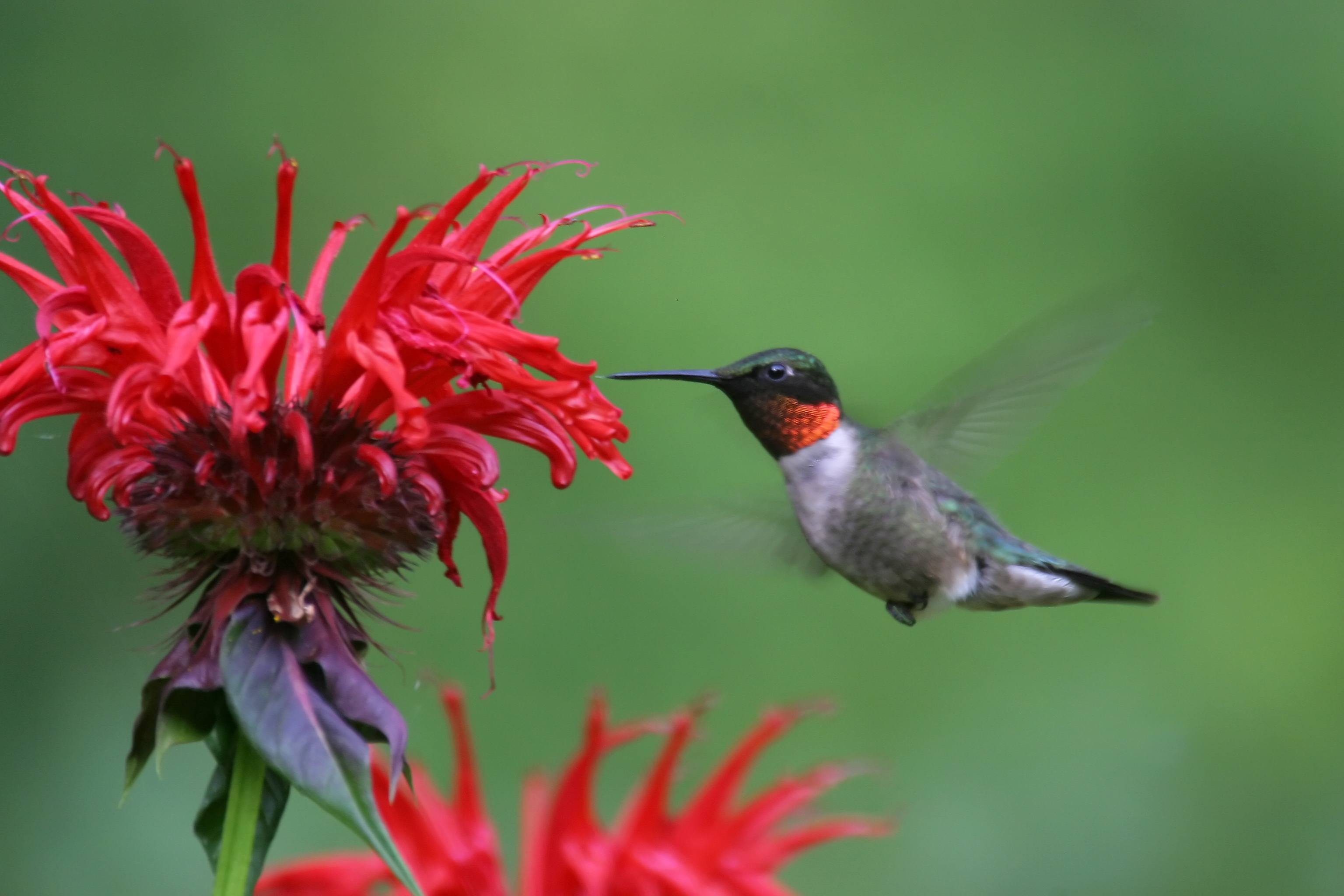
What type of symbiosis?  Hummingbirds feed on nectar from flowers.  The flowers are pollinated by hummingbirds as they move from flower to flower.
a)
commensalism
b)
mutualism
c)
parasitism
d)
predation
5.
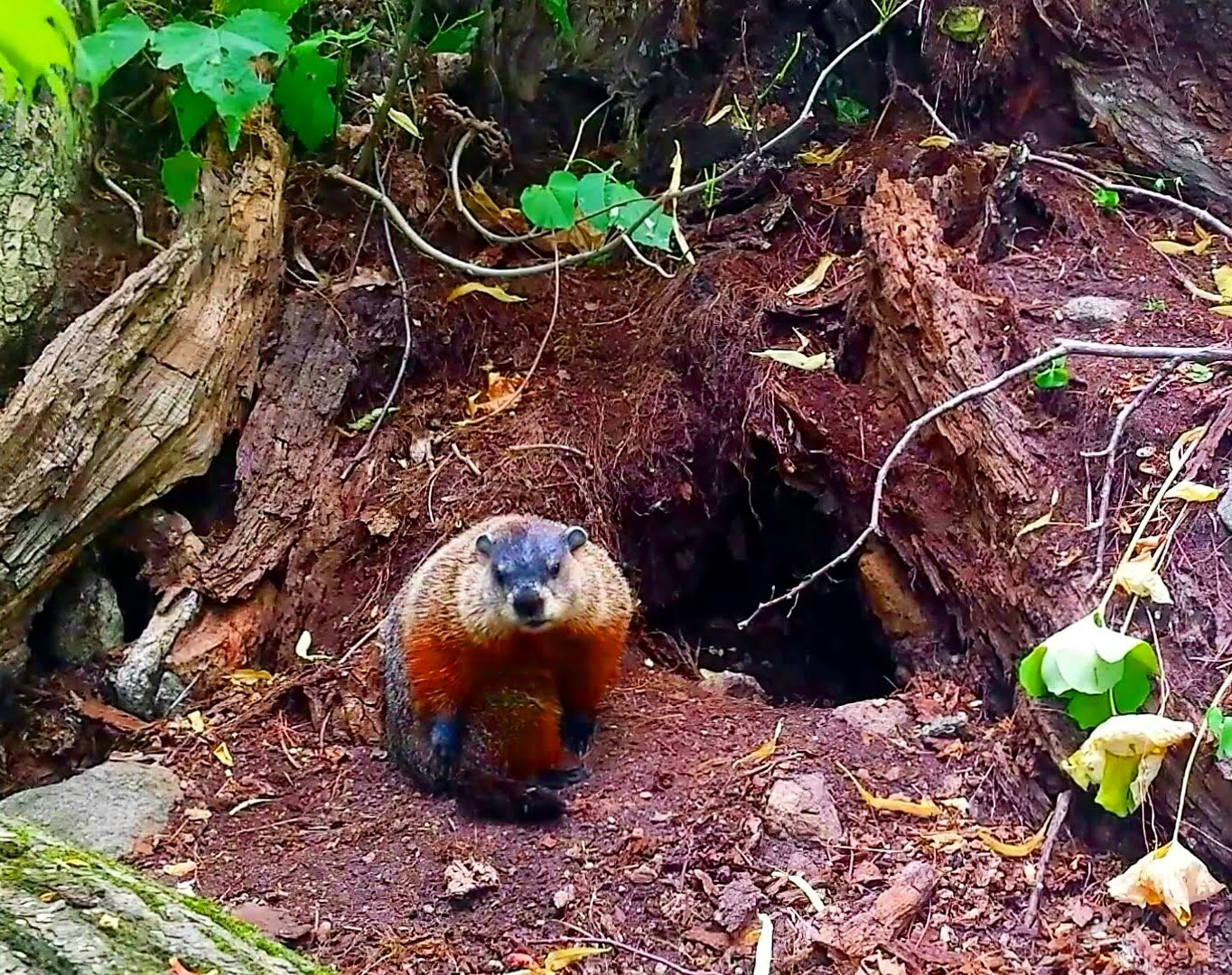
What type of symbiosis?  Skunks often live in burrows that have been dug and abandoned by woodchucks.  
a)
commensalism
b)
mutualism
c)
parasitism
d)
predation
6.

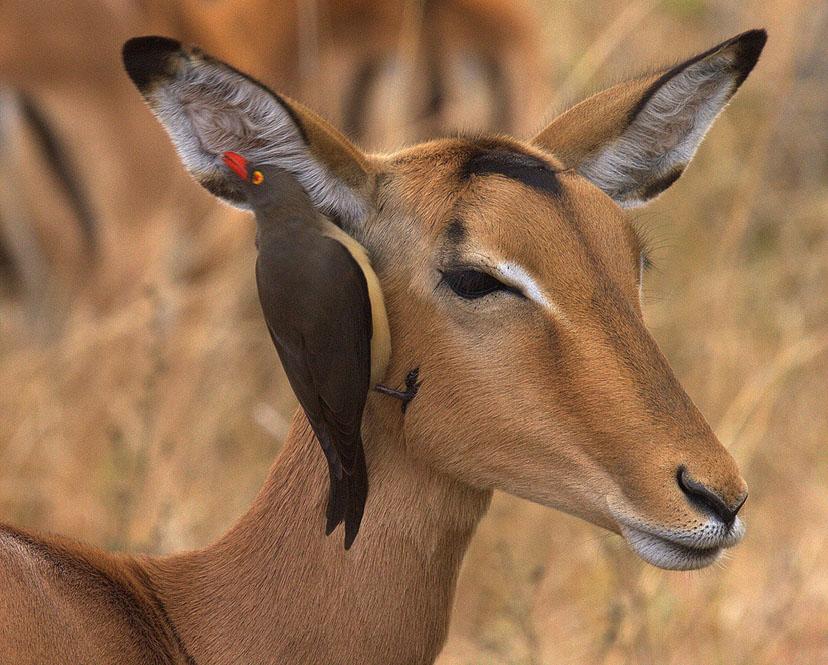
Certain birds will live on an animal and eat the parasites that infest them. This is an example of _______.

a)

commensalism

b)

mutualism

c)

neutralism

d)

competition

7.
A relationship between two organisms in which both organisms benefit. 
a)
Mutualism 
b)
Competition
c)
Parasitsm 
d)
Commensalism 
8.
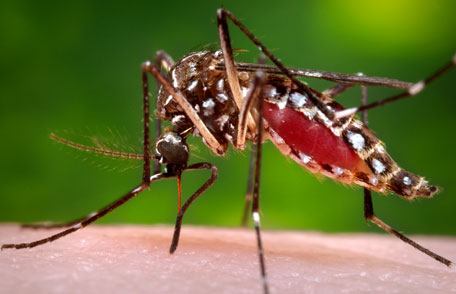
When a mosquito bites you, you are the __________ and the mosquito is the  ____________.
a)
host, hostess
b)
parasite, host
c)
host, parasite
d)
prey, predator
9.

Aphids are tiny insects that live on and eat the leaves of plants, removing vital nutrients from the plants.

a)

Predation

b)

Parasitism

c)

Commensalism

d)

Mutualism

10.

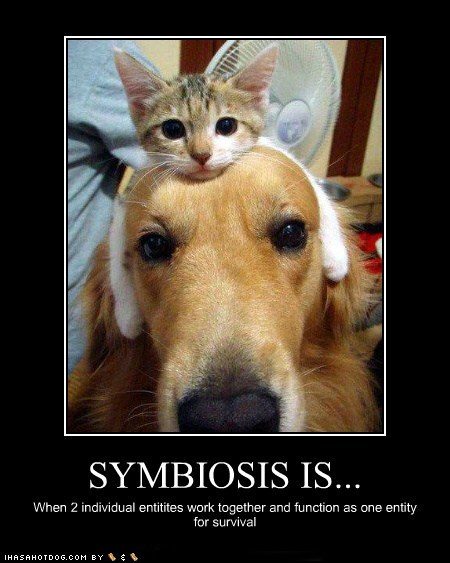
A relationship in which two species live closely together.

a)

resource

b)

mutualism

c)

succession

d)

symbiosis

11.
How many types of symbiosis are there?
a)
5
b)
7
c)
3
d)
If you pick this you're silly
1000
12.
What best describes the relationship between bees and flowering plants.
a)
mutualism
b)
parasitism
c)
neutralism
d)
commensalism
13.
What type of symbiosis is this?
*
Hermit crabs find shells left by snails that have died and move in.
*
  Snails die and leave behind their shells.
a)
commensalism
b)
mutualism
c)
parasitism
d)
predation
14.
Barnacles create home sites by attaching themselves to whales. This neither harms nor benefits the whales.  What kind of relationship is this?
a)
Mutualism 
b)
Parasitism 
c)
Commensalism 
15.
A relationship between two organisms in which both organisms benefit. 
a)
Mutualism 
b)
Competition
c)
Parasitsm 
d)
Commensalism 
16.
A relationship between two organisms in which one organism benefits and the other is unharmed
a)
Mutualism 
b)
Competition
c)
Parasitsm 
d)
Commensalism 
17.
A tick and a dog have this type of relationship.
a)
mutualism
b)
commensalism
c)
neutralism
d)
parasitism
18.
A frog eats a fly. The frog and fly are demonstrating ________.
a)
mutualism
b)
competition
c)
predator/prey
d)
parasitism
19.
A relationship between two species where one benefits while the other is harmed.
a)
Mutualism
b)
Commensalism
c)
Parasitism
d)
Naturalism
20.

A mountain lion eating deer. This demonstrates ____________.

a)

mutualism

b)

competition

c)

predator/prey

d)

parasitism

21.

Lice on a person's head demonstrates ____________.

a)

mutualism

b)

competition

c)

predator/prey

d)

parasitism

22.

Ladybugs eating aphids demonstrate ____________.

a)

mutualism

b)

competition

c)

predator/prey

d)

parasitism

23.

Deer and elk browsing (looking to eat) shrubs in the winter demonstrate ____________.

a)

mutualism

b)

competition

c)

predator/prey

d)

parasitism

24.

Vultures eating the remains of an animal killed by a mountain lion demonstrate ____________.

a)

mutualism

b)

competition

c)

parasitism

d)

commensalism

25.

Roundworms living in the intestines of dogs demonstrate ____________.

a)

mutualism

b)

competition

c)

parasitism

d)

commensalism

26.

Gophers digging tunnels and exposing insects to nearby birds demonstrate ____________.

a)

mutualism

b)

competition

c)

parasitism

d)

commensalism

27.

Bees gathering nectar and pollinating flowers demonstrate ____________.

a)

mutualism

b)

competition

c)

parasitism

d)

commensalism