
 Worksheets
Body Language and Communication
Total questions: 50
Worksheet time: 27mins

What does this body language indicate?
Shame
Sadness
Confidence
Nervousness

Which of the following eye movements indicates that a person is lying?
Looking left
Looking up
Looking right
None of the above

What does this body language cue indicate?
Happiness
Confidence
Fear
Excitement
Which of the following pictures best portrays the disgust emotion?


Is this a genuine smile?
Yes
No

Putting objects in the mouth (such as pens, eyeglasses, fingernails) can be a sign of anxiety.
True
False

Crossed arms always indicate someone who is closed-off.
True
False
Which area of the body does someone tipically touch to indicate sincerity? (Choose one)


What does their body language likely indicate?
Frustration
Fear
Tiredness
Shame
All of the above
Eye contact is an important part of communication, and a lack of it can imply deception. To avoid staring at somebody, how can you naturally strike a balance?
When breaking eye contact, look to the left or the right.
Look down at the floor every 30 seconds or so.
Look just past the person whose gaze you can no longer hold.

Using your hands while you talk can communicate a range of meanings, from enthusiasm and passion, to a lack of control. What would calm, rounded hand gestures say to you?
"I think I'm in trouble"
"I'm open and clear"
"I'm feeling over the moon"
Which of these signals suggest the person you are speaking to might not be telling the whole truth?
They make steady eye contact.
They make frequent hand to face touches, including attempts to cover their mouth.
They answer you fairly promptly.
True or False: Communication is more than just talking face to face?
True
False
What is Body Language?
Postures, gestures, and facial expressions.
The exchange of information through the use of words.
Your words say one thing but your body language say another.
Speak from your point of view.
Good listening skills include what?
Smiling and waving at people
Yelling loud at people
Writing in slang.
None the above.
Hearing, thinking about and responding to another person’s message is
“I” Message
Active Listening
Body Language
Mixed Messages
When the person receiving a message interprets it the same way the sender meant it, it is __________________ communication.
good
misunderstood
effective
confusing
Our facial expressions, tone of voice, movement, appearance, eye contact, gestures, and posture are called _____________________.
verbal communication
nonverbal communication
True or False?
Sometimes our body language can send a message that is different from what we meant to say.
True
False
What is a misunderstanding?
when two people agree on something
when someone takes something in a way that it was not meant to be taken
a fight
a disagreement
What is one way to avoid a misunderstanding?
send the same verbal and nonverbal message
be specific
ask questions
all of the above
Active listening involves concentrating on what the speaker is saying.
True
False
When is it possible to NOT communicate.
When you are silent.
Sitting with your head down.
Standing in front of a door.
Never.
Which is a communication DON'T?
Speak loudly
Give appropriate feedback
Eye contact
Be open minded
Which is a communication DO?
Speak loudly
Laugh at people
Assume responsibility in dialogue
Blame
Which one is an effictive communication criteria?
Clear message
Laughing
Eyes Closed
None of the above
The process of exchanging thoughts and messages between two or more people is the definition of...
Eye Contact
Communication
Conflict
Communion
What body language shows you are listening?
Turning away from speaker
Nodding and making eye contact
Looking out the window
Which of following is a negative body language to use when speaking?
Fold your arms or cross your legs
Stand behind a lecture and keep your body hidden
Keep your arms open and use gestures
Do not make eye contact

Which one is not body language?
Hand gestures
Facial Expressions
Eye Contact
Ponderance

An example of verbal communication is:
Phone conversation
Posture
Eye contact
Writing an email

An example of non-verbal communication is:
Sleeping
Face-to-face conversation
Telephone conversation
Eye Contact
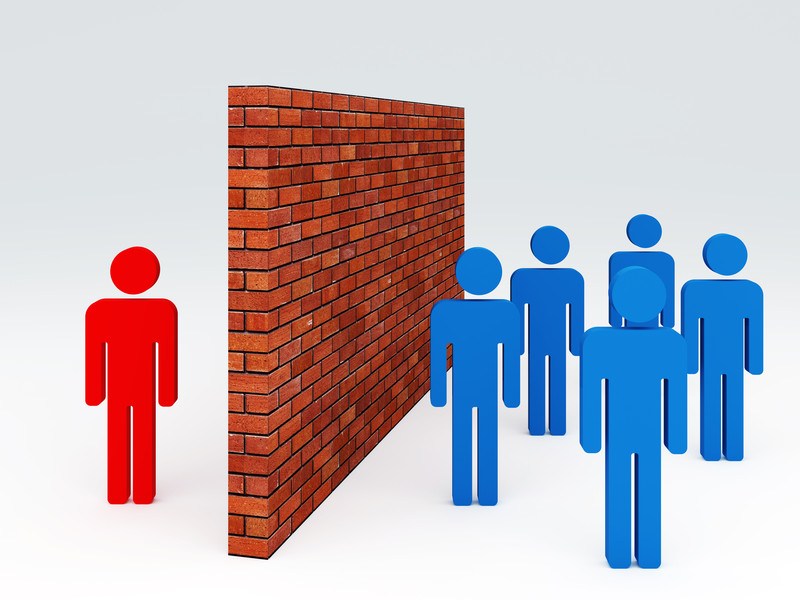
Which of the following is a barrier to communication?
Message is not clear
Not listening
Lack of language skills
All of the above

Which is NOT important in effective communication?
Wearing a red tie
Making eye contact
Using appropriate body language
Using the appropriate tone

All of the following are examples of active listening, EXCEPT:
Showing interest in the message
Staring out the window
Making eye contact with the messenger
Not interrupting the messenger

Good customer service is the ability of an organisation to constantly and consistently exceed:
The speed of sound
The customer's expectations
The rainfall in South America
Their competitor's sales

True or False: Communication skills are vital to individuals and businesses
True
False

A good, active listener…
Remains quiet while listening
Interrupts the speaker
Answers his/her cell phone during the presentation
Makes fun of the speaker

Which of the following is NOT an example of proper telephone etiquette in the workplace?
Helping the caller even if it isn't your job
Identifying yourself and your company when answering a call
Rushing the caller to get off the phone
Answering the phone before the third ring
We communicate by:
Speech
Visual
body language
writing
all
Why do we need to communicate?
Speak a foreign language
Share information
Cannot hear or see
What is verbal communication?
gestures, facial expressions, and body positions
use of language

