
 Worksheets
Biodiversity of Life on Earth
Total questions: 25
Worksheet time: 25mins
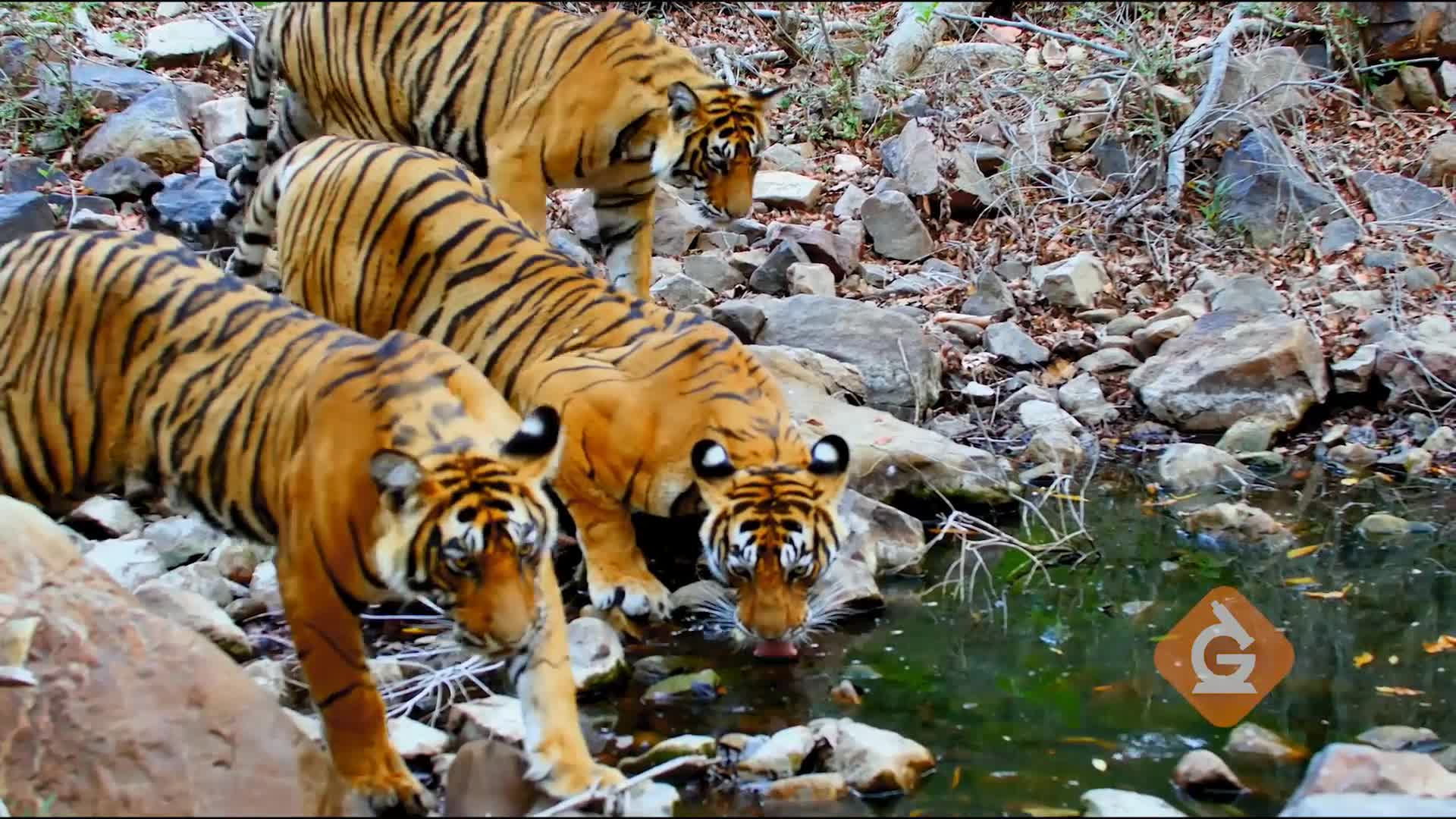
______ is the measurement of how many different plants and animals are in an area.
Variety
Biodiversity
Selection
Living things
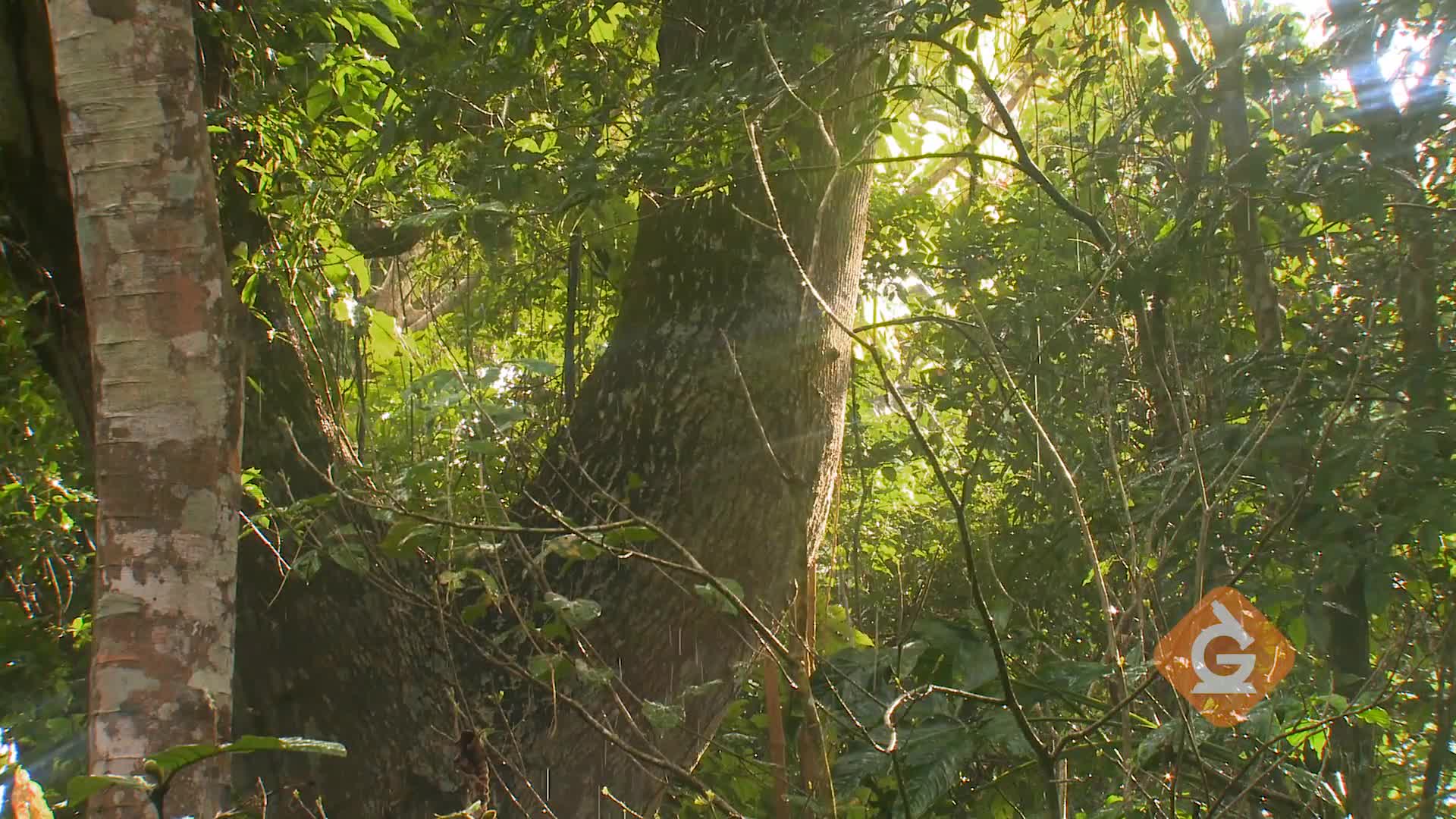
This habitat is home to more than 40% of all living things on Earth.
rainforest
backyard
desert
arctic
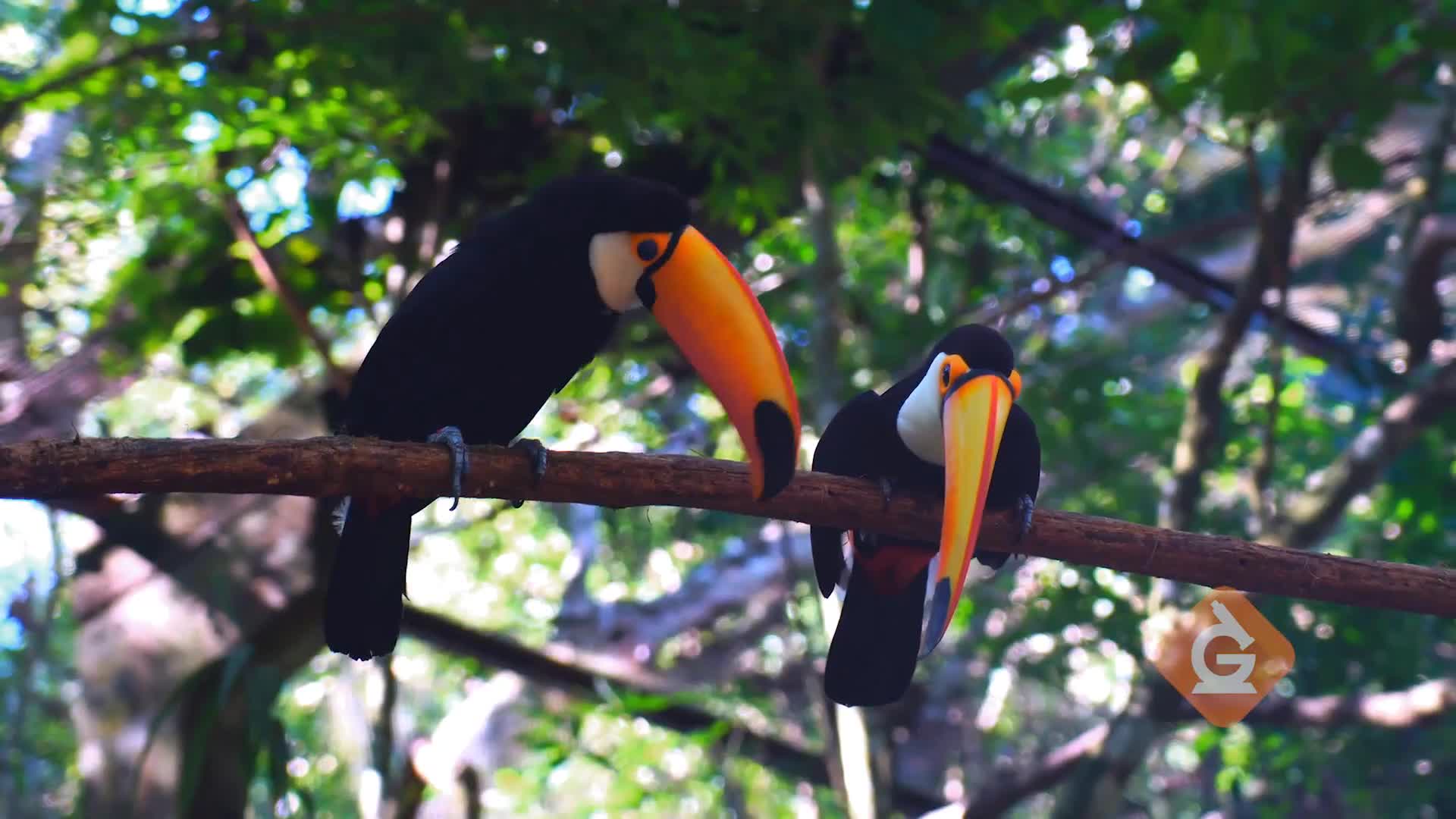
When lots of different plants and animals live in an area, the biodiversity is __________.
high
medium
low
colorful

A biodiversity ______ is when you count the number of plants and animals in an area.
test
drawing
quiz
survey
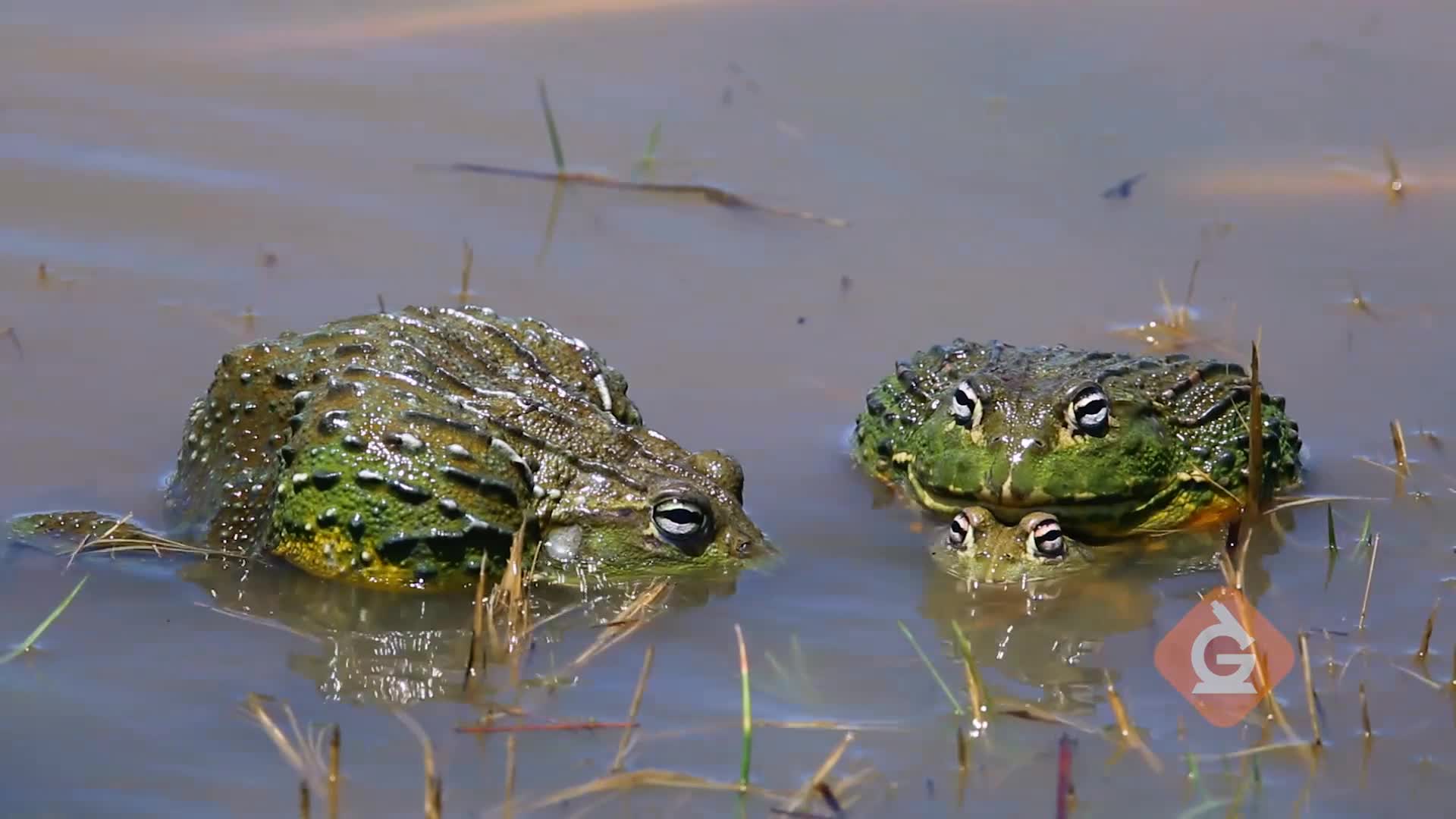
This environment is home to many fish, birds and frogs.
arctic
pond
desert
grasslands
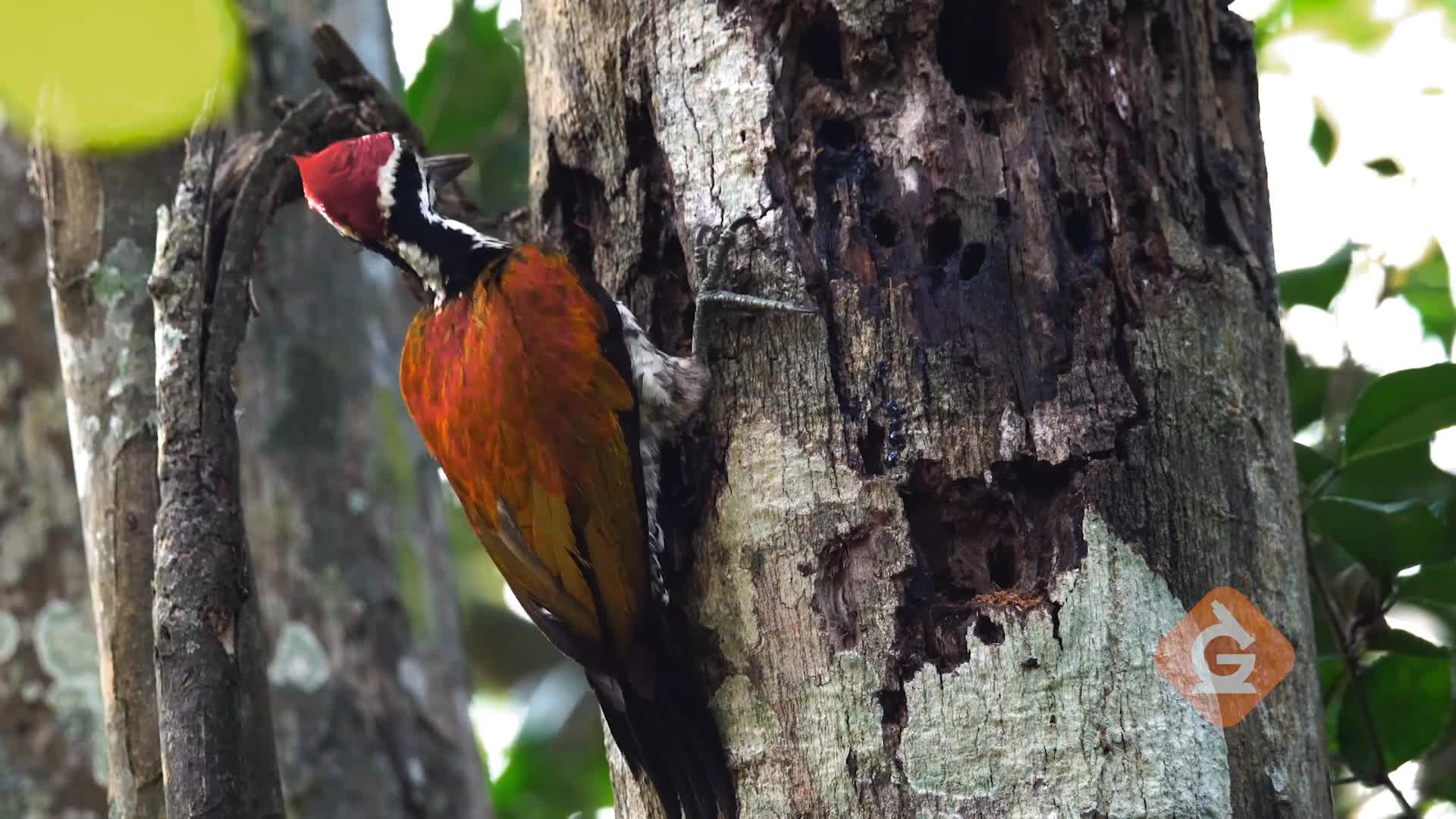
Even your _________ can have a lot of biodiversity.
room
backyard
aquarium
lunch box

Where do many desert animals live?
in trees
underground
in the water
in the air

Which habitat exhibits the greatest biodiversity?
A habitat with 15 different species with about 300 individuals each
A habitat with 10 different species with about 75 individuals each
A habitat with 4 different species with about 150 individuals each
A habitat with only one species with about 2000 individual
Why is biodiversity so important?
Because all species depend on each other to survive, so if one becomes extinct another species that relies on it could go extinct as well
Because it’s better to have only one variation of each species.
Because it better to only have a few species on Earth.
Honestly, I have no idea what biodiversity is!
What is biodiversity?
The variety of life in the world or in a particular habitat or ecosystem.
The number of species in a given area.
The genetic variation within a species.
The number of ecosystems in a region.
Which of the following is a benefit of biodiversity?
Increased ecosystem productivity.
Decreased genetic variation.
Increased vulnerability to diseases.
Decreased resilience to environmental changes.
What is the primary cause of biodiversity loss?
Habitat destruction.
Increased genetic diversity.
Natural selection.
Climate stability.
Which of the following is an example of a biodiversity hotspot?
Amazon Rainforest.
Sahara Desert.
Antarctic Ice Sheet.
Gobi Desert.
How does biodiversity contribute to ecosystem stability?
By providing a variety of species that can adapt to changes.
By reducing the number of species interactions.
By increasing the dominance of a single species.
By limiting the availability of resources.
What role do keystone species play in biodiversity?
They have a disproportionately large impact on their environment.
They are the most abundant species in an ecosystem.
They are the least important species in an ecosystem.
They are species that are not affected by environmental changes.
Which of the following practices can help conserve biodiversity?
Establishing protected areas.
Increasing deforestation.
Promoting monoculture farming.
Encouraging urban sprawl.
What is the relationship between biodiversity and ecosystem services?
Biodiversity enhances ecosystem services.
Biodiversity decreases ecosystem services.
Biodiversity has no effect on ecosystem services.
Biodiversity is unrelated to ecosystem services.
Which of the following is a threat to marine biodiversity?
Overfishing.
Sustainable fishing practices.
Marine protected areas.
Coral reef restoration.
How does climate change affect biodiversity?
By altering habitats and causing species migration.
By stabilizing global temperatures.
By increasing the number of species.
By reducing the frequency of natural disasters.
What is the significance of genetic diversity in biodiversity?
It allows species to adapt to changing environments.
It decreases the survival rate of species.
It limits the potential for evolution.
It reduces the number of species in an ecosystem.
Which of the following is an example of an invasive species affecting biodiversity?
Kudzu in the southeastern United States.
Bald eagles in Alaska.
Kangaroos in Australia.
Penguins in Antarctica.
What is the impact of pollution on biodiversity?
It can lead to habitat degradation and species loss.
It increases the number of species in an area.
It has no effect on ecosystems.
It enhances genetic diversity.
How do human activities influence biodiversity?
Through habitat destruction and pollution.
By increasing natural habitats.
By promoting species conservation.
By reducing resource consumption.
What is the role of biodiversity in food security?
It provides a variety of crops and livestock for consumption.
It limits the availability of food resources.
It decreases the nutritional value of food.
It reduces the number of food sources.
Which of the following is a method to measure biodiversity?
Species richness.
Soil pH.
Air temperature.
Water salinity.

