
NEW
Font size
 Worksheets
Classification Biology
Total questions: 25
Worksheet time: 25mins
Which is missing: kingdom, ___, class, order, family, genus, species.
Mollusc
Phylum
Domain
Cnidaria
Which is missing: kingdom, phylum, ___, order, family, genus, species.
Ctenophora
Clown fish
Coral
Class
Which are missing: kingdom, phylum, class, ___, family, ____, species.
Order and genus
Order and species
Genus and class
Over and genus
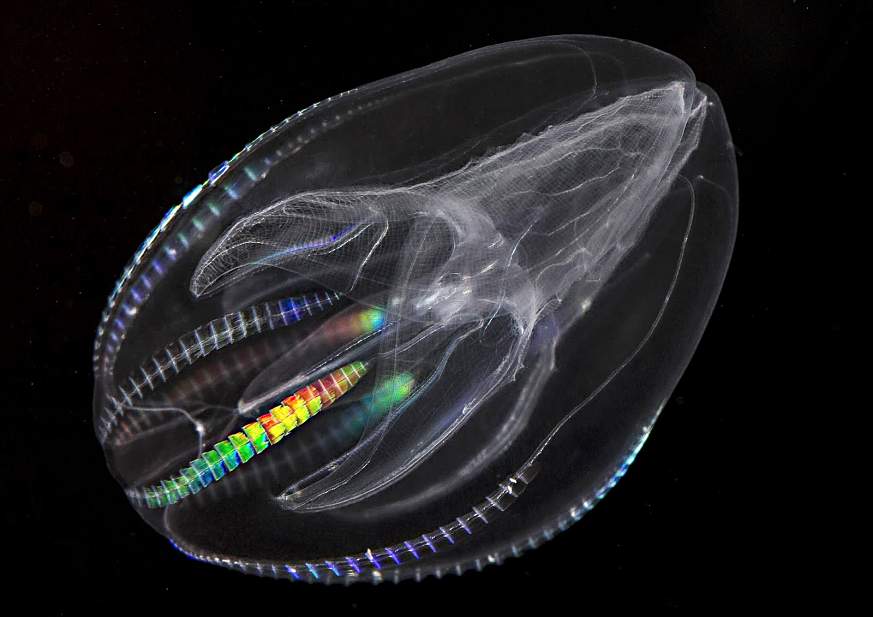
What phylum do comb jellies belong in?
Cnidaria
Porifera
Chordata
Ctenophora

Which phylum does an octopus belong to?
Porifera
Cnidaria
Mollusca
Ctenophora

Which phylum contains some of the most primative organisms that are usually toxic? These include sea sponges
Sponges
Porifera
Cnidaria
Bony fish
Which phylum: segmented limbs, exoskeleton.
Arthropoda
Cnidaria
Mollusca
Aves
Which pylum: stinging cells, many have zoozanthellae living symbiotically
Cnidaria
Echinodermata
Chordata
Mollusca

Which phylum does a shark belong to?
Reptillia
Chondrichthyes
Chordata
Baby shark
Which phylum contains organisms that move using a water vascular system?
Echinodermata
Chordata
Mollusca
Sea stars
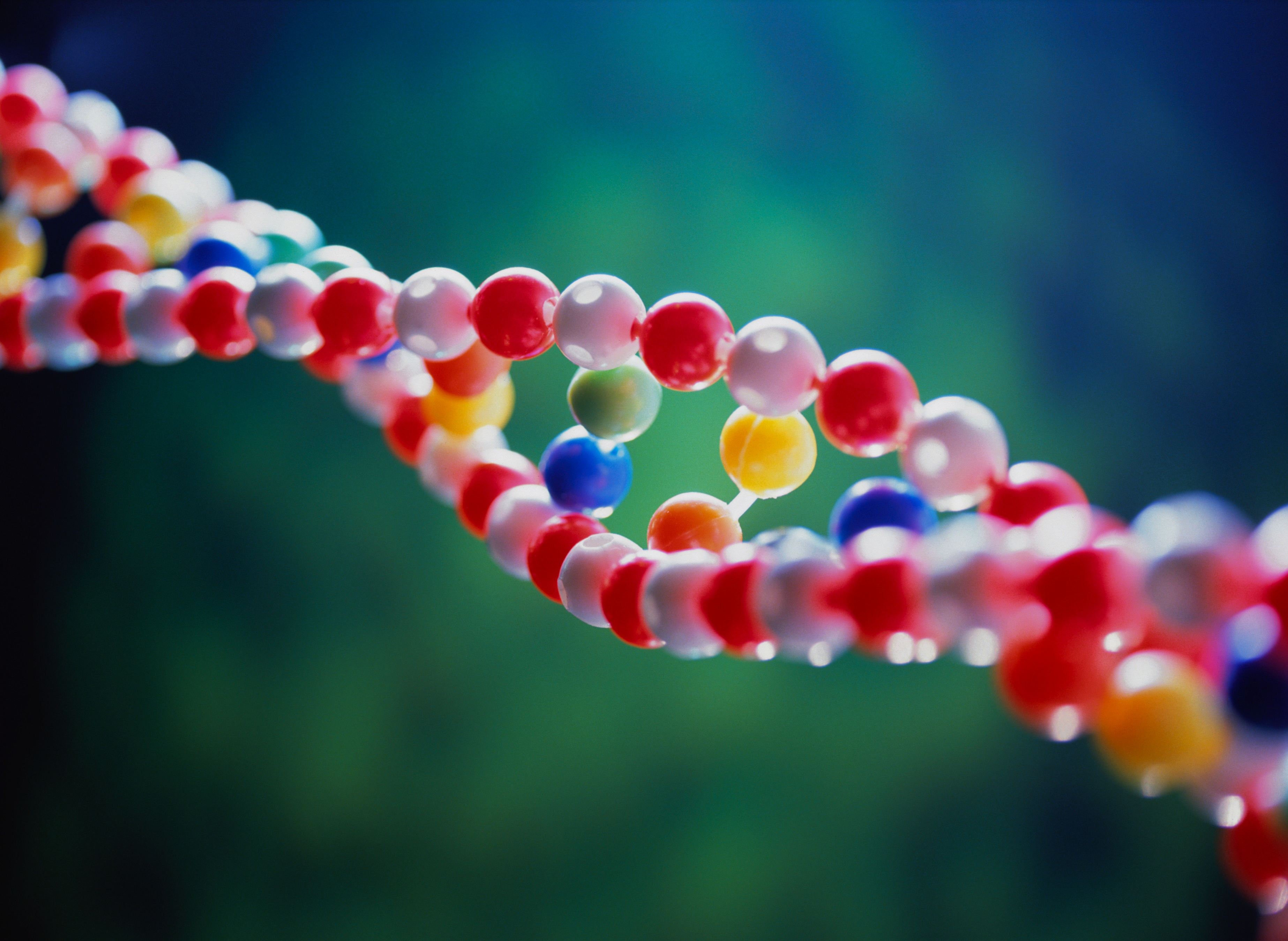
Why is DNA important?
it is very small and very complicated
it's in everything
it serves as the blueprint for traits of all living things
because we eat it every day for energy

What determines the code, or information, of a DNA molecule?
the shape (structure) of the nitrogen bases
the order (sequence) of the nitrogen bases
the color of the nitrogen bases
the frequency (number) of nitrogen bases

Which of the following best describes a DNA molecule?
double helix
contains ribose
made of amino acids
contains Uracil
Which of the following units are repeatedly joined together to form a strand of DNA? (This is the MONOMER of DNA.)
amino acids
nucleotides
fatty acids
polysaccharides

Name this structure
double helix
nucelotide
twisted ladder
hydrogen bond
Which organelle is DNA usually found in?
cell membrane
vacuole
chloroplast
nucleus

In a molecule of double-stranded DNA, the amount of Adenine present is always equal to the amount of
cytosine
guanine
thymine
uracil
Which of the following units are repeatedly joined together to form a strand of DNA?
nucleotides
amino acids
fatty acids
polysaccharides
The DNA is found in the nucleus of what type of organisms?
Bacteria
Eukaryotes
Prokaryotes
Viruses

DNA codes for...
cholesterol
proteins
fatty acids
carbohydrates
DNA is a polymer made of monomers called
Nucleotides
Proteins
Amino Acids
Lipids
Which 2 molecules form the sides (backbone) of the DNA ladder?
deoxyribose sugar and adenine
deoxyribose sugar and a hydrogen bond
deoxyribose sugar and the nucleus
deoxyribose sugar and phosphate
Which 2 molecules forms the sides (backbone) of the DNA ladder?
deoxyribose and adenine
deoxyribose and a hydrogen bond
sugar and the nucleus
deoxyribose (sugar) and phosphate

Nitrogenous bases are joined by which type of bond?
polar bonds
ionic bonds
covalent bonds
hydrogen bonds
In the classification hierarchy, which taxonomic rank comes directly below 'Order'?
Family
Genus
Class
Species

