
NEW
Font size
 Worksheets
Gene Regulation and Expression
Total questions: 25
Worksheet time: 25mins
____ is the activation of a gene that results in transcription.
Gene expression
Gene technology
Eukaryotic expression
Prokaryotic expression
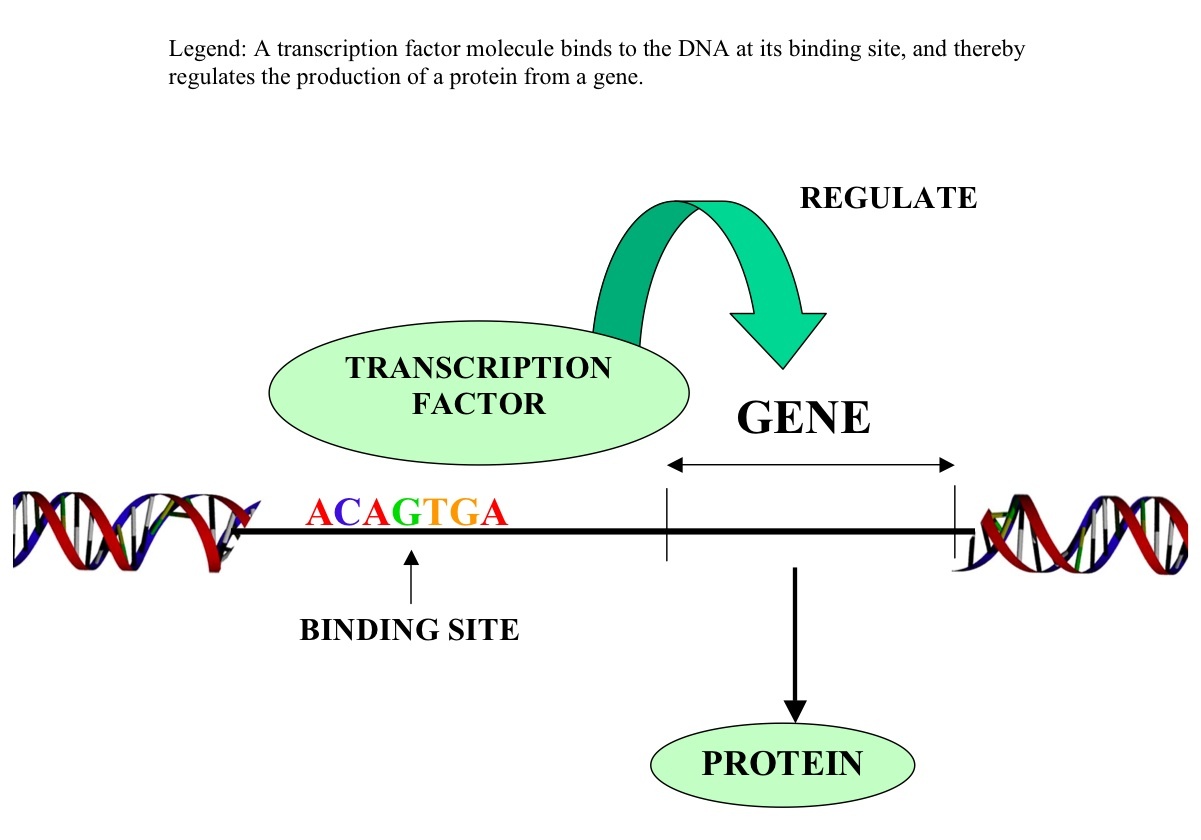
In eukaryotes, proteins that help the RNA polymerase bind to the regulatory region for transcription are called ____________.
transcription factors
topoisomerase
regulatory genes
activators
In a repressible operon, the corepressor
allows transcription to progress
allow the repressor to prevent transcription
binds to the promoter and transcribes the gene

What type of operon is the trp (tryptophan) operon?
inducible
repressible
positive control
promotor
When a gene is activated _________ binds to the DNA at the start of the gene and moves along the DNA to create mRNA
keritanase
RNA polymerase
TAQ polymerase
catalyase
A process of turning genes on and off.
gene mutation
gene regulation
gene process
gene replication

The initial steps in gene expression are modeled. Double-stranded DNA first unwinds into two strands. Which process and product are represented in the diagrams?
Process: transcription; product: mRNA
Process: translation; product: protein
Process: replication; product: tRNA
Process: recombination; product: polymerase
In the absence of an inducer, gene expression of an inducible promoter will be
on
off
halfway on
What is the purpose of transcription?
to create mRNA so that a specific protein can be coded for
to aide the cell in creating cellular energy (ATP)
to bind amino acids together to form a polypeptide
to ensure that daughter cells have the same DNA as the mother cell
Gene expression is the ability for a gene to be:
in the genome.
transcribed.
non-coding.
a dominant allele.
Which RNA type is the result of transcription?
tRNA
Non-coding RNA
rRNA
mRNA
What is an operon?
a part of a ribsome
a part of a Rna
a unit made up of linked genes that code for proteins needed to do a specific task
needed for dna replication
An operon consists of all the the following EXCEPT
operator
promoter
regulatory gene
genes of the operon
Operons are found in which of the following organisms?
Bacteria(prokaryotes)
plants and animals(eukaryotes)
only animals
virsuses
The "on/off" switch for an operon is called the
promoter
repressor
operator
gene
The lac operon genes only become expressed if:
lactose binds to repressor
glucose binds to repressor
repressor binds to operator
lactose binds to operator
What does the lactose do to the Operon?
Blocks transcription of the lactase gene by cutting up the DNA
Binds to the repressor preventing it from attaching to the operator
The lactose binds promoter to prevent transcription
Allows for the transcription rate of lactase to slow down
A protein that binds to the operator and blocks the RNA polymerase
regulator
repressor
activator
corepressor
What is the role of operons in prokaryote gene expression?
It makes the genes prokaryotes be turned on
It accounts for the regulation of gene activity in response to the needs of the cells
To make DNA for the gene
To make the gene turn of and off
Most gene regulation happens at which step along the way?
translation
transcription
signal transduction
DNA replication
Which of the following is a mechanism of gene regulation in eukaryotes?
DNA methylation
RNA splicing
Protein folding
Lipid synthesis
In the lac operon model, what is the role of the repressor protein?
To initiate transcription
To bind to the operator and block transcription
To enhance the binding of RNA polymerase
To degrade mRNA
What is the primary function of a promoter in gene expression?
To terminate transcription
To initiate transcription
To splice RNA
To translate mRNA
Which of the following best describes an inducible operon?
Always active
Activated by a substrate
Repressed by a product
Independent of environmental conditions
How does RNA interference (RNAi) regulate gene expression?
By degrading mRNA
By enhancing DNA replication
By modifying histones
By promoting protein synthesis

