
 Worksheets
DNA Protein Synthesis Mutations Heredity
Total questions: 25
Worksheet time: 25mins

Which of the following best describes a DNA molecule?
double helix
contains ribose
made of amino acids
contains uracil

How many nitrogen bases does DNA have?
1
2
3
4

Every living thing has genetic information stored in the form of
Ribosomes
DNA
Chloroplast
Mitochondria
Heterozygous is when...
the alleles are the same
the alleles are different
the alleles are absent
the alleles are present

According to the amino acid chart, which mutant is most like the wild type organism?
Mutant 1
Mutant 2
Mutant 3
Mutant 4
Which of these shows an example of an insertion mutation?

During transcription the DNA base sequence is transcribed into a complimentary mRNA sequence. A codon table like the one shown below lists the amino acids coded for by particular triads of mRNA bases. A segment of DNA has undergone a mutation in which one nucleotide has been changed. The original sequence was ACG and the new sequence is ACA. Use the codon table to determine whether or not this mutation will cause a change in the phenotype of the organism.
yes, the phenotype of the organism would change because a new amino acid will be coded
for
yes, the phenotype of the organism would change because any change in the DNA
sequence will cause a change in phenotype.
Even though the DNA sequence changed, the sequence still codes for the
same amino acid, so no change in phenotype will occur
It is impossible to determine if a change in phenotype will occur using only the
DNA sequence.

Which mutation will cause translation to stop?
Mutations 1 and 3 only
Mutation 1 only
Mutation 2 only
Muations 1, 2, 3

The codon CCU codes for what amino acid?
Isoleucine
Stop
Methionine
Proline

Use the mRNA below to select the correct amino acid sequence:
AUG-UCA-AAA-UAG
MET-SER-LYS-STOP
MET-THR-LYS-TYR
LEU-SER-CYS-STOP
ILE-LYS-SER-STOP
Which statement is true?
Your DNA is identical to your siblings.
Your DNA is identical to your father's.
Your DNA is identical to your mother's.
Your DNA is unique to you.
Which characteristic would most likely be inherited by a baby?
brown hair
crying a lot
ability to jump high
his ability to talk
What are the four nitrogen bases?
adenine, thymine, guanine, cytosine
adenine, lysine, prolene, guanine
arganine, cytosine, lysine, purine
lysine, cytosine, lucine, guanine
What kind of information does DNA carry?
genetic
nuclear
cell structure
it doesn't carry any info

If two alleles are the same for a certain trait they are considered
Homozygous
Twins
Heterozygous
Common

Physical traits that are expressed are known as ____________
Mutation
Personality
Genotype
Phenotype
The traits of an organism are passed to its offspring on small coded strands of DNA material called
meiosis
recessive traits
genes
heredity
carries copies of instruction for the assembly of amino acids into proteins from DNA to the ribosomes in the cytoplasm
DNA
sequence
protein synthesis
messenger RNA
transfer RNA
carries amino acids to the ribosome during protein synthesis
DNA
sequence
protein synthesis
messenger RNA
transfer RNA
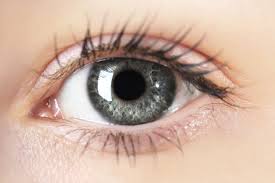
What you see, or the physical appearance.
Genotype
Phenotype
Homozygous
Heterozygous
Which process is responsible for the synthesis of proteins in a cell?
Transcription
Translation
Replication
Mutation
What is a mutation in the context of DNA?
A change in the DNA sequence
A process of protein synthesis
A type of cell division
A method of heredity
Which molecule carries the genetic code from the DNA to the ribosome for protein synthesis?
tRNA
mRNA
rRNA
DNA
What is the role of ribosomes in protein synthesis?
To replicate DNA
To synthesize lipids
To assemble amino acids into proteins
To mutate genes
How can a mutation affect an organism?
It always causes a disease
It can lead to genetic diversity
It has no effect
It only affects the organism's offspring

