
 Worksheets
Mutualism, Parasitism, Commensalism
Total questions: 25
Worksheet time: 25mins
Which of the examples below can BEST be described as mutualism between animals?
A tapeworm lives in the intestine of a bird and consumes the food that the bird has eaten
Mountain lions and wolves fight each other for the same deer
A bird eats parasites off a rhinoceros while the rhinoceros provides protection to the bird
Rats live in the garbage dump of a town and rarely interact with people

Cattle egrets forage (feed) in fields among cattle. The egret gets easy access to flying insects stirred up by the cattle, and the cattle don't care if they are there or not.
mutualism
commensalism
competition
parasitism
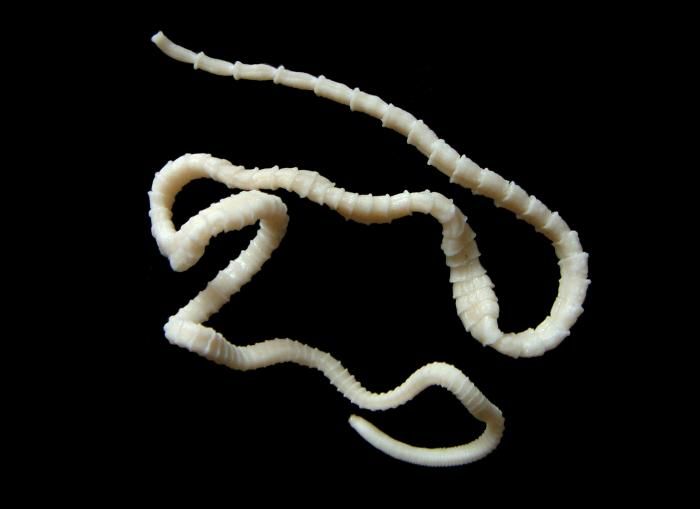
A tapeworm and a cat have this type of relationship.
mutualism
parasitism
commensalism
competition
Which symbols best describe parasitism?
+, +
+, -
+, 0
-, 0

Bromeliads and trees are in a commensal relationship because: (choose 2)
the tree provides shelter and an environment for the bromeliad
the tree is harmed from the bromeliad taking food from it
the tree is not harmed or helped by the bromeliad
the tree takes nutrients from the bromeliad

Hermit crabs live in shells that snails don't use anymore. The hermit crab gets a nice free home. This is an example of (a) .
mutualism
commensalism
parasitism

Some species of barnacles attach themselves to sea turtles or whales. As the whales or sea turtles travel, the barnacles gain access to food in nutrient-rich waters. Their host neither benefits nor is harmed by its riders.
Mutualism
Parasitism
Commensalism
Bromeliads and trees are in a commensal relationship because: (choose 2)
the tree provides shelter and an environment for the bromeliad
the tree is harmed from the bromeliad taking food from it
the tree is not harmed or helped by the bromeliad
the tree takes nutrients from the bromeliad
Hermit crabs live in shells that snails don't use anymore. The hermit crab gets a nice free home. This neither harms nor helps the snails.
mutualism
commensalism
parasitism
What is the main difference between commensalism and mutualism?
In commensalism, both species benefit; in mutualism, only one does.
In mutualism, both species benefit; in commensalism, only one does.
In commensalism, both species are harmed; in mutualism, both benefit.
There is no significant difference; they are the same.
Which of the following is an example of commensalism?
A flea living on a dog
A bee pollinating a flower
Barnacles attaching to a whale
A lion eating a zebra
Which of the following best describes commensalism?
A relationship beneficial to both organisms involved
A relationship harmful to both organisms involved
A relationship beneficial to one organism and harmful to the other
A relationship beneficial to one organism and neutral to the other
What is a key characteristic of commensalism?
Both organisms benefit.
Both organisms are harmed.
One organism benefits, and the other is unaffected.
One organism benefits at the expense of the other.
How does mutualism differ from commensalism?
In mutualism, both organisms are harmed, while in commensalism, one is harmed and the other benefits.
In mutualism, one organism benefits and the other is unaffected, while in commensalism, both benefit.
In mutualism, both organisms benefit, while in commensalism, one benefits and the other is unaffected.
There is no difference; they are the same.
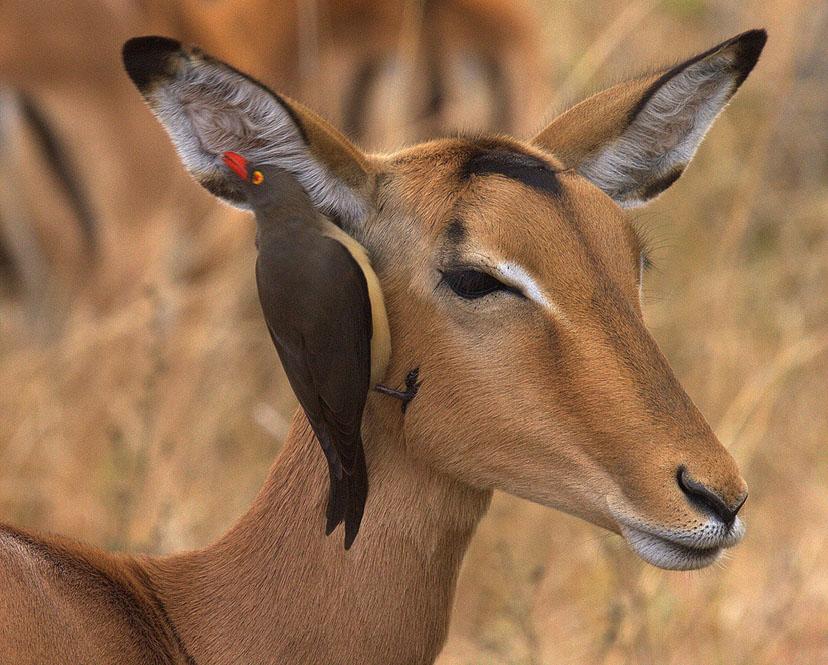
Red-billed oxpeckers are birds that often feed on parasites that infest impala. This is an example of _______.
commensalism
mutualism
neutralism
competition
Which of the following symbiotic relationships is considered parasitic?
Ticks feeding on a dog
Bees transporting pollen from flowers
Pilotfish swimming under sharks
Birds eating the insects from the back of a hippo
Which of the following is an example of mutualism?
A bee pollinating a flower
A tick feeding on a dog
A barnacle attaching to a whale
A lion hunting a zebra
What is the main characteristic of parasitism?
Both organisms benefit
One organism benefits, the other is harmed
Both organisms are harmed
One organism benefits, the other is unaffected
In which type of symbiotic relationship does one organism benefit while the other is unaffected?
Mutualism
Parasitism
Commensalism
Competition
Which of the following best describes mutualism?
A relationship where both organisms benefit
A relationship where one organism benefits and the other is harmed
A relationship where one organism benefits and the other is unaffected
A relationship where both organisms are harmed
Which of the following is an example of parasitism?
A tapeworm in the intestine of a mammal
A bird cleaning the teeth of a crocodile
A remora fish attaching to a shark
A squirrel living in a tree
What is a key difference between mutualism and commensalism?
In mutualism, both organisms benefit; in commensalism, one benefits and the other is unaffected
In mutualism, one organism benefits and the other is harmed; in commensalism, both benefit
In mutualism, both organisms are harmed; in commensalism, one benefits and the other is unaffected
There is no difference; they are the same
Which of the following relationships is an example of commensalism?
Barnacles on a whale
Fleas on a dog
Bees pollinating flowers
Lions hunting zebras
How does parasitism differ from mutualism?
In parasitism, both organisms benefit; in mutualism, one benefits and the other is harmed
In parasitism, one organism benefits and the other is harmed; in mutualism, both benefit
In parasitism, both organisms are harmed; in mutualism, one benefits and the other is unaffected
There is no difference; they are the same
Which symbols best describe commensalism?
+, +
+, -
+, 0
-, 0

