Worksheets
2025 MS-PS3-3
Total questions: 43
Worksheet time: 34mins
A material that conducts heat well.
convection
radiation
conductor
insulator
Thermal energy is transferred through empty space.
conduction
convection
radiation
insulation
Thermal energy is transferred when two objects of different temperatures touch.
conduction
convection
radiation
insulation
A material that does not conduct heat well.
conductor
convection
radiation
insulator
The transfer of heat by the movement of a current.
conduction
convection
radiation
insulation
Feeling warmth on your hands when you hold them near a campfire is an example of ___.
conduction
convection
radiation
insulation
Conduction is transferred by ___.
waves
electricity
currents
touch
Warm air rises and cool air sinks. This describes which type of thermal energy transfer?
convection
radiation
conduction
The sun warms your skin when you are outside. This is an example of which type of thermal energy transfer?
convection
radiation
conduction
Walking on warm sand with bare feet demonstrates which type of thermal energy transfer?
convection
radiation
conduction
When you hold an ice cube in your hand, heat is transferred from...
The ice cube to your hand.
Your hand to the ice cube.
It just appears in the ice cube.
Nowhere, because it isn't transferred.
Molecules in a cup will have the most kinetic energy if they are ___.
in a freezer
near a hot fire
outside in a snowstorm
at sea-level
What happens to particles as the temperature goes up?
nothing
they don't move
they slow down
they speed up
Heat transfer always goes from ___.
hot to cold
cold to hot
freexing to cold
heat doesn't transfer
What is the difference between heat and temperature?
Temperature measures the motion of molecules, and heat is the energy of that motion.
Temperature is measured by a thermometer, and heat is measured by a barometer.
Heat is measured in calories, and temperature is measured in joules.
Heat is caused by the sun, and temperature is caused by conditions in the atmosphere.
Why is there more heat in an iceberg than in a pot of boiling water?
The pot insulates the heated molecules.
Most icebergs are fairly warm to the touch.
Icebergs contain many more molecules than pots of water.
Water does not hold heat very well.
What happens inside a thermometer when the temperature goes up?
The heat causes the liquid to become denser.
The heat causes the liquid to expand.
The heat causes the liquid to float.
The heat boils the liquid into a gas.
Which of the following is the best conductor of electrical energy?
cloth
glass
copper
foam
Which of the following materials are conductors or insulators of thermal energy?
Rubber
Steel
Wool
Ceramic
Glass

A material that prevents heat or an electric current from flowing
Conductor
Insulator
Magnetism
Electric Circuit
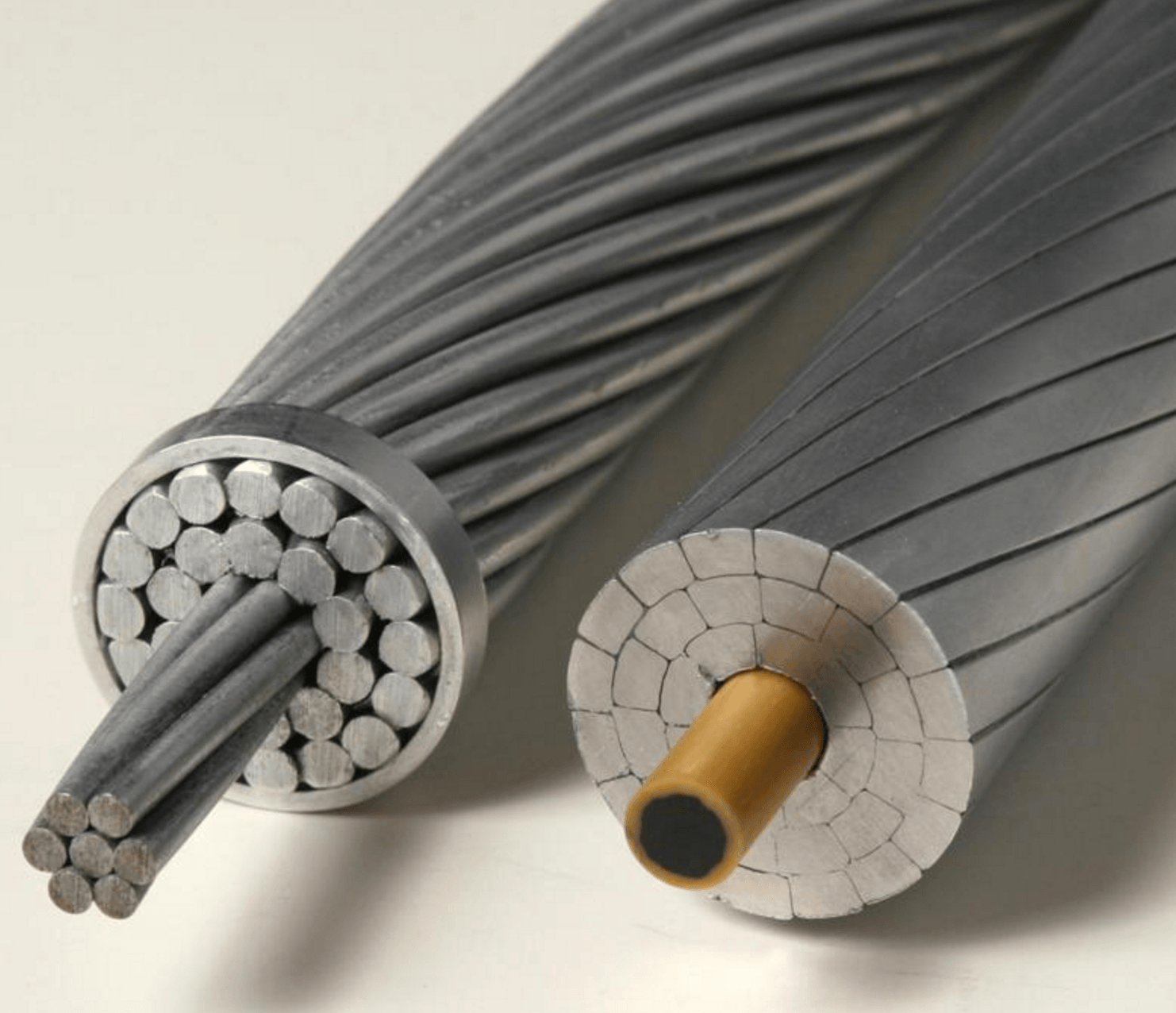

Annie classified some materials as insulators or as conductors. Which of the following materials did she list in the wrong column?
air
glass
rubber
saltwater
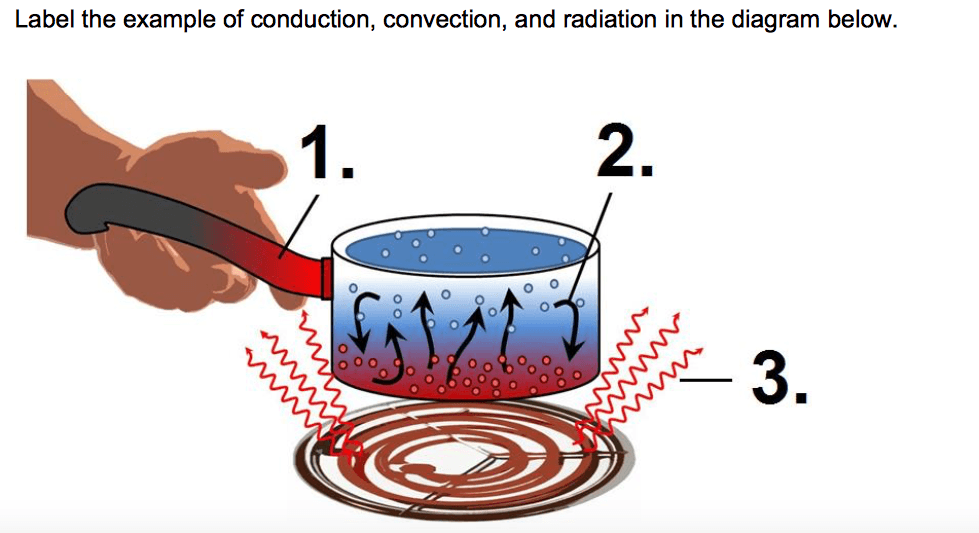
What type of thermal energy transfer is number 1 pointing to?
Convection
Conduction
Radiation
Insulation

What type of thermal energy transfer is number 3 pointing to?
Convection
Conduction
Radiation
Insulation
Which of the examples are heat insulators?


Why is the base of iron is made from metal?
To easier the ironing process.
To enable it to conduct heat.
Absorbs energy
Endothermic
Exothermic
Burning and combustion
Endothermic
Exothermic
Evaporation of sweat
Endothermic
Exothermic
Feels warm or hot
Endothermic
Exothermic
Heat pack
Endothermic
Exothermic

Endothermic
Exothermic

Endothermic
Exothermic
Photosynthesis
Endothermic
Exothermic
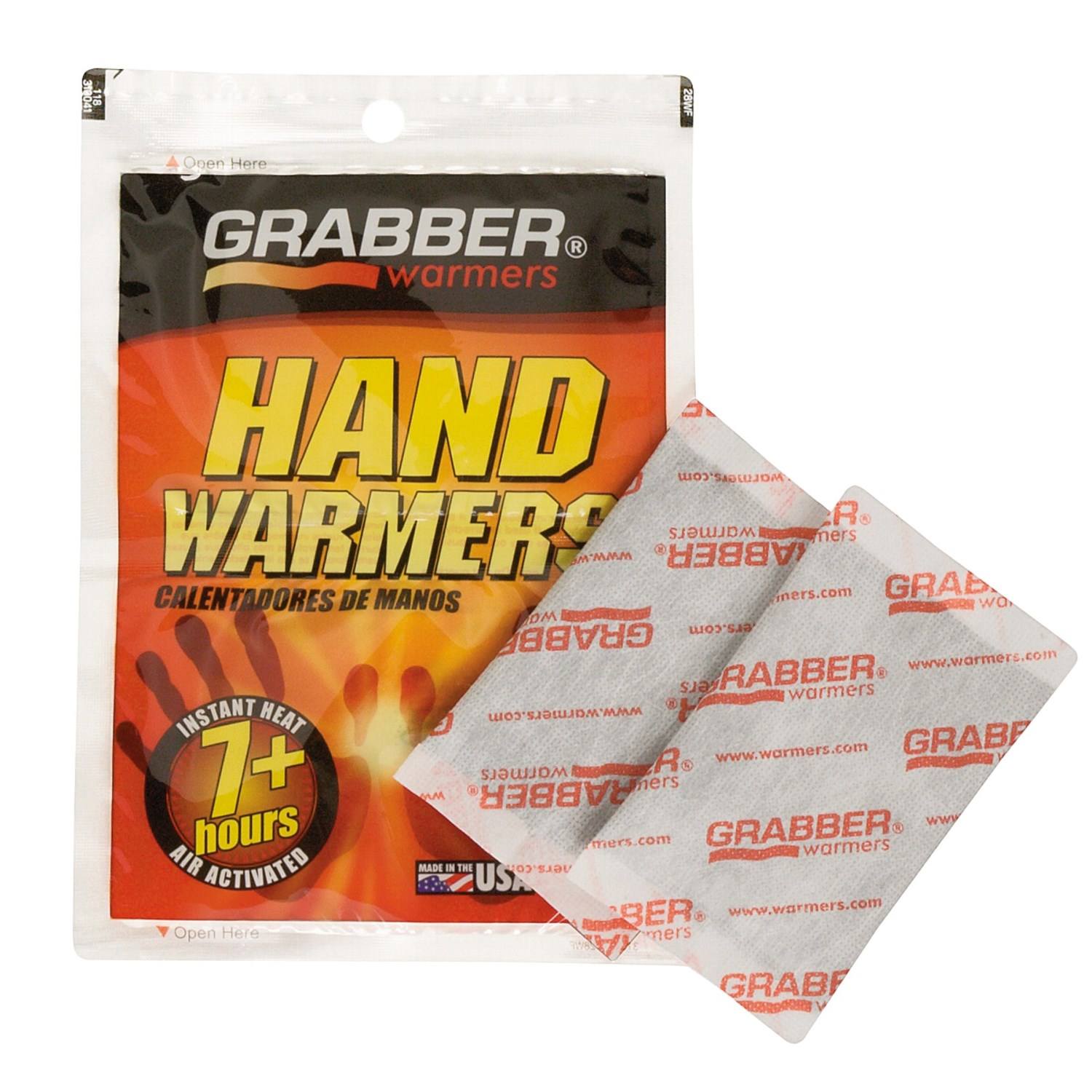
What type of reaction occurs in a hand warmer?
exothermic
endothermic