wayground logo

Free Printable Worksheets

NEW

Font size

S
M
L
XL
Worksheets

G4 Animal Life and Survival

Total questions: 21

Worksheet time: 15mins

Name
Class
Date
1.

What does metamorphosis mean?

a)

To change or transform

b)

A fully grown plant or animal

c)

To shed an outer skeleton or skin

d)

I have no idea!

2.

Which of the following shows a life cycle?

a)
b)
c)
d)
3.

What is the life cycle of a frog?

a)

Frog, egg, tadpole, froglet

b)

Egg, tadpole, froglet, frog

c)

Tadpole, adult, froglet, egg

d)

Froglet, frog, egg, tadpole

4.
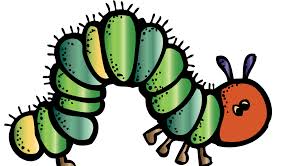
What is the stage of the caterpillar called?
a)
pupa
b)
adult
c)
egg
d)
larva
5.
In the PUPA stage, the organisms job is 
a)
to hatch
b)
to eat
c)
to change 
d)
to reproduce
6.
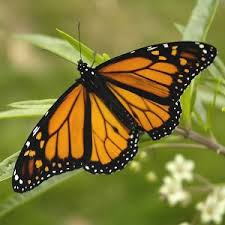
What is the last stage of the butterfly life cycle?
a)
egg
b)
pupa
c)
adult
d)
larva
7.

Animals with a backbone (fish, birds, amphibians, reptiles, mammals)

a)

vertebrates

b)

cold blooded

c)

invertebrates

d)

warm blooded

8.
A frog spends time on land and in the water. What kind of animal is a frog?
a)
amphibian
b)
bird
c)
mammal
d)
fish
9.

Which of the following are invertebrates?

a)

Coral

b)

Jelly Fish

c)

Sponge

d)

All of the above

10.

True or false: Every life cycle begins with a fertilized egg.

a)

True

b)

False

11.

How are birds and fish similar?

a)

They have backbones.

b)

They both fly.

c)

They both swim.

d)

They don't have backbones.

12.
What is this called?
a)
Food Web
b)
Food Chain
c)
Abiotic Factors
13.
What is this called?
a)
Food Web
b)
Food Chain
c)
Abiotic Factors
14.
The arrows in a food chain or web represents what?
a)
They point to the organism that is being eaten.
b)
It shows how sunlight flows within an ecosystem.
c)
They show what direction the energy is flowing between organisms. 
d)
They represent how water is transferred within a habitat.
15.
Which of the following is a herbivore?
a)
cricket
b)
frog
c)
hawk
d)
shrew
16.
An organism that gets energy from breaking down dead organisms, non-living material or waste is a(an) ___________.
a)
producer
b)
consumer
c)
decomposer
d)
autotroph
17.

Place where an organism lives and that provides the types of food, shelter, moisture, and temperature needed for survival.

a)

Niche

b)

Biomes

c)

Habitat

d)

Ecosystem

18.
What is a herbivore?
a)
an animal that gets energy from eating other animals
b)
an organism that gets energy from eating only plants
c)
an animal that gets energy by eating both plants and other animals
d)
an animal that eats only herbs
19.

Tortoises have ______ to protect their soft bodies

a)

scales

b)

shells

c)

feathers

d)

furs

20.

A penguin has a layer of flubber to protect itself from extreme cold temperatures. What kind of adaptation is this?

a)

Behavioural

b)

Structural

c)

Physiological

21.

A bear sleeps all winter. What is this form of adaptation called?

a)

"playing dead"

b)

hibernation

c)

migration

d)

camouflage