
 Worksheets
Natural selection (grinstead)
Total questions: 25
Worksheet time: 19mins
A trait or change in lifestyle that helps a plant or animal survive in its environment
adaptation
evolution
homologous
vestigial
Shows how different groups of organisms have changed over time.
fossil record
homologous structures
embryology
Organisms with the best suited adaptations for their environment are more likely to survive and reproduce than organisms that are not very well adapted
natural selection
artificial selection
creationism

Select the right word for this definition:
"An idea that explains something, but may or may not be right."
mutation
fossil
theory
Select the right word for this definition:
"removed from existence."
mutated
fossil
extinct

A giraffe has a long neck in order to better reach leaves to eat. This is an example of _____.
an adaptation
environment
response
stimulus

What could cause a species to go extinct?
Food becomes more plentiful.
The environment changes drastically and no-one can adapt.
There is less competition for resources.
Members of a species have adaptations to enhance survival.
An anatomical feature that no longer seams to have a purpose in the current form of an organism
Homologous structure
Analogous structure
Vestigial structure
None of the above

Which best describes these structures?
homologous
vestigial
analogous
Which BEST helps a population from going extinct?
low mutation rate
small population
genetic variation
similar physical features


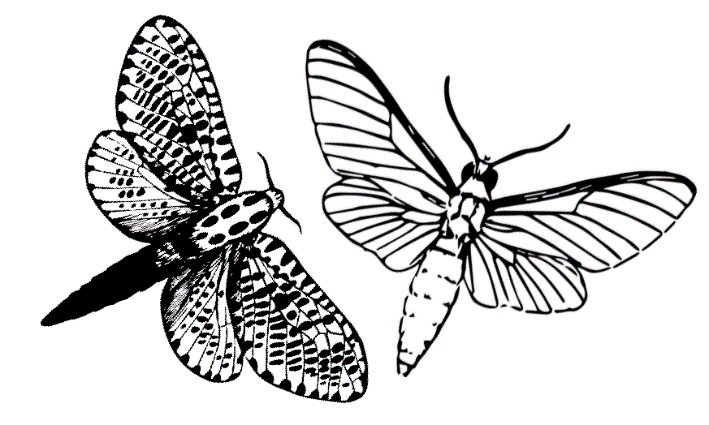
According to natural selection, light colored tree trunks would favor
light colored moths
dark colored moths
red colored moths
red and light colored moths

What was the name of the ship Darwin traveled the world on?
HMS Beagle
SS Beagle
HMS Bugle
SS Bugle

What is the advantage of having different shaped beaks?
To look different from other species.
To be able to eat the food readily available in the environment.
To protect itself against predators.
To protect itself against prey.

What is survival of the fittest?
It is where the fittest die out and therefore reproduce and pass on their genes
It is where the fittest die out and therefore can't reproduce and pass on their genes
It is where the fittest don't die out and therefore can't reproduce and pass on their genes
It is where the fittest don't die out and therefore reproduce and pass on their genes
A bird's wing and a butterfly's wing have the same function, but they have very different structures. These structures are classified as follows:
homologous structures
analogous structures
vestigial structures
embryological homologues

Which fossil in the diagram is the youngest?
fern
shell
coral

Which fossil in the diagram is the oldest?
shell
mollusk
plant
Which trait MOST likely helps an animal survive in a very cold environment?
Long ears
Large eyes
Thick fur
Sharp Claws

