
Font size
 Worksheets
Stickler Week 24
Total questions: 32
Worksheet time: 37mins
An example if an insulator is
a tin can
a steel rod
a plastic spoon
True or False Conductors allow heat or electrical energy to pass easily through them.
true
false
Look at the pictures and choose the conductor.


This texture is
smooth
lumpy

What is the texture?
furry
smooth
jagged
prickly
About how long does it take the moon to make one complete cycle around the earth?
24 hours
7 days
365 days
27.3 days

A student wants to use a spinning basketball to model the day-and-night cycle on Earth.
What should the student do in order to best model the cause of the day-and-night cycle?
Spin the ball in different directions
Tilt the ball while it is spinning
Paint one half of the ball black and the other half white
Shine a bright light on one side of the ball

Which side of Earth is experiencing daytime?
A
B

Which side of Earth is experiencing night?
A
B

which skater has more gravitational potential energy?
yellow skater
blue skater
both skaters have equal gravitational potential energy

Which point has the least amount of gravitational potential energy?
A
B
C
D
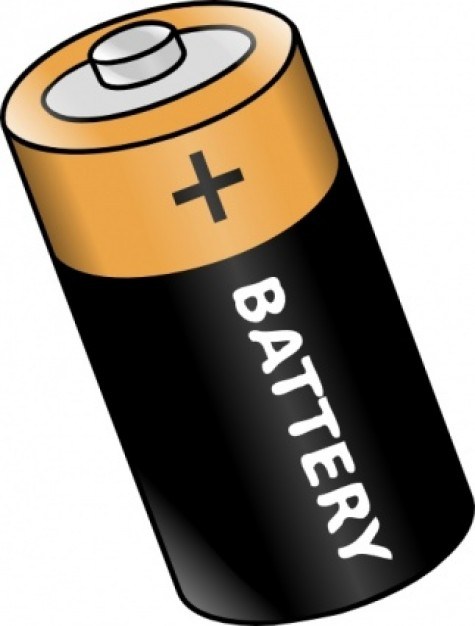
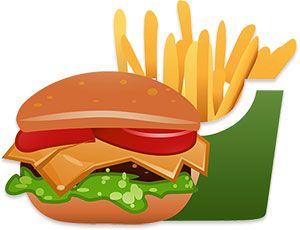
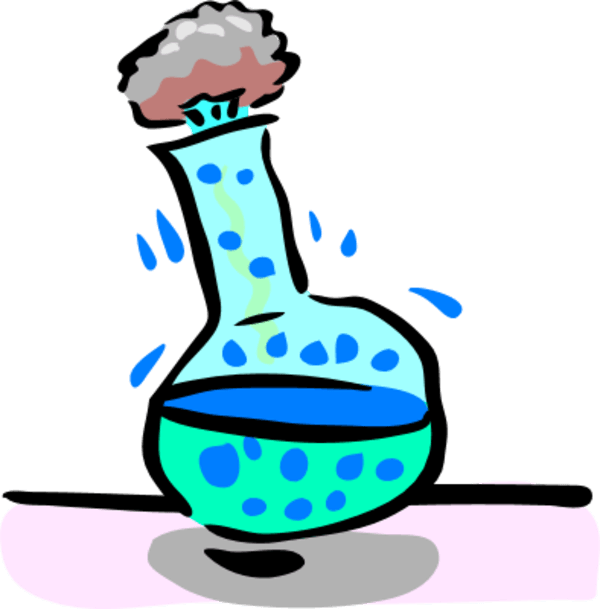
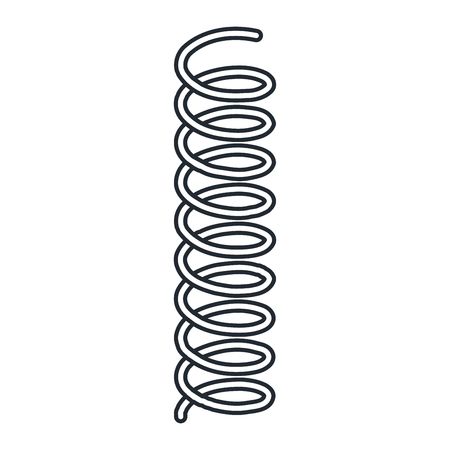
Which picture is NOT an example of Chemical PE?
You can make a solute dissolve more quickly in a solvent by
adding more solute.
adding ice.
heating the solvent.
removing some solvent.
Select all the factors which can affect the solubility of a substance
temperature
size of solute or the surface area of the solute
the amount of stirring
colour of the solute
As the temperature increases, the rate at which the solute dissolves ____________
remains the same
decreases
also increases
none of the above
Mercury,Saturn
Jupiter, Uranus, Neptune
Jupiter, Neptune,
Mercury,Saturn,
Uranus
Mars,Jupiter,
Saturn,Uranus
Neptune
Name the inner planets
Saturn, Jupiter, Earth, Mercury
Mercury, Venus, Earth, Mars
Venus, Earth, Mercury, Saturn
Neptune, Venus, Mercury, Mars
Define waxing
The lit part of the moon appears to be growing and getting bigger.
The moon is completely illuminated.
The far side of the moon is facing the Earth.
The lit part of the moon is decreasing and appears to be shrinking
Gibbous means
Less than half of the moon visible.
More than half of moon visible but not all of it.
All of the moon is visible.
None of moon visible
As the moon's shape appears to get smaller, we say that the moon is _.
shrinking
waxing
waning
disappearing

This model is showing us a...
lunar eclipse
solar eclipse
phases of the moon
earth eclipse

This image is showing us a.....
solar eclipse
lunar eclipse
phases of the moon
earth eclipse
What causes the moon's phases?
Where you are standing on Earth
the amount of sunlight reflected onto the moon from the sun
The tilt of Earth
how fast the moon is moving

This picture represents which of the following?
element
compound

This picture represents which of the following?
element
compound

This picture represents which of the following?
element
compound

