
Font size
 Worksheets
Unit 1 Formative 2
Total questions: 25
Worksheet time: 55mins
Positive Feedback loop
decreases the stimulus
increases the stimulus
Negative feedback returns BACK to the set point
False
True

This graph shows an example of...
Blood sugar regulation
Homeostasis
Negative feedback
Positive feedback
is the maintenance of a relatively stable internal environment
is the maintenance of a relatively stable external environment
To prevent antibiotic resistance from developing, you should... (Select all that apply.)
only use antibiotics when needed
only take half the amount of antibiotics prescribed by your doctor
only take antibiotics for viruses
complete the full amount of antibiotics prescribed by your doctor
It hasn't changed at all.
Bacteria are becoming less resistant to the antibiotics that are being prescribed.
Humans are buying less antibiotics, and antibiotics are becoming more effective.
Bacteria are becoming more resistant to the antibiotics that are being prescribed.
The ability for bacteria to survive the effects of antibiotics.
Which do BOTH prokaryotes and eukaryotes contain?
nucleus
mitochondria
ribosomes
cell wall
Which does only eukaryotic cells contain?
nucleus
DNA
cell membrane
ribosomes
Prokaryotic cells do not have…….
membrane bound organelles
cell membrane
DNA or RNA
life
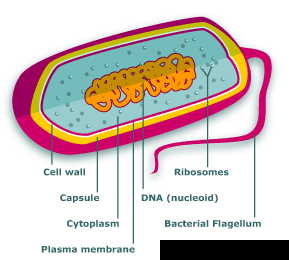

True or False: Both prokaryotes and eukaryotes have ribosomes and a plasma membrane.
True
False
Which organelle controls what goes in and out of the cell?
nucleus
nucleolus
cell membrane
nuclear membrane

What organelle is represented by this image?
rough endoplasmic reticulum
smooth endoplasmic reticulum
ribosome
nucleus
The jelly-like material inside the cell
ribosomes
lysosome
granum
cytoplasm
Which organelle contains DNA and controls the cell?
Cell membrane
nucleus
nucleolus
lysosme

Which organelle is this?
Golgi Apparatus
Mitochondria
Nucleus
Chloroplast

What organelle does this image represent?
Golgi Apparatus
Ribosome
Mitochondria
Chloroplast



