
 Worksheets
LCS Tool Maintenance Quiz
Total questions: 47
Worksheet time: 24mins
Why is it important to identify and use the correct tools when fabricating low carbon steel pipework?
To ensure the tools are expensive
To maintain the color of the steel
To use the tools for decoration
To use the tools properly and maintain them in good condition
What is a key reason for maintaining tools in good condition?
To make them look shiny
To ensure they last a long time and are ready to be used
To increase their weight
To change their color
What is low carbon steel pipe more commonly used for in commercial installations?
Electrical wiring
Central heating
Water filtration
Air conditioning
What must be done to low carbon steel pipe if it is used for hot and cold water supplies?
Painted
Insulated
Galvanised
Coated with plastic
What should you use before working with low carbon steel to protect your hands?
Sunscreen
Barrier cream and/or gloves
Hand sanitizer
Moisturizing lotion
What should you avoid doing with oily hands when working with low carbon steel?
Wiping them on your overalls
Washing them with water
Using a hand dryer
Applying lotion
Which material is stronger and tougher than both copper and plastic pressure pipe?
Low carbon steel
Aluminum
Brass
PVC
What does the strength of low carbon steel affect in plumbing?
The color of the pipes
The types of hand and power tools required
The length of the pipes
The temperature of the water
What type of tool is an LCS pipe cutter?
A manually adjusted tool for cutting low carbon steel pipes
An electric tool for welding pipes
A hydraulic tool for bending pipes
A pneumatic tool for cleaning pipes
How is the handle of an LCS pipe cutter operated?
By turning it clockwise or anti-clockwise
By pushing it up and down
By pulling it back and forth
By pressing a button
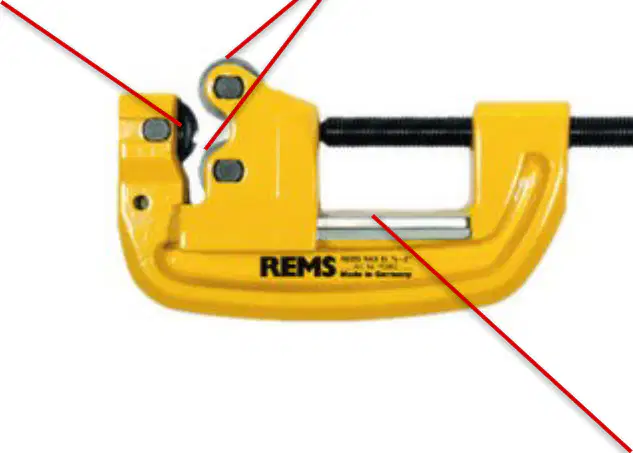
What is the primary function of the LCS pipe cutter?
To cut pipes
To bend pipes
To weld pipes
To measure pipes
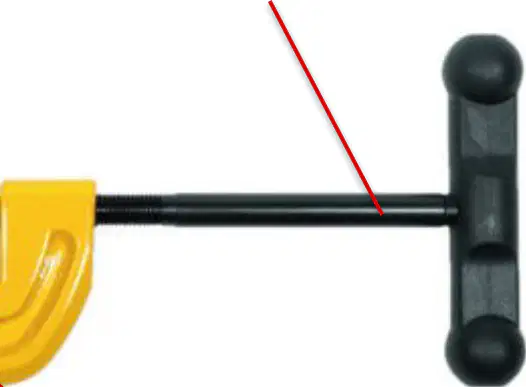
Which part of the LCS pipe cutter is used to adjust the tool?
Cutting disc
Rollers
Adjustment handle
Guide
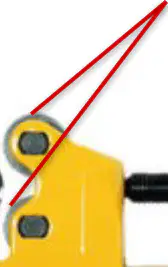
What component of the LCS pipe cutter makes contact with the pipe to perform the cutting?
Guide
Rollers
Cutting disc
Adjustment handle
What is the primary use of an LCS pipe cutter?
To cut through high carbon steel pipe
To cut through low carbon steel pipe
To cut through plastic pipe
To cut through copper pipe
How is the pipe positioned in an LCS pipe cutter?
Between the rollers and the cutting disc
Above the cutting disc
Below the rollers
Next to the adjustment handle
What is the function of the adjustment handle on an LCS pipe cutter?
To start the cutting process
To tension the pipe slightly
To measure the pipe length
To lubricate the cutting disc
What is required for the rollers of an LCS pipe cutter to rotate freely?
Continual lubrication
Regular cleaning
Frequent sharpening
Tightening the adjustment thread
When should the cutting disc of an LCS pipe cutter be replaced?
When it becomes rusty
When it becomes blunt or is chipped
When it changes color
When it gets wet
Why is it important to remove burrs after cutting or threading in plumbing?
To improve the appearance of the pipe
To ensure the seal on the pipework is not affected
To make the pipe lighter
To increase the length of the pipe
How can de-burring be carried out?
Only by using a specific tool
In several different ways
By heating the pipe
By painting over the burrs
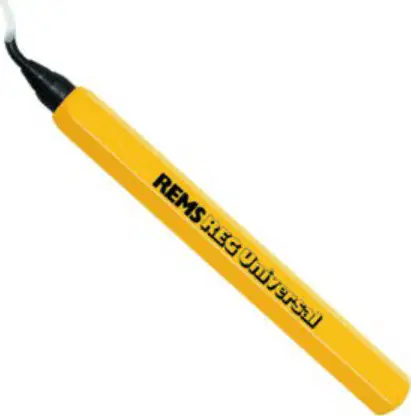
What is a universal de-burring tool used for?
Cutting wood
Scraping the edge of a pipe
Drilling holes
Sanding surfaces
Which material can a universal de-burring tool be used on?
LCS
Glass
Concrete
Fabric
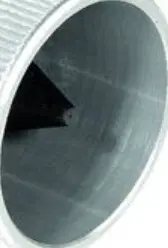
What is the primary function of a manually rotated de-burring tool?
To tighten screws
To remove internal burrs
To cut wood
To measure pipe length
What material is the reamer inside a de-burring tool typically made of?
Plastic
Hardened steel
Aluminum
Copper
What feature of the reamer allows it to remove internal burrs?
Its color
Its weight
Its several cutting edges
Its length
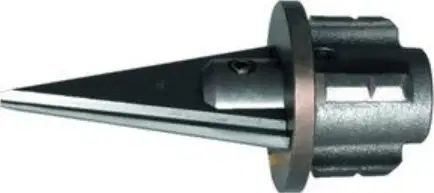
What is the primary function of a de-burring tool in plumbing?
To attach pipes together
To remove internal burrs from pipes
To measure pipe length
To paint pipes
How does a de-burring tool operate?
By heating the pipe
By rotating the pipe and pushing the reamer onto the end
By gluing the pipe ends
By compressing the pipe

What type of files can be used to de-burr LCS?
Half-round and round files
Flat and square files
Triangular and flat files
Square and triangular files
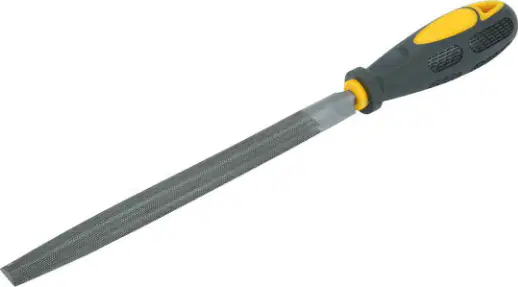
What is the purpose of using the radius of the file in de-burring?
To smooth the outer surface
To go around the inside of the pipe
To cut the pipe into sections
To polish the pipe
What is a common hazard when using de-burring tools?
Dull blades
Razor sharp burrs
Heavy weight
Loud noise
What should be done when de-burring tools lose their cutting edge?
Sharpen the blade
Replace the blade or the tool
Use more force
Apply oil
What can be used to remove burrs from tools?
A hammer
A small bush
A screwdriver
A file
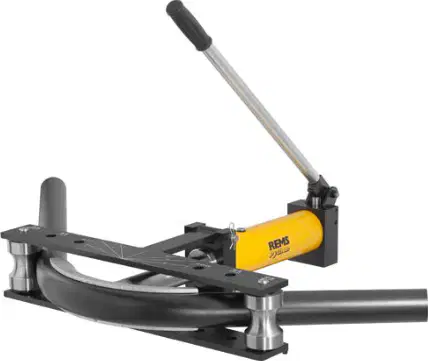
What is the main tool used to fabricate LCS pipework into different shapes?
Hydraulic bender
Electric drill
Pipe cutter
Welding torch
What is required to use a hydraulic bender effectively?
Specialist training
Basic knowledge
No training
Online tutorial
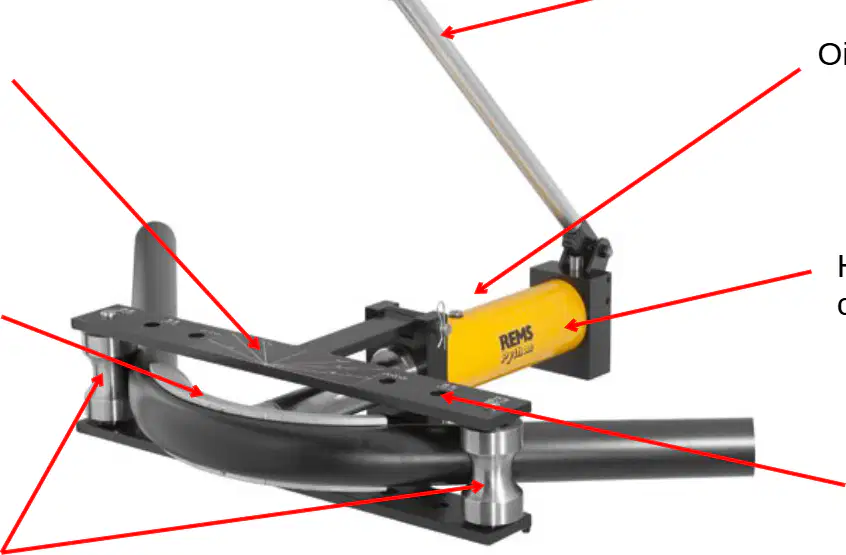
What is the function of the pump handle in a hydraulic bender?
To control the flow of oil
To provide leverage for bending
To secure the frame
To adjust the location lugs
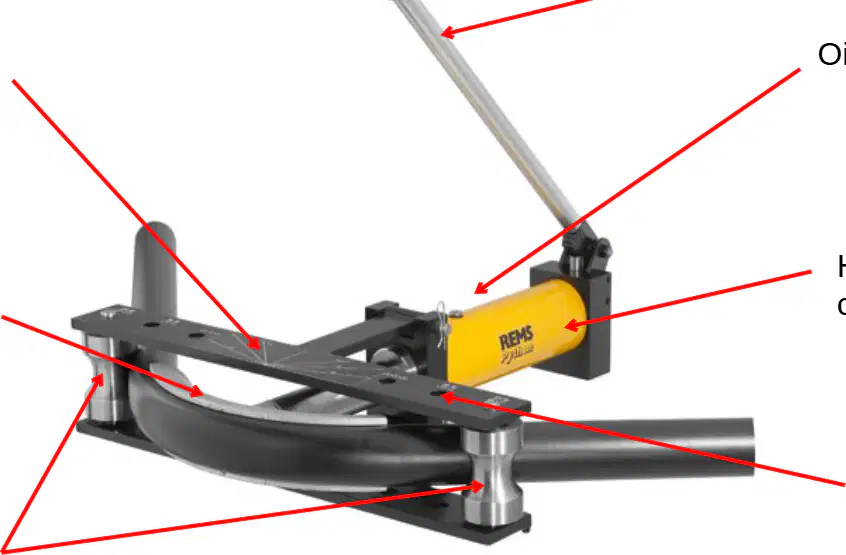
Which part of the hydraulic bender is responsible for holding the pipe in place during bending?
The frame
Location lugs
Oil inlet
Hydraulic cylinder
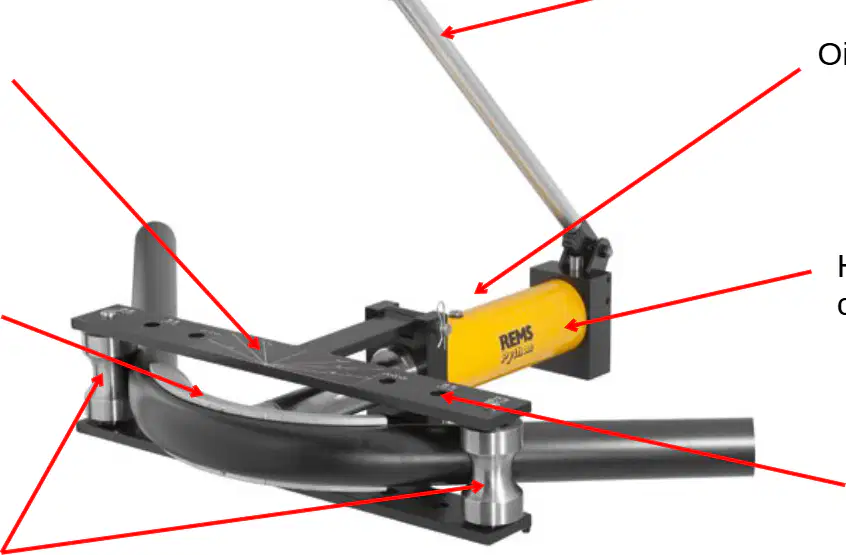
What is the purpose of the hydraulic cylinder in a hydraulic bender?
To store oil
To apply pressure for bending
To support the frame
To guide the ram head
What is the purpose of the hydraulic bender in plumbing?
To cut LCS pipework
To form a bend in LCS pipework
To weld LCS pipework
To paint LCS pipework
Where is the LCS pipework located when using a hydraulic bender?
Above the ram head
Below the stops
Between the stops and the ram head
Outside the machine
What motion is the pump handle set in for a hydraulic bender?
Backward motion
Circular motion
Forward motion
Sideways motion
How is the ram head moved in a hydraulic bender?
By rotating the handle
By pushing the handle sideways
By pumping the handle up and down
By pulling the handle backward
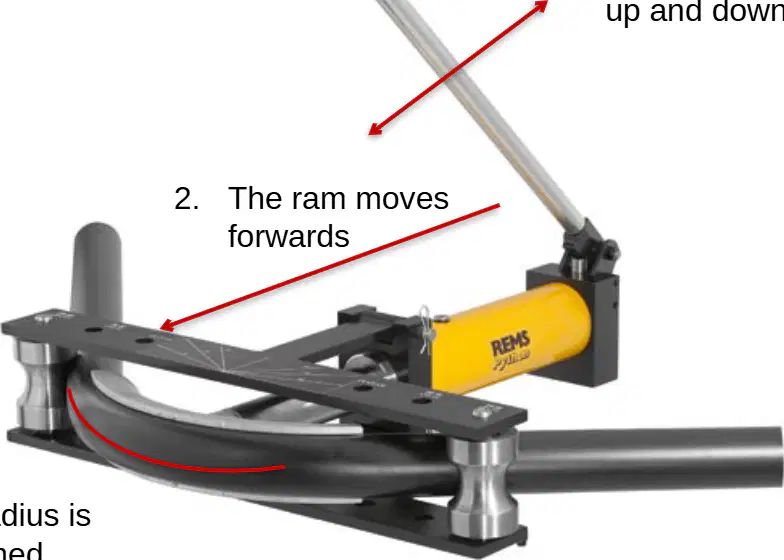
What is the primary function of a hydraulic bender?
To cut metal pipes
To bend metal pipes
To weld metal pipes
To measure metal pipes
Which part of the hydraulic bender is responsible for moving forwards?
The handle
The ram
The base
The lever
What action is performed by the handle of a hydraulic bender?
It rotates
It moves up and down
It slides sideways
It remains stationary
What is one of the maintenance requirements for a hydraulic bender?
It should be painted regularly.
It needs to be kept clean and well lubricated.
It should be used daily.
It needs to be stored in a cold environment.
How often should the hydraulic oil level be checked in a hydraulic bender?
Once a year
Every five years
Regularly
Never
What should be done with the ram head and stops of a hydraulic bender?
They should be painted.
They should be discarded after use.
They need to be cleaned and stored safely.
They should be left outside.

