
Font size
 Worksheets
RGH Medical Skills Day Review
Total questions: 17
Worksheet time: 6mins
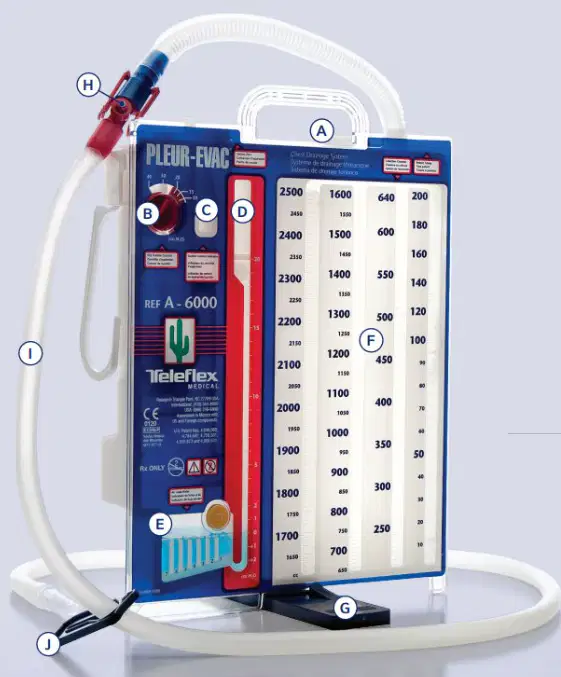
Select the recommended frequency of chest tube dressing change on medical units at RGH.
Every 3 days
Only as needed
Daily, and sooner if soiled or if no longer occlusive
Every 1-3 days

While assessing the patient with a chest tube, you note constant bubbling in the water seal chamber. What could be the cause? (select all that apply)
There is a chinook outside
The patient has a pneumothorax
The Chest Drainage system has an air leak
The chest tube is obstructed
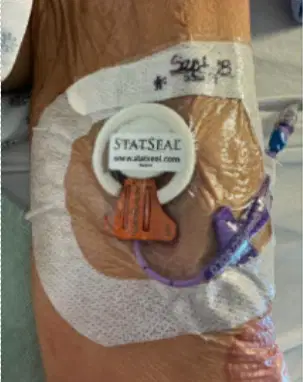
When does this PICC dressing need to be changed? (select all that apply)
2 days (48 h) post-insertion
7 days post-insertion
PRN if compromised
Never it is good as long as the PICC stays in
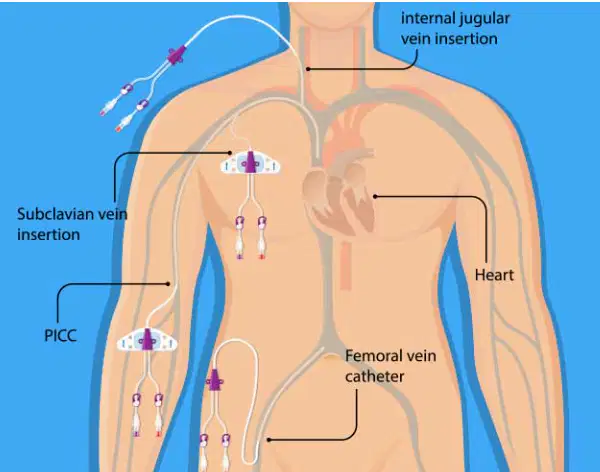
Which of these CVADs can be removed on the unit by any CVAD certified nurse? (select all that apply)
Tunneled CVAD
Non-tunneled direct percutaneous CVAD (“IJ”)
PICC
Femoral non-tunneled CVAD
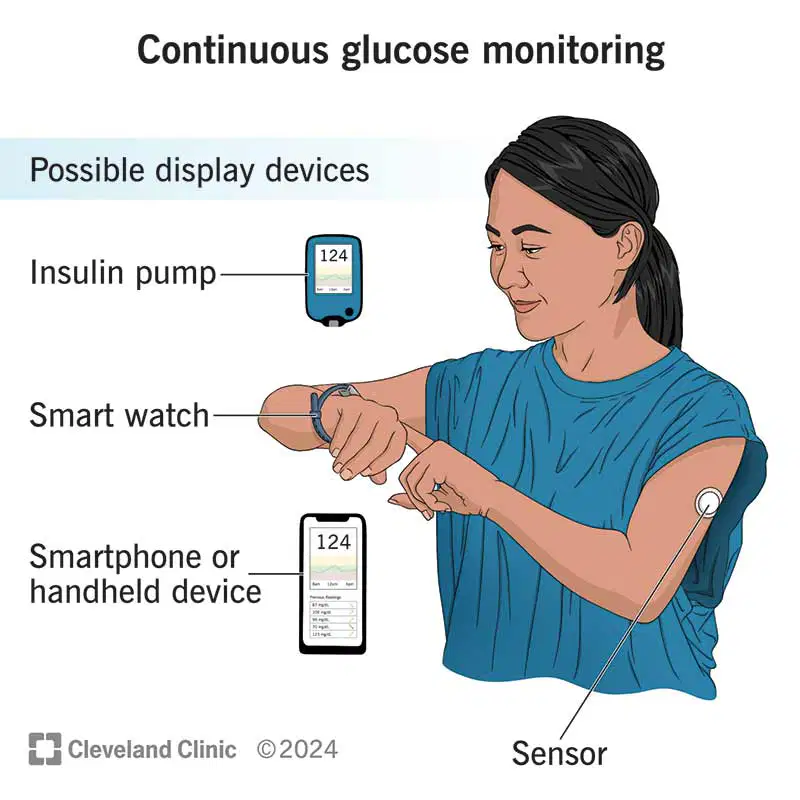
You have a patient with a CGM. There is a physician order to use the CGM reading to dose nurse-administered insulin. What is best action? (select all that apply)
Ask the patient what their blood glucose is before administering insulin
Inform physician nurses cannot use CGM readings to dose insulin
Suggest physician enter order for patient to manage own insulin dosing using CGM if appropriate
Ignore all things BGL- the patient is managing their own
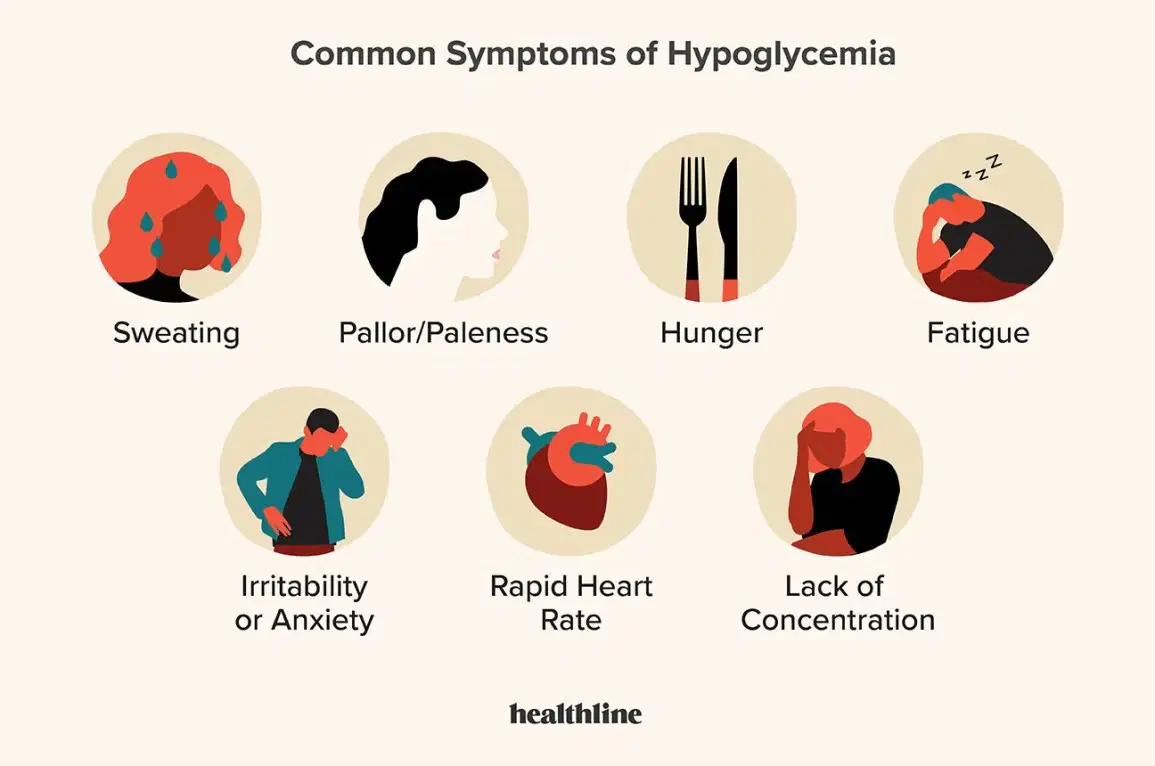
Your patient's BG is 3.4, what is the most appropriate nursing action?
Provide meal tray ASAP and encourage patient to eat
Mix 4 sugar packages in a container of apple juice for patient to drink
Page physician and ask how they would like to treat
Choose appropriate treatment option based on hypoglycemia treatment algorithm

How often do you observe and monitor a patient who has just recently had 2 Pinel limb Wrist restraints applied?
Every 1hr
Every 4hrs
Every 15 to 30 minutes at minimum
Every 8hrs
Your newly admitted patient with dementia is becoming verbally escalated as he wanders down the hall. How should you respond?
Threaten the patient with restraint use
Go ahead and restrain the patient using 4 Pinel limb restraints
Review current care plan and engage family to find strategies to de-escalate
Administer Haldol to de-escalate the patient
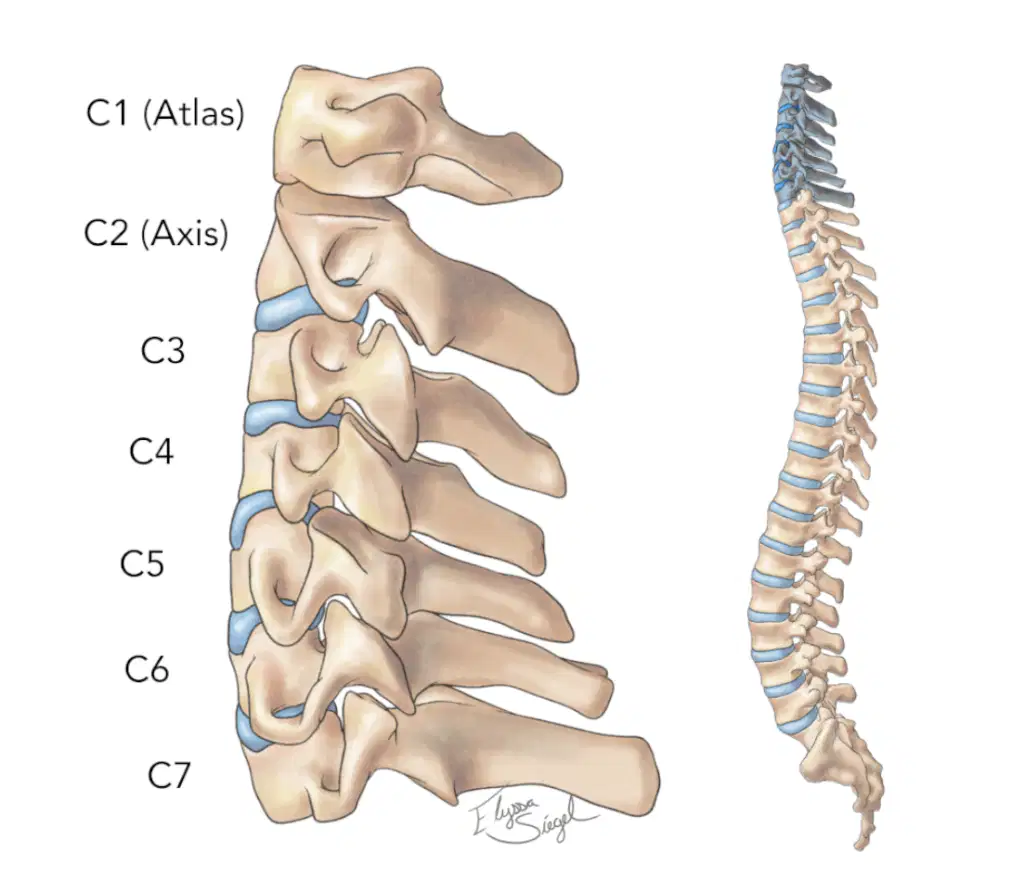
You would suspect a spinal injury and call a code 66 in which of the following situations
Patient found lying on the floor with bed not in the lowest position and all 4 side-rails up
Any unwitnessed fall
An unwitnessed fall with scalp laceration and altered LOC
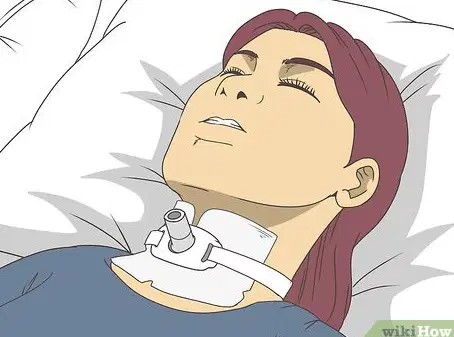
Select the correct frequencies for nursing tracheostomy care
Trach tie change PRN, check patency of inner cannula q4h and PRN, clean inner cannula q12h, stoma care qshift
Trach tie change qshift, check patency of inner cannula q4h and PRN, clean inner cannula q12h, stoma care qshift
Check patency and clean inner cannula, stoma care and trach tie change each once per shift
Nurse to check patency of inner cannula q4h and PRN, RTs do the rest.
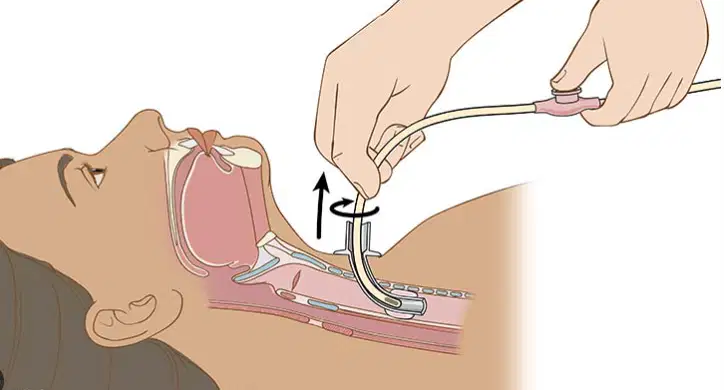
When my patient with a trach is coughing and has lots of mucous, deep suctioning (more than 12cm) is needed to clear their airway and is more effective than superficial suctioning (10-12cm).
True
False
Possible signs of a transfusion reaction are
Hypertension, bradycardia, erythema
Mild headaches, itchy palms, vision changed
Cyanosis, urticaria, fever
Agitation, joint pain, hematuria

We can refer to Give Life Alberta BEFORE a patient passes away
True
False
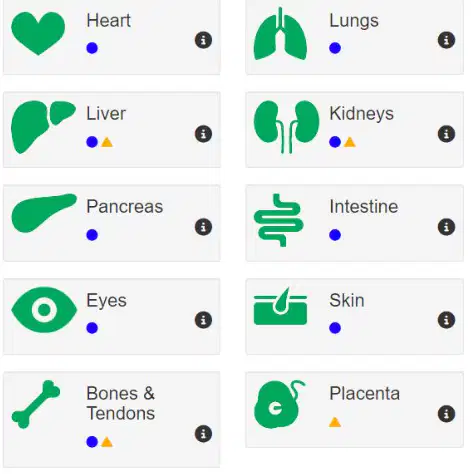
What portions of the tissue donation process are mandatory for floor nurses, (select all that apply)
Screening
Documentation
Obtaining consent
Calling Give Life Alberta (if the patient DOES NOT meet the exclusion criteria)
Make something up
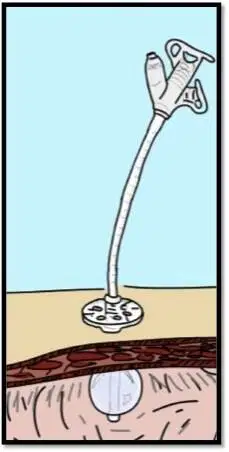
Why do we flush with sterile water between every single medication? Pick all that apply:
We don’t want medications to mix in the stomach
We don’t want medications to mix in the tube
We want to prevent mixing incompatible medications in the tube. These types of occlusions cannot be unclogged
Because it is the Patient's preference
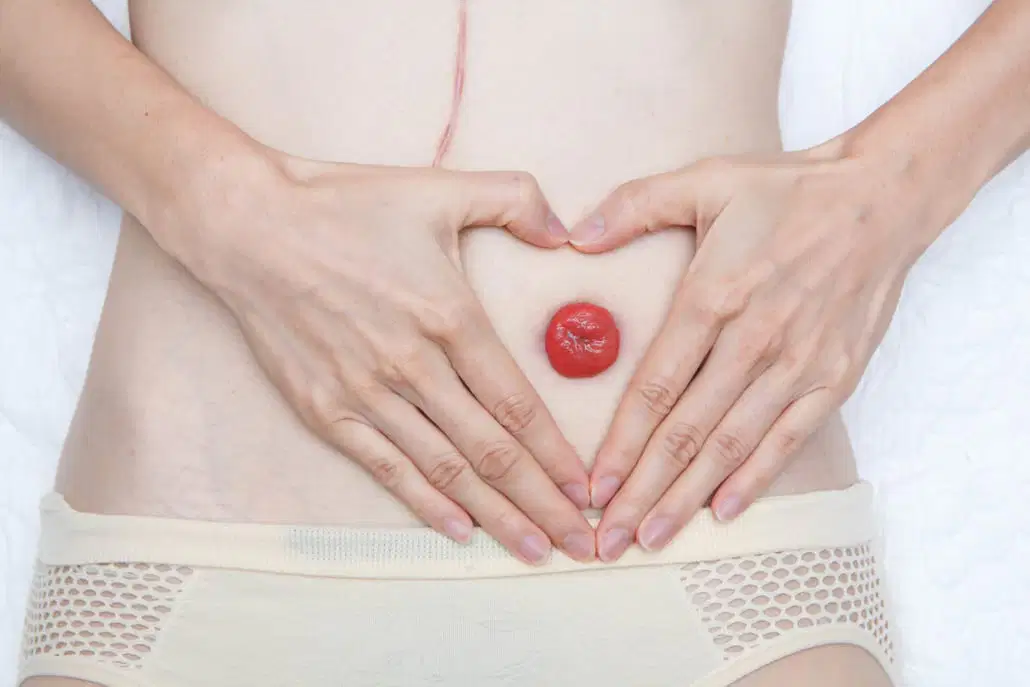
NSWOC should be consulted for ostomies when?
For new ostomies
For ostomies that nursing is concerned about (leaking/skin breakdown)
Consultation is not required.
Consult NSWOC for all ostomies

The MRHP assesses your patient after an unwitnessed fall and determines that they DO NOT require c-spine precautions or a CT scan. However, you must continue to complete neuro-vitals?
True
False

