
 Worksheets
U.S. Involvement in World War I
Total questions: 96
Worksheet time: 2hrs 7mins
What is nationalism?
the buildup of military force
a desire to be ruled by a stronger nation
intense devotion or loyalty to one's nation
intense shame in one's nation
The U.S. entered the war on the side of the Allies which included...
Britain and France
Britain, France, and Austria-Hungary
Germany and Austria-Hungary
France and Germany
What was the Zimmerman Telegram
A German communication promising not to use U-boats
A German communication encouraging Mexico to side against the U.S.
A German communication promising to recognize American neutrality
A British communication urging the U.S. to enter the war
How did U-boat warfare lead to the U.S. entering WWI?
The U.S. Navy wanted to protect territory in the Pacific
Unrestricted warfare resulted in the sinking of American ships
The U.S. wanted to prevent other countries from getting technologically superior navies
The U.S. wanted German territory for itself
How did the U.S. raise an army for WW1?
The U.S. already had a large standing army.
Asking for volunteers and hiring foreign fighters
Primarily through a draft or conscription
Primarily through asking for volunteers
How did WW1 impact women on the homefront?
Women lost many of their civil rights
Women were prevented from helping the war effort
Women were drafted to fight in the U.S. Army
Many women found skilled employment
What is propaganda?
Espionage vs. the U.S. during war
media designed to convince the public to think a certain way
Balanced, non-biased journalism about the war
Rioting against the war
How did warfare change during WW1?
Armies waged fast, lightning warfare with groundbreaking technology
Armies waged slow, defensive trench warfare due to industrial weapons
Armies met in old-fashioned battles in open fields
Armies used airplanes to bomb the enemy into submission
Choose THREE new technologies adopted in hopes of breaking trench lines.
Tanks
Airplanes
Gas
Long-Range Missiles
When did World War I begin?
1912
1915
1918
1914
Which country was made to pay $33 billion in reparations after WWI?
Austria Hungary
Serbia
Russia
Germany
Which statement about World War I technology is most correct?
The new technology led to fewer refugees being displaced from their homes during the conflict.
The new technology created deadlier weapons which led to increased military casualties in battles fought during the conflict.
The new technology led to smaller nations joining large empires following the conflict.
The new technology led to a reduced focus on transportation improvements following the conflict.
This document, signed in 1919, placed total blame for World War I on one country. It included harsh punishments which led to World War II. Which document placed blame for WWI on Germany?
Treaty of Paris
Treaty of Ghent
Treaty of Versailles
Zimmerman Treaty

The United States tried to stay out of the war for several years; this is called what?
Nationalism
Neutrality
Imperialism
Militarism

The League of Nations was created for what reason?
to prevent future conflict through peaceful discussion
to set up alliances
to build up the armies of nations
to divide up the land after the war
Which of the following was NOT one of the three main purposes of WWI propaganda in the U.S.?
To encourage citizens to buy liberty bonds to help pay for the war
To encourage citizens to volunteer to serve in the war
To encourage secrecy among citizens
To encourage women to serve overseas as soldiers in the trenches

Low interest loans given to the government by the people which would be repaid at a later time
Reparations
Liberty Bonds
I.O.U. documents
War Wages

An agreement to end fighting
Alliance
Reparations
Armistice
Propaganda
Select all of the reasons below which led to the U.S. joining WWI after years of remaining neutral.
Sinking of the Lusitania by Germany
Zimmerman Telegram sent from Germany to Mexico
Germany's decision to continue its policy of unrestricted submarine warfare
Wilson had campaigned on the promise that he would bring America into the war
After 1917, legislation was passed through Congress which limited Americans' first amendment rights. This legislation was called what?
Espionage and Sedition Acts
Anti-Germany Legislation
Loose Lips Sink Ships Act
Encroachment and Selections Act

Prior to the outbreak of WWI, many nations doubled the size of their armies. This is an example of;
Imperialism
Militarism
Nationalism
Socialism
1917, 1918


The movement of African Americans & other minorities to the northern US during the war was the Great _______.
Awakening
Migration
Movement
Exodus

What countries made up the Central Powers?
Britain, France, Russia, Italy and the United States
Mexico
Australia
Austria-Hungary, Germany, Ottoman Empire

What countries were known as the Allied Powers during WWI?
Britain, France, Russia, and the United States
Mexico, Japan
Australia, Germany, Italy
Austria-Hungary, Germany, Ottoman Empire
What is a stalemate?
A form of warfare in which opposing armies fight each other from trenches dug in the battlefield.
A situation in which no progress can be made or no advancement is possible
an overwhelming victory by one nation over the other
a situation when both sides agree to stop fighting

What is trench warfare?
a form of guerilla warfare
A form of warfare using hand to hand combat
strategy of fighting upon the waters
A form of warfare in which opposing armies fight each other from ditches dug in the battlefield.
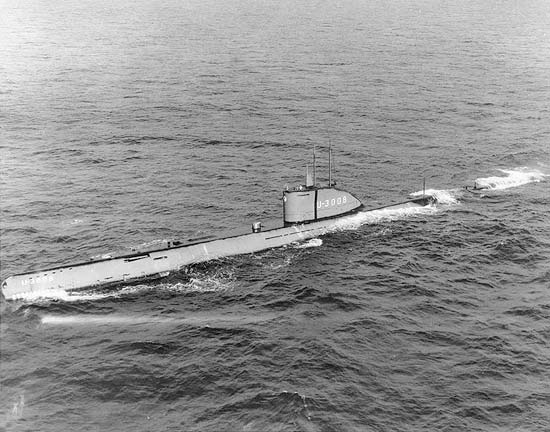
What were U-boats?
German submarines
American submarines
German battleships
Liberty ships

The Zimmerman Note proposed an alliance between _____ and _____.
Italy, Canada
Japan, Germany
Germany, Mexico
the US and Germany

What is an armistice?
Agreement to stop fighting
repayment of war damages
Law passed by Congress in 1917 that required all men from ages 21 to 30 to register for the military draft
a declaration of victory

What are reparations, and which country was required to pay them?
payment of war damages, Germany
loans of money to warring nations, Italy
payment of war damages, Austria-Hungary

What was the Selective Service Act?
Law passed by Congress in 1917 that required all men from ages 21 to 30 to register for the military draft
law passed by Congress to stop fighting
law that allowed soldiers to choose how long and which branch to serve the US
What was the name of the British steamship that the Germans torpedoed which killed over 100 US citizens?
Lusitania
Prince William
King George
Queen Anne


United States
They became concerned about Russian expansion
They wanted to avoid membership in the League of Nations.
They still did not support going to war.
They were outraged over a possible German-Mexican alliance, & it became the overt act that led us to war.


The Luisitania was:
British passenger liner sunk in 1915 that helped sway American opinion of the war.
American citizens were lending money to the government to pay for the war.
Agreement to stop fighting
Treaty that ended WW I. It blamed Germany for WW I and handed down harsh punishment.

Liberty Bonds can be described as:
American citizens were lending money to the government to pay for the war.
Agreement to stop fighting
British passenger liner sunk in 1915 that helped sway American opinion of the war.
A form of warfare in which opposing armies fight each other from trenches dug in the battlefield.
who won the Schenck v U.S. court case
the U.S.
Schenck
Canada
louise
what amendment did the supreme court decide was not violated
the 1st amendment
the 2nd amendment
the 6th amendment
the 54th amendment
is freedom of speech limitless
no it has limits
yes thats what freedom means
yes but only in america
of course

Under what law was Schenck being charged?
Stamp Act
Espionage Act
Sister Act
Alien and Sedition Acts

What was the name of the doctrine established by Schenck?
Imminent Lawless Action
Temple of Doom
Clear and Present Danger
Prior Restraint
The United States became directly involved in World War I as a result of Germany's
negotiation of an alliance with Russia
threat to spread the war to the Middle East
resumption of unrestricted submarine warfare
acquisition of new African colonies
Which government action is directly related to the "clear and present danger" doctrine established in Schenck v. United States (1919)?
limiting the first amendment rights of antiwar protesters
rejecting membership in the League of Nations
banning immigration from western Europe
passage of the Prohibition amendment
"The question in every case is whether the words used are used in such circumstances and are of such a nature as to create a clear and present danger that they will bring about the substantive evils that Congress has a right to prevent. It is a question of proximity and degree. When a nation is at war, many things that might be said in time of peace are such a hindrance to its effort that their utterance will not be endured so long as men fight, and that no Court could regard them as protected by any constitutional right. — U.S. Supreme Court Justice Oliver Holmes, Schenck v. United States, 1919"
Which statement describes the impact of this case?
This case established limits on the freedom of speech.
This case recognized the rights of the individual during a time of war.
This ruling led to an amendment being created to expand free speech.
This ruling determined the authorization needed for military mobilization
Growing nationalism and militarism and the creation of secret alliances were
reasons for the rise of democracy
causes for WWI
requirements for economic development
reasons for the collapse of communism
At the beginning of World War I, President Woodrow Wilson continued the traditional foreign policy of the United States by:
asking Congress to declare war against Germany
refusing to allow trade with either side
adopting a policy of neutrality
sending troops to aid Britain and France
President Woodrow Wilson's statement "The world must be made safe for democracy" was made to justify his decision to
end United States imperialism in Latin America
support tariff reform
send troops into Mexico to capture Pancho Villa
ask Congress to declare war against Germany
The Espionage Act (1917) and the Sedition Act
(1918) were used by President Woodrow Wilson's administration during World War I to
discourage congressional support for the war effort
place German Americans in internment camps
remove Communists from government positions
silence critics of the war effort
Women during WWI
stayed at home where they were needed with most of the men at the war.
worked into factories and traditional men’s jobs because men were at war.
were discriminated even more against because they were alone.
had trouble finding men, since most of them were fighting in the war.
In 1919, European boundaries were changed in an attempt to
satisfy the demands for self-determination by ethnic nationalities
allow for a communist expansion in Eastern Europe
establish a European common market
balance economic needs and natural resources
The last point of the Fourteen Points, which Wilson considered the most important, called for
freedom of the seas
low tariffs
German reparations
A general association of nations to keep peace
"Make the world safe for democracy" "War to end all wars"
Who was the US President during World War I ?


Which propaganda poster pictured below does not belong?


Which headline below illustrates the immediate short term cause of World War I?



