
Font size
 Worksheets
Unit 5, Lesson 3 Resource Use
Total questions: 48
Worksheet time: 35mins
Mr. Finlayson’s class is studying resources. They are studying coal, oil, and natural gas. Which type of resources are they studying? Circle the letter of the correct answer.
products
fossil fuels
renewable resources
human-made resources
Which statement is true about all nonrenewable resources? Circle the letter of the correct answer.
A. They are fossil fuels.
B. They can be used up.
C. They must be mined.
D. They are used for fuels.
One resource people use is fossil fuels, which take a long time to form.
renewable
nonrenewable
The gas we put in our cars.
A. renewable
B. nonrenewable
Cars that use energy from the sun to move.
A. renewable
B. nonrenewable
Some power plants use coal, which is mined to make electricity.
A. renewable
B. nonrenewable
Some power plants use wind to turn the blades of turbines to generate electricity.
renewable
nonrenewable
How might an increase in the population of humans affect the wildlife in the area?
Habitat loss
Increased pollution
Greater competition for natural resources
It would have no effect on wildlife
What is one reason we SHOULD NOT use fossil fuels?
They are expensive
They smell bad
They cause pollution
They do not fit in my house
Which of the following is a renewable resource used to generate electricity?
D. Nuclear energy
B. Natural gas
A. Solar energy
C. Coal
Which of the following resources is considered nonrenewable?
A. Wind
B. Solar
C. Oil
D. Hydroelectric
Which of the following is a disadvantage of using nonrenewable resources?
B. They are inexpensive
D. They are easy to extract
A. They are abundant
C. They can cause environmental harm
What is a common characteristic of renewable resources?
A. They are finite
B. They can be replenished naturally
D. They are mined from the earth
C. They are always available
Which of the following is NOT a fossil fuel?
A. Coal
B. Natural gas
C. Wind
D. Oil
Coal, oil, and natural gas are examples of
human-made resources
fossil fuels
products
renewable resources
Nonrenewable resources can be used up
true
false
Nonrenewable resources must be mined
true
false
ALL nonrenewable resources are used for fuel
true
false
Burning coal pollutes the air and ecosystems
true
false
How is water distributed on earth in terms of freshwater and saltwater?
97% saltwater & 3% freshwater
3% saltwater & 97% freshwater
93% saltwater & 7% freshwater
7% saltwater & 93% freshwater
A natural resource that can be replaced at the same rate at which the resource is consumed
nonrenewable resource
renewable resources
fossil fuels
pollution
Resources that are obtained from the earth
global warming
pollution
natural resources
nature's bounty
As population increases, use of natural resources usually...
Increases
Decreases

What type of energy generates from natural sources that can be replaced over a relatively short time scale?
Kinetic Energy
Renewable Energy
Nonrenewable Energy
Potential Energy

What does the sun/solar do for us?
use wind to help create renewable energy
transform the sun's rays into energy
uses food to make electricity
is vital for turning water into drinking

The sun is the main source of all energy on Earth.
true
false

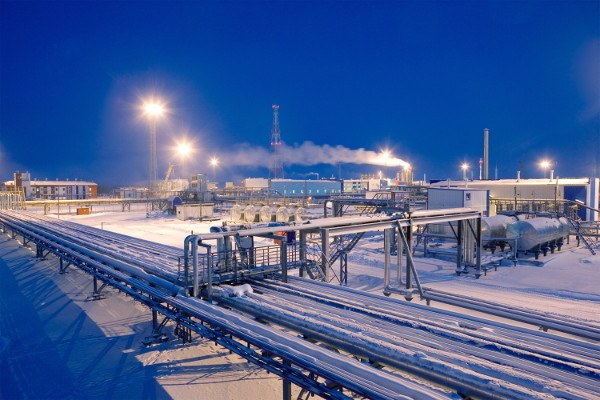
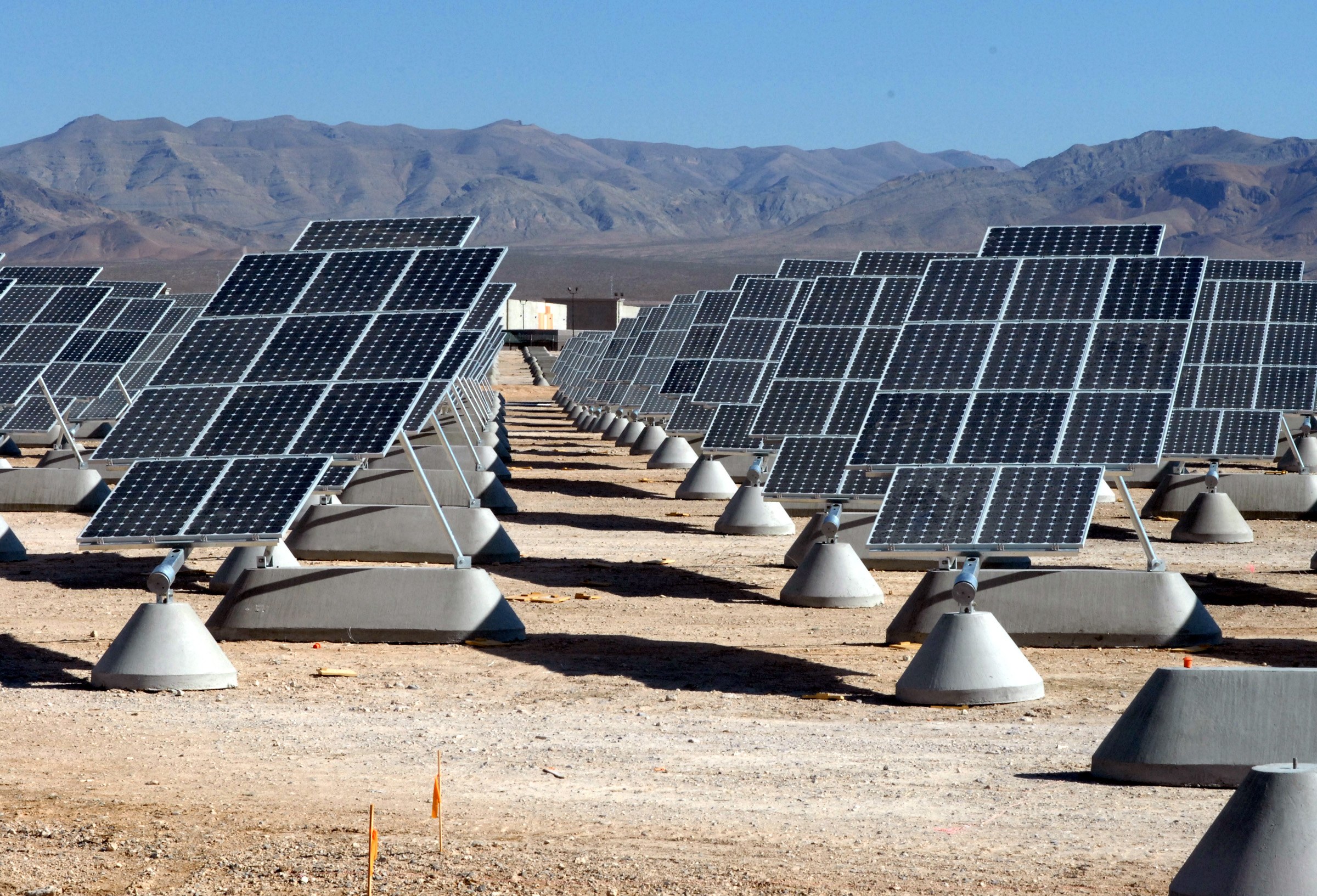

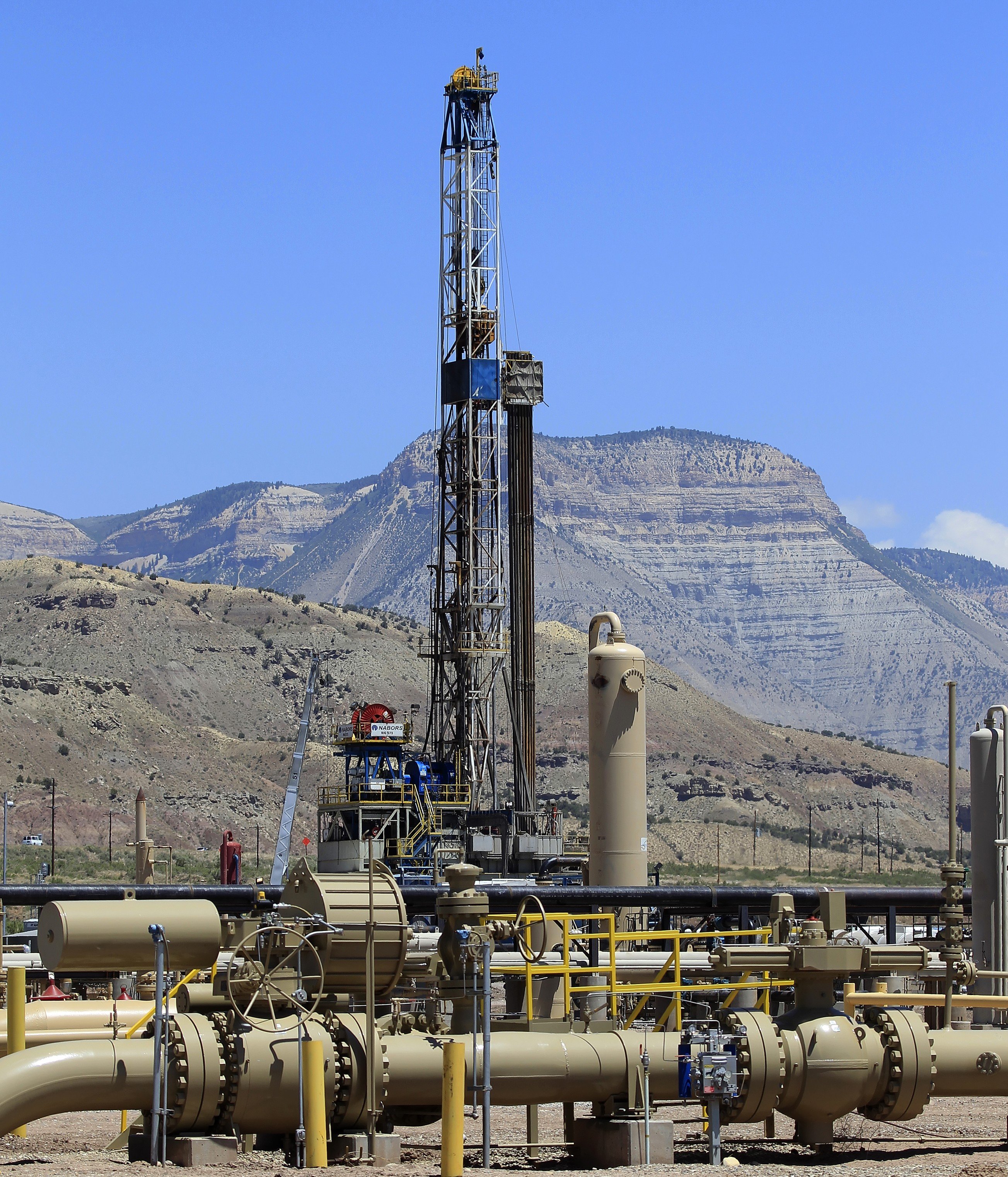
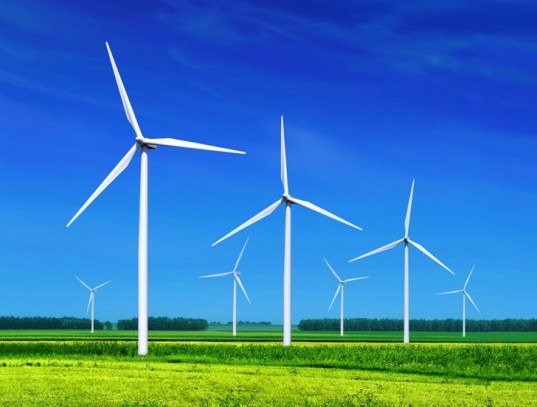
What is an example of a renewable resource?
water (hydroelectric)
oil
coal
fossil fuel


Trees are renewable resources.
True
False

Coal is a renewable resource.
True
False

Oil is a renewable resource.
True
False

Water is a renewable resource.
True
False

The sun is a renewable resource.
True
False

Gold is a renewable resource.
True
False

Minerals are renewable resources.
True
False
What is an artificial way to water crops called?
silt
irrigation
irritation
rain
Why is it important for a water filter to have multiple layers and be used multiple times?
Because each layer removes different kinds of dirt, and filtering multiple times makes the water even cleaner
to make the water flow faster
Because water needs to rest before it is safe to drink
Because filtering once is never enough to clean any water

