
NEW
Font size
 Worksheets
Nutrients and your body
Total questions: 60
Worksheet time: 30mins
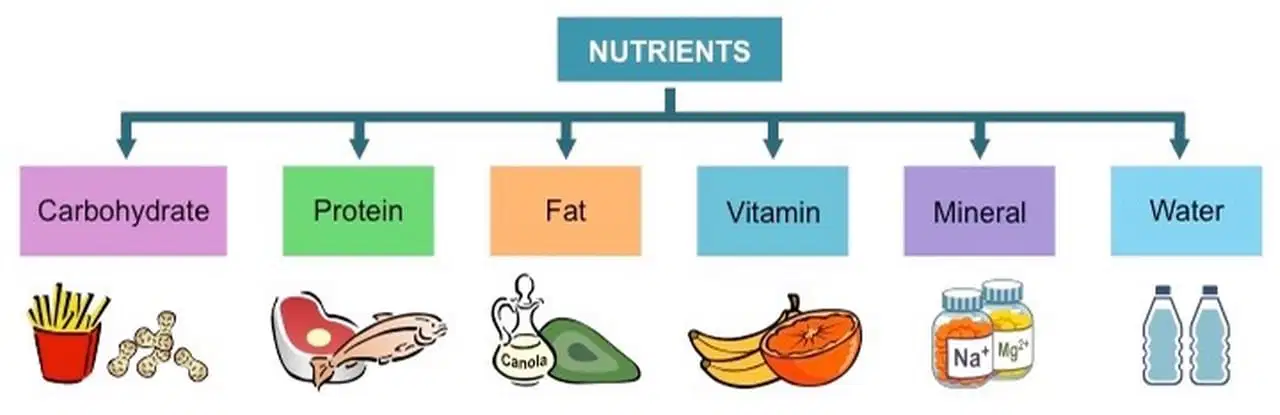
Substances in food that your body needs to grow, have energy, and stay healthy.
Nutrients
Amino Acids
Carbohydrates
Shortage of a nutrient
nutrition
nutrient deficiency
protein
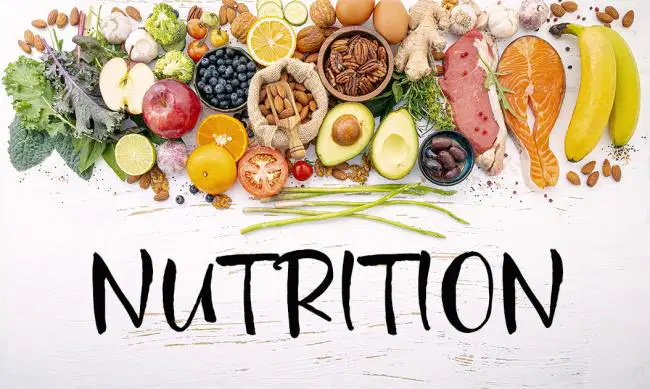
The process of taking in food and using it for energy, growth, and good health.
cholesterol
nutrients
nutrition
Nutrient group used to build and repair cells.
fiber
proteins
carbohydrates

Chemical building blocks that make up proteins
nutrients
vitamins and minerals
amino acids
Starches and sugars found in food
Carbohydrates
Nutrition
Proteins
A complex carbohydrate
fiber
protein
fats
Nutrients that promote normal growth, give you energy, and keep your skin healthy
fats
cholesterol

Foods like butter, cheese, and many meats are high in saturated fats.
True
False
A kind of fat formed when hydrogen is added to vegetable oil during processing
unsaturated fats
trans fatty acids
polyunsaturated fats

Fats that usually remain liquid at room temperature and can lower the risk of heart disease.
saturated fats
trans fatty acids
unsaturated fats
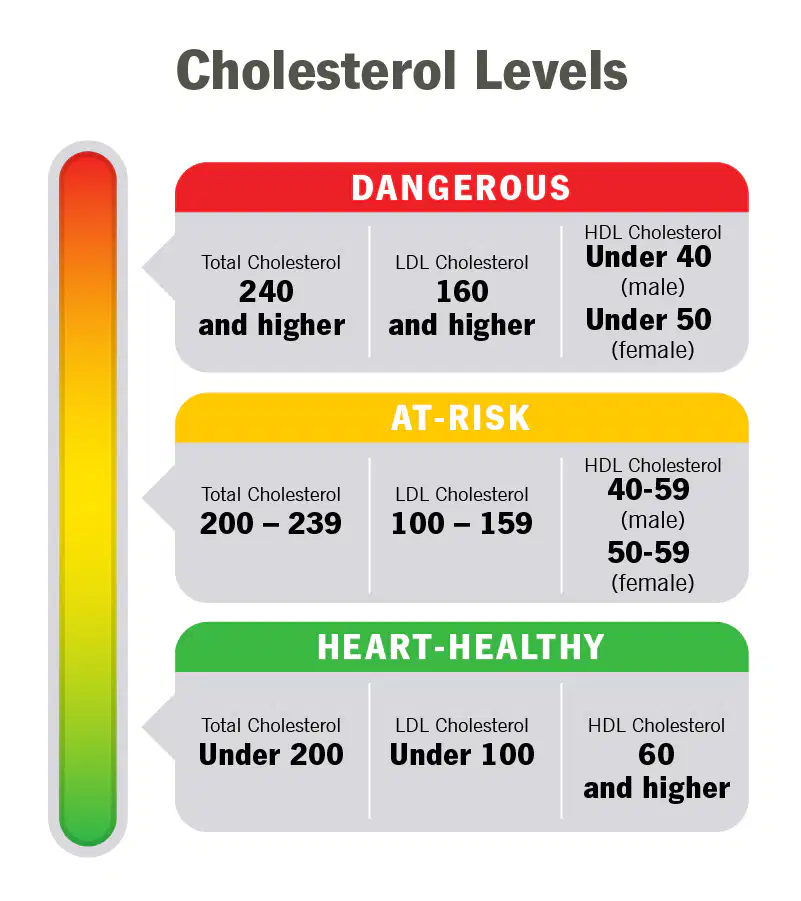
A waxy, fat-like substance that the body uses to build cells and make other substances.
fiber
cholesterol
vitamins
Compounds that help to regulate body processes, fight disease, and produce energy.
vitamins
caffeine
appetite
Substances the body uses to form healthy bones and teeth, keep blood healthy, and keep the heart and other organs working properly.
minerals
sugar
digestion

You need to eat a variety of foods each day.
True
False
Nutrients can be grouped into ______ main classes.
two
four
six
Nutrients can be divided into six main classes. They are proteins, carbohydrates, fats, vitamins, minerals, and ______.
sugars
water
digestions
Foods containing _______ aid in the repair of tissues.
protein
carbohydrates
What do a steamy plate of spaghetti, and a ripe peach have in common?
carbohydrates
protein
Sugars that provide energy to the body.
fats
proteins
carbohydrates

Most plant foods are missing at least one _______
amino acid
protein
carbohydrate
Even as you sleep, your body continues to use energy.
True
False
About 45-65 percent of your daily energy needs come from ______
proteins
carbohydrates
fats
Two types of carbohydrates are found in foods: simple and complex.
True
False
Simple carbohydrates are _______
sugars
fats

Simple carbohydrates occur naturally in foods like fruit, milk, and honey.
True
False
Perhaps
__________ carbohydrates are starches, which are made up of long chains of sugar linked together.
Complex
Simple
Any ______ that are not used are stored as body fat.
nutrients
proteins
sugars
Sugars that occur naturally in foods, such as fruit, are a less healthy choice than those found in processed foods, such as cookies.
True
False

A complex carbohydrate that cannot be digested.
fish
fiber
vitamins
You should avoid all foods containing fat.
True
False
Over time, eating too many saturated fats can increase your risk of health problems.
True
False
There are ____ types of cholesterol.
two
four
six

A good source of potassium
red mead
bananas
eggs
A good source of calcium
red meat
bananas
milk
Contributes to healthy blood
Vitamin A
Calcium
Iron
Important for good vision and healthy skin.
Vitamin A
Potassium
Calcium
A good source of Vitamin C
milk
oranges
fish
Essential to every body function
fiber
potassium
water
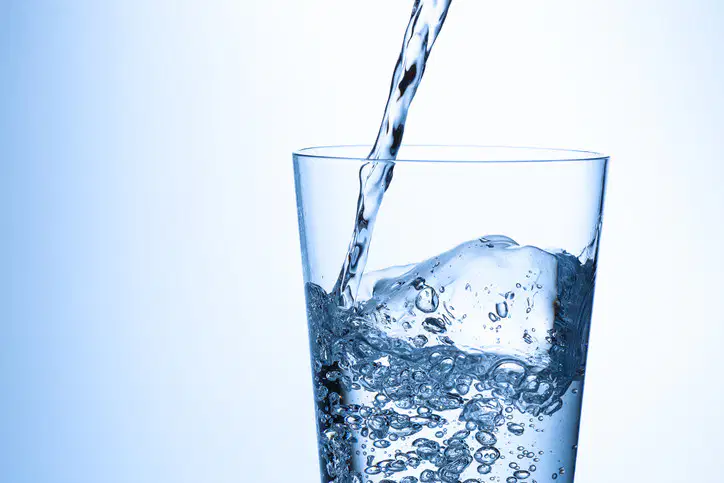
Teen boys should drink about ____ cups of water each day.
3
8
13

Teen girls should drink about ____ cups of water per day.
2
5
9
Which nutrient is essential for building and repairing muscles?
Carbohydrates
Proteins
Fats
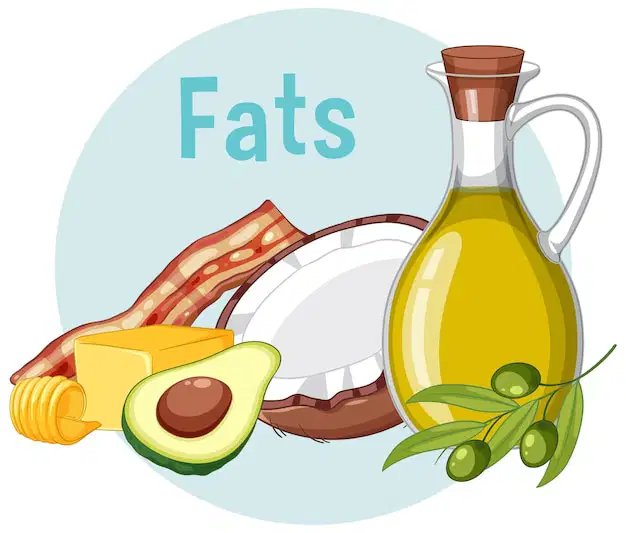
Which of the following is a source of healthy fats?
Butter
Processed cheese
Olive oil
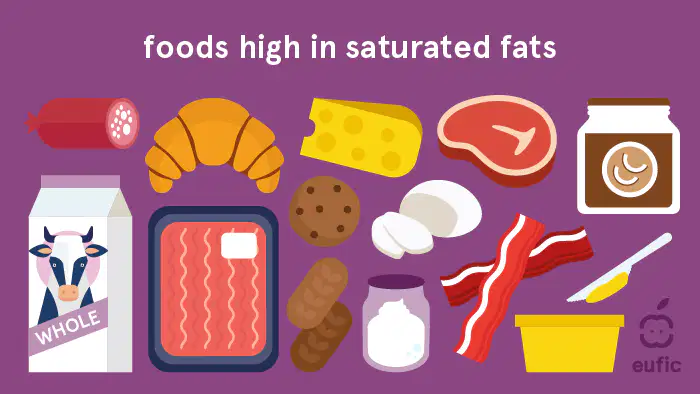
Saturated fats are solid at room temperature.
True
False
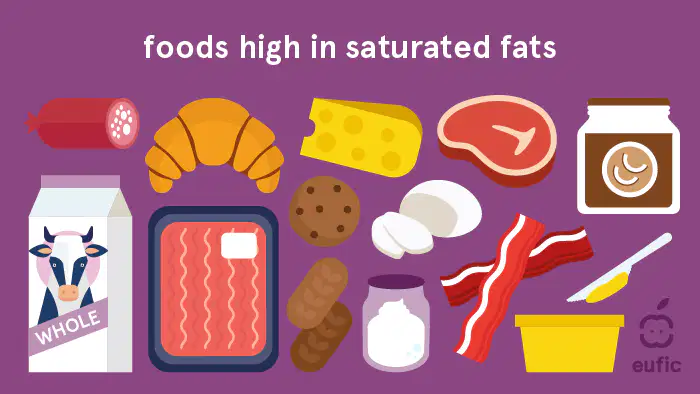
Saturated fats are found in animal products like beef, pork, milk, and cheese.
True
False

A deficiency in which mineral can lead to osteoporosis?
Calcium
Iron
Magnesium
Which vitamin is essential for strong bones and helps the body absorb calcium?
Vitamin B12
Vitamin C
Vitamin D
Which nutrient is primarily responsible for providing energy to the body?
Minerals
Carbohydrates
Proteins
Foods high in fiber help with which bodily function?
Digestion
Vision
Bone strength
Which nutrient is primarily responsible for building and repairing body tissues?
Carbohydrates
Fats
Proteins
Which mineral is important for strong teeth and bones?
Iron
Calcium
Potassium
Which of the following is a source of complex carbohydrates?
Whole grain bread
Butter
White sugar
Which of the following nutrients helps regulate body temperature and supports metabolic processes?
Fat
Protein
Water
Which food is a good source of dietary fiber?
White bread
Butter
Apple
Which vitamin helps your body absorb calcium?
Vitamin B12
Vitamin C
Vitamin D
Which of the following is a source of healthy unsaturated fats?
Olive oil
Butter
Cream
Which nutrient is important for maintaining healthy skin and vision?
Iron
Vitamin A
Calcium
The carnivore diet primarily consists of:
Fruits and vegetables
Animal-based foods only
Low-fat dairy and cereals
A vegan diet excludes:
Only red meat
All animal products
Only dairy products
Many vegetarians still consume:
Beef
Fish only
Eggs and dairy

