
 Worksheets
Electronics_Q3_PT
Total questions: 40
Worksheet time: 31mins
What is the main characteristic of an AM signal?
The amplitude of the carrier wave varies according to the modulating signal.
The bandwidth of the signal is constant regardless of the modulating signal.
The phase of the carrier wave is altered by the modulating signal.
The frequency of the carrier wave changes with the modulating signal.
How does the frequency of an FM signal change?
The frequency of an FM signal changes with the phase of the modulating signal.
The frequency of an FM signal changes with the amplitude of the modulating signal.
The frequency of an FM signal remains constant regardless of the modulating signal.
The frequency of an FM signal is determined solely by the carrier wave frequency.
What is the typical bandwidth of an AM signal?
The typical bandwidth of an AM signal is half the modulating frequency.
The typical bandwidth of an AM signal is twice the modulating frequency.
The typical bandwidth of an AM signal is equal to the modulating frequency.
The typical bandwidth of an AM signal is three times the modulating frequency.
Name one common application of AM radio.
Transmitting emergency weather alerts
Playing music from vinyl records
Broadcasting news and talk radio programs
Streaming video content online
What is the primary advantage of FM over AM?
FM has better sound quality and is less susceptible to noise than AM.
FM uses less bandwidth than AM.
FM is easier to broadcast than AM.
FM has a longer range than AM.
How does noise affect AM signals compared to FM signals?
FM signals are more affected by noise than AM signals.
Both AM and FM signals are equally affected by noise.
Noise has no effect on either AM or FM signals.
Noise affects AM signals more severely than FM signals due to AM's reliance on amplitude, while FM is more resilient because it encodes information in frequency.
What type of modulation is used in television broadcasting?
Pulse Width Modulation (PWM)
Frequency Modulation (FM)
Amplitude Modulation (AM) for analog TV; Quadrature Amplitude Modulation (QAM) for digital TV.
Phase Modulation (PM)
List one application where FM is preferred over AM.
Music broadcasting
Data transmission
Emergency communication
News broadcasting
What is the modulation index in AM?
The modulation index is the frequency of the modulating signal.
The modulation index is the total power of the AM signal.
The modulation index in AM is the ratio of the peak amplitude of the modulating signal to the peak amplitude of the carrier signal.
The modulation index is the difference between the carrier and modulating frequencies.
How does the amplitude of an AM signal vary?
The amplitude of an AM signal is determined solely by the carrier frequency.
The amplitude of an AM signal varies with the modulating signal's amplitude.
The amplitude of an AM signal remains constant regardless of the modulating signal.
The amplitude of an AM signal decreases with increasing frequency of the modulating signal.
What is the effect of distance on AM signal quality?
Distance has no effect on AM signal quality.
Increasing distance improves AM signal clarity.
Distance enhances the fidelity of AM signals.
Distance negatively affects AM signal quality, leading to increased noise and distortion.
In what scenario is FM commonly used in communication?
FM is commonly used in radio broadcasting.
FM is commonly used in telephone systems.
FM is mainly utilized in fiber optic networks.
FM is primarily used for satellite communication.
What is the main disadvantage of AM signals?
High bandwidth requirement.
Limited range of transmission.
Susceptibility to noise and interference.
Better sound quality than FM signals.
How does the carrier frequency relate to FM modulation?
The carrier frequency is irrelevant to the modulation process.
The carrier frequency is fixed and does not change in FM modulation.
The carrier frequency is only used in AM modulation, not FM.
The carrier frequency is the central frequency that is varied in FM modulation based on the input signal.
What is one reason AM is still used today despite FM's advantages?
FM's ability to broadcast over longer distances.
AM's superior sound quality compared to FM.
AM radio's longer range and better building penetration.
AM's lower production costs for radio stations.
These are usually holders of energy formed by the movement of charged particles such as electrons.
(a)
The maximum displacement or distance moved by a point on a vibrating body from its resting position.
(a)
The distance between successive crests of a wave.
(a)
The number of waves that pass a fixed point in each amount of time.
(a)
The process of sending and propagating an analog or digital signal using wired, optical, or wireless electromagnetic medium.
(a)
The process of changing the parameters of the carrier signal in accordance with the instantaneous values of the modulating signal.
(a)
The process of extracting the original information-bearing signal from a carrier wave.
(a)
It uses electronic filters to separate the desired radio frequency signal from all the other signals picked up by the antenna, an electronic amplifier to increase the power of the signal for further processing, and finally recovers the desired information through demodulation.
(a)
What does RADAR stands for?
(a)
What does LASER stands for?
(a)
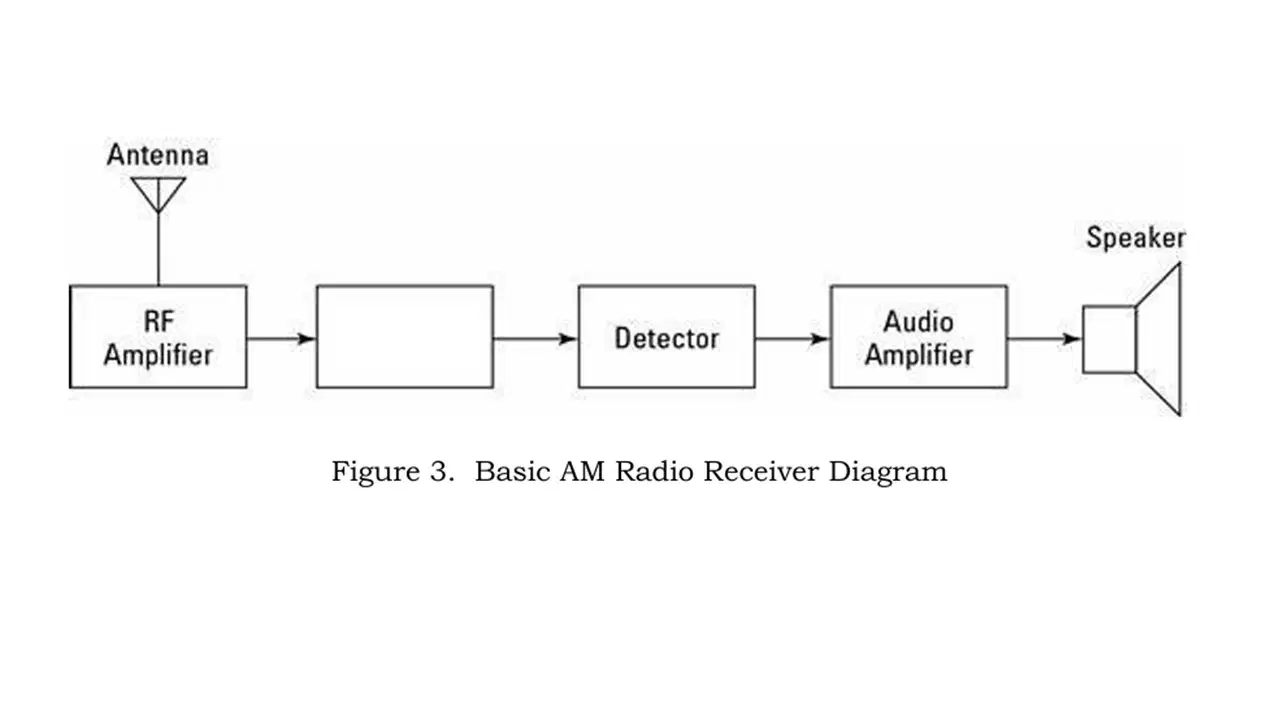
Which part is missing in the diagram?
(a)
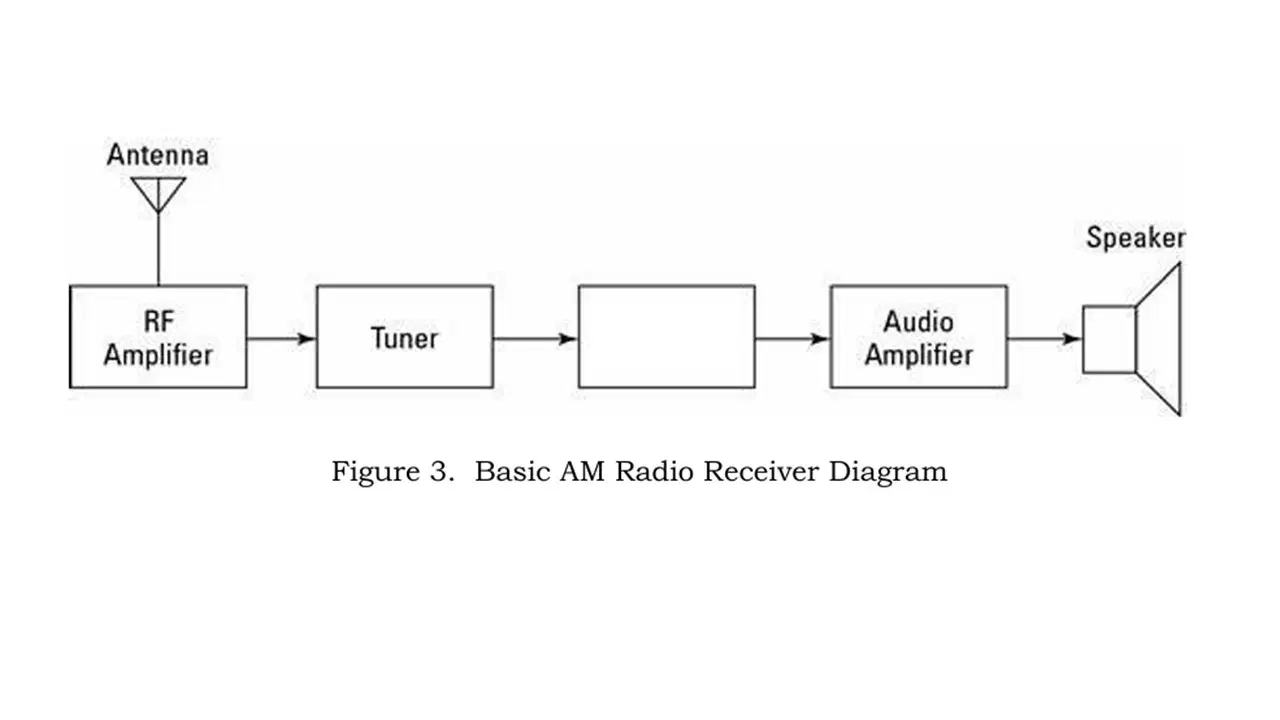
Which part is missing in the diagram?
(a)
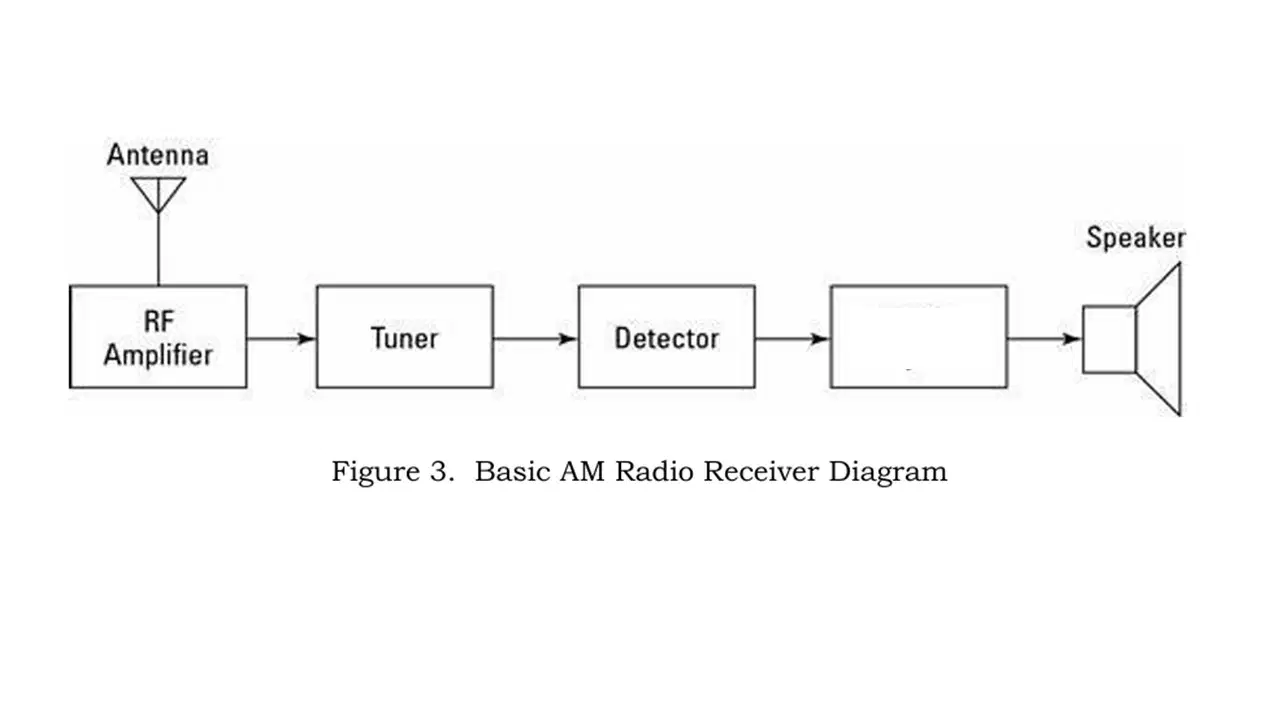
Which part is missing in the diagram?
(a)
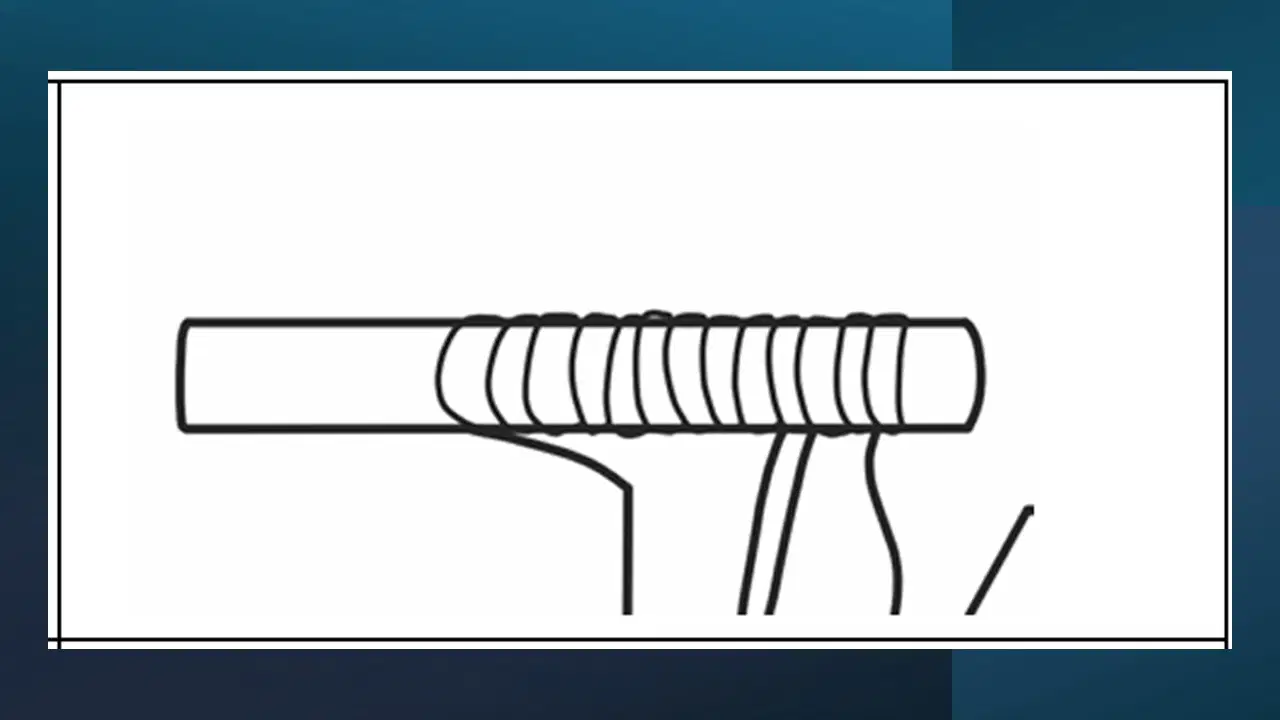
Name the device shown in the picture.
(a)
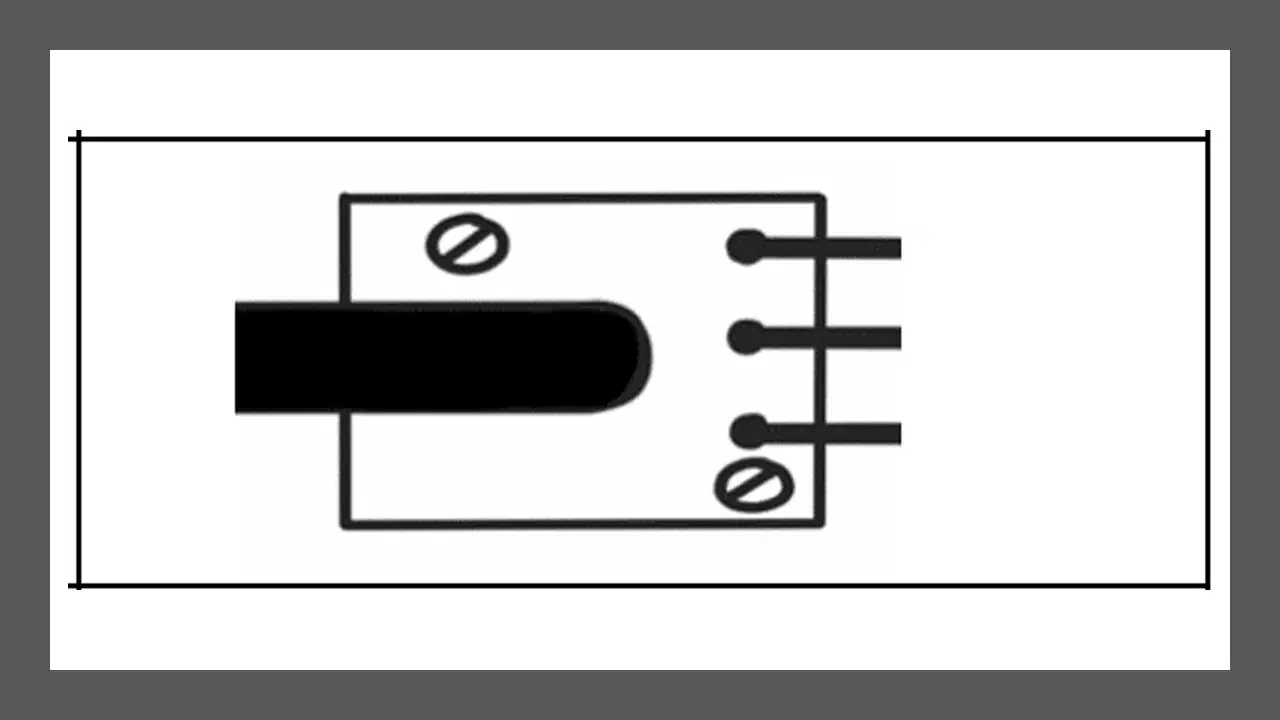
Name the device in the illustration.
(a)
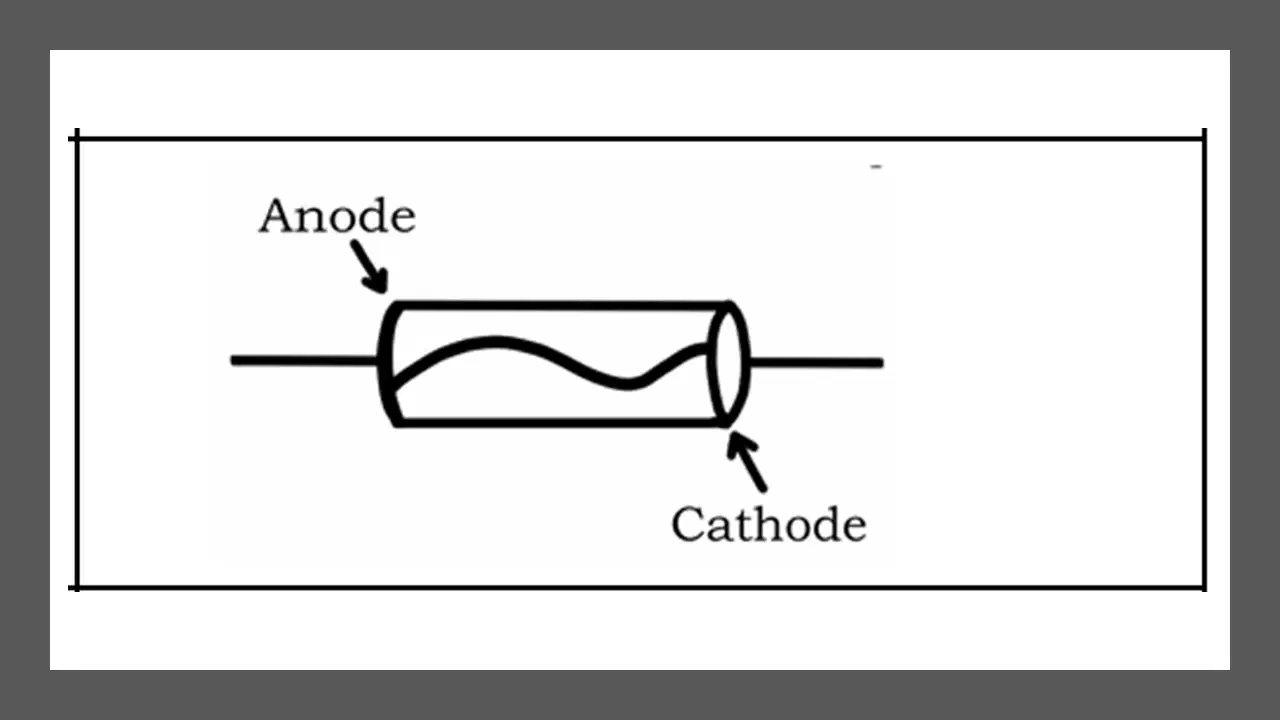
Name the device shown in the picture.
(a)
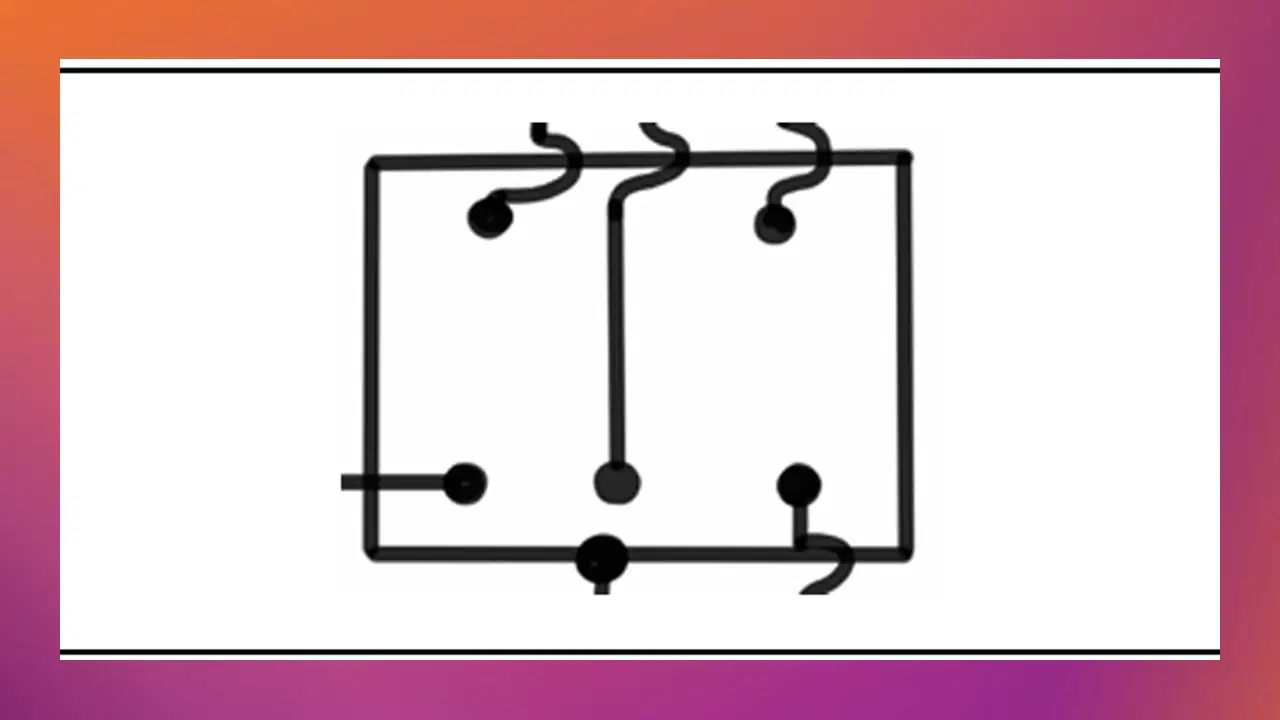
Name the device shown in the picture.
(a)
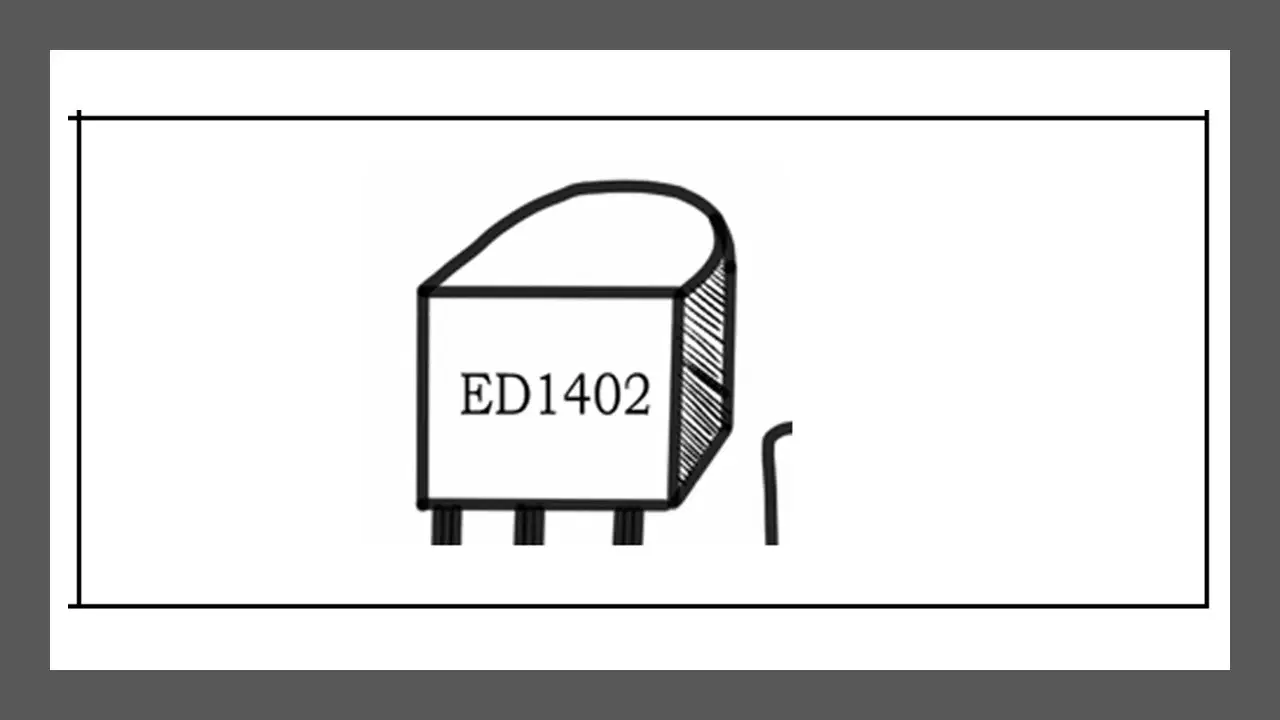
Name the device shown in the picture.
(a)

In the diagram of a foxhole radio, name the missing part.
(a)

Name the missing part of the fox hole radio diagram.
(a)
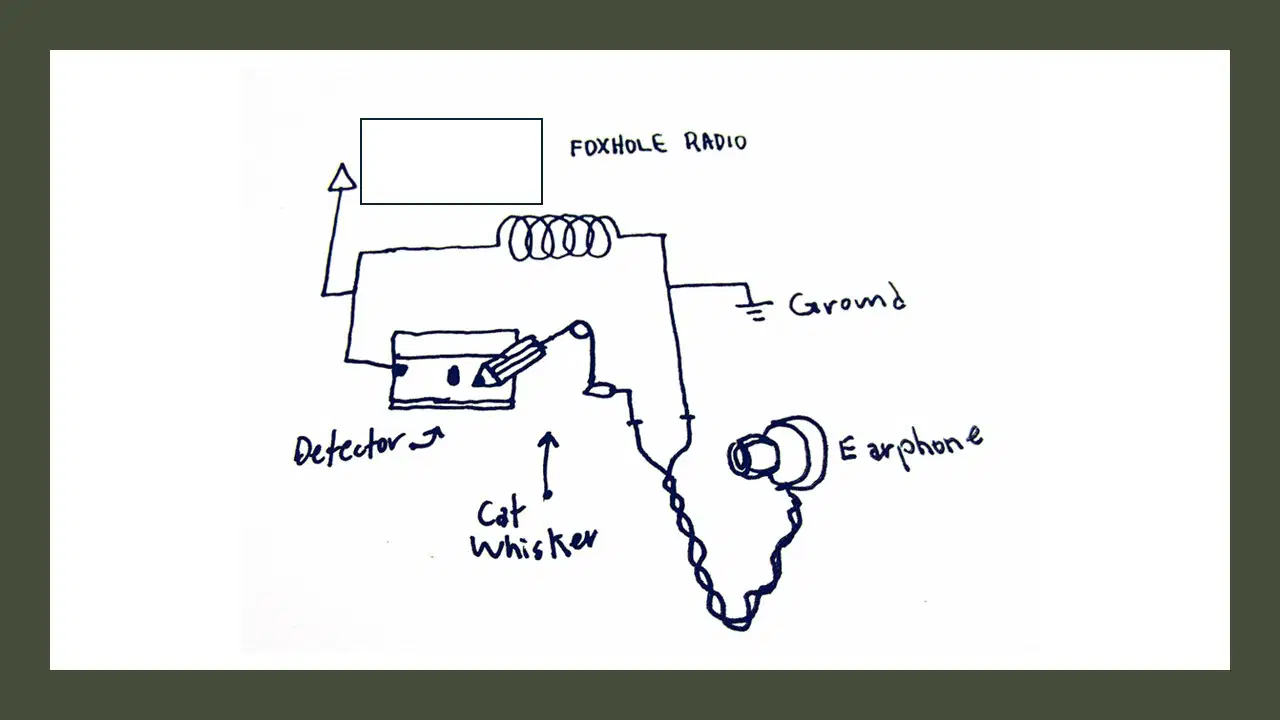
Name the missing part of a foxhole radio.
(a)

Name the missing part of a foxhole radio which is named after a part of a cat.
(a)
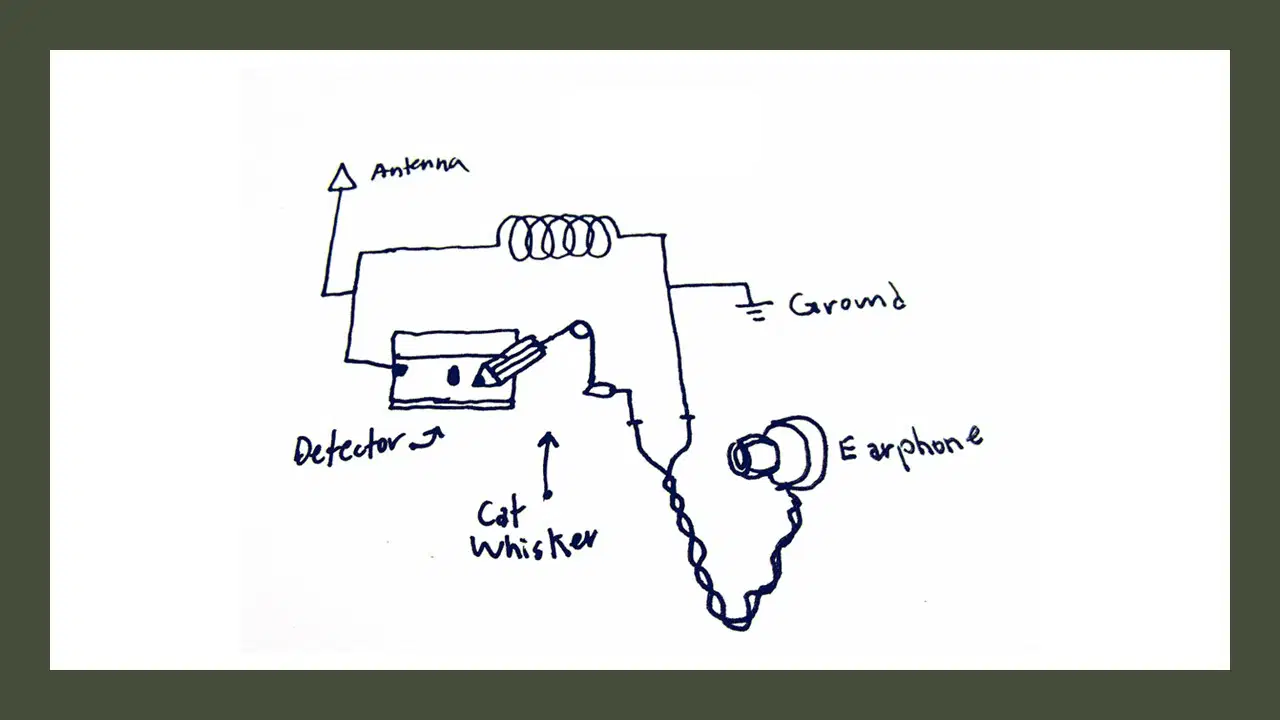
Name the type of radio diagram shown.
(a)
For five (5) points. Read the following statements and identity if it's a true or a false statement.
Reception of light is a substance used to produce the stimulated emission of
photons in a laser. It can be in gas, liquid, or semi-conducting material. Laser gain
media may vary from extended-length glass fibers to the submicron-length
semiconductor material.
(a)
Give the name of your school head. (Principal)
(a)

