
NEW
Font size
 Worksheets
diffusion Ace
Total questions: 20
Worksheet time: 2hrs 39mins
Diffusion is the natural movement of molecules from:
Areas of low concentration to areas of high concentration
Areas of high concentration to areas of low concentration
Cold to hot environments
Gaseous to liquid environments
What happens to the coffee particles when coffee is added to hot water?
They sink to the bottom of the cup
They spread out
They clump together
They freeze
Diffusion is the movement of particles from an area of _____ concentration to an area of ______ concentration
High, Low
Low, High
Low, Low
High, High
What is the definition of diffusion?
The movement of particles from an area of low concentration to an area of high concentration.
The movement of particles from an area of high concentration to an area of low concentration.
In which direction does diffusion occur, from high to low concentrations or from low to high concentrations?
from low to high concentrations
from high to low concentrations
in both directions simultaneously
it does not occur
What impact does temperature have on the rate of diffusion?
Temperature has no impact on the rate of diffusion.
Temperature decreases the rate of diffusion.
Temperature increases the rate of diffusion.
Diffusion is the movement of particles from an area of _____ concentration to an area of ______ concentration
High, Low
Low, High
Low, Low
High, High
What does “area of high concentration” mean?
Spread out
Tightly packed together
Uncrowded
Spacious
An increase in temperature does what to diffusion?
Speeds it up
Slows it down
Nothing
Stops it all together
When do molecules stop moving or vibrating?
When equilibrium is reached
Never
When the temperature is below 0 degrees Celsius
When the substance they are part of becomes a solid
Diffusion is the natural movement of molecules from:
Areas of low concentration to areas of high concentration
Areas of high concentration to areas of low concentration
Cold to hot environments
Gaseous to liquid environments
What is DIFFUSION?


Diffusion occurs only in solids
True
False
Diffusion occurs only in gases
True
False
The movement of particles is __________, resulting in the particles being spread throughout the container
Structured
In a straight line
Random
In curved, way motions
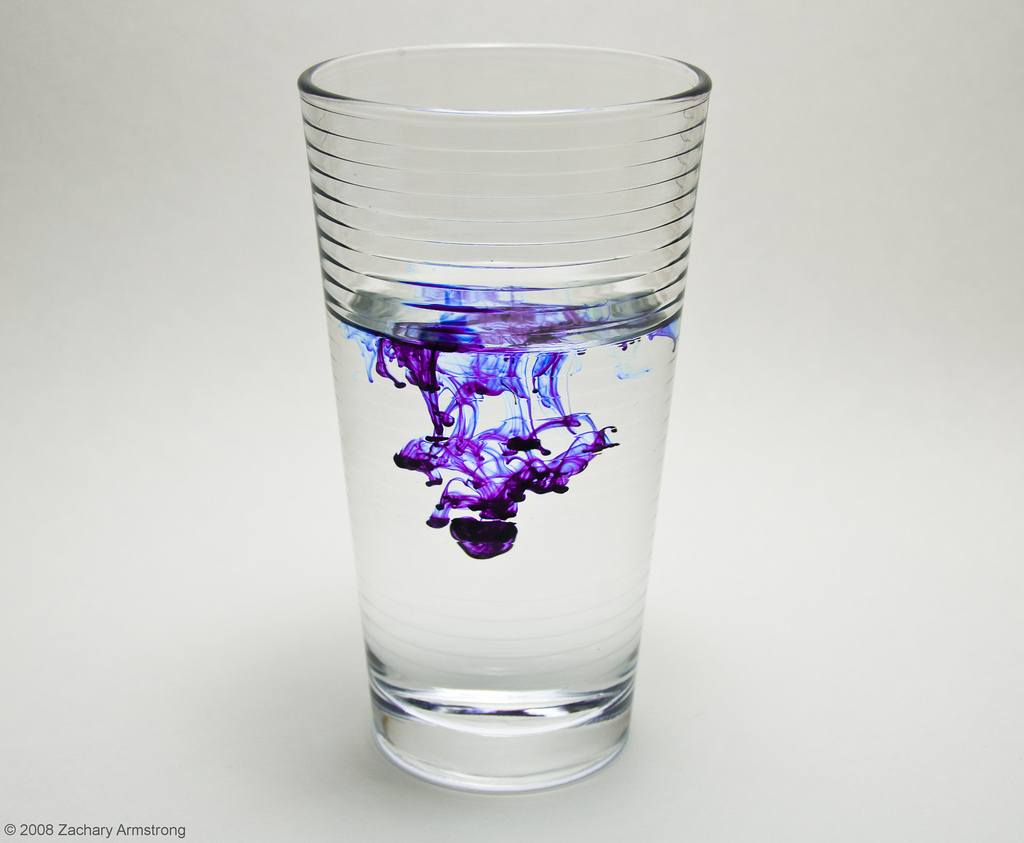
Where is there a low concentration of dye?
at the bottom of cup
in the color
at the top of cup
no concenteraion gradient
Diffusion is quicker/faster in ..................................
solids
liquids
gases

