
 Worksheets
Quiz T12/ Ln 1 (Mexican Revolution)
Total questions: 33
Worksheet time: 1hrs 7mins

The Mexican Revolution was a complex, protracted, and violent conflict that lasted for over a decade from (___-___)
1915-1925
1920-1930
1900-1910
1905-1915
1910-1920
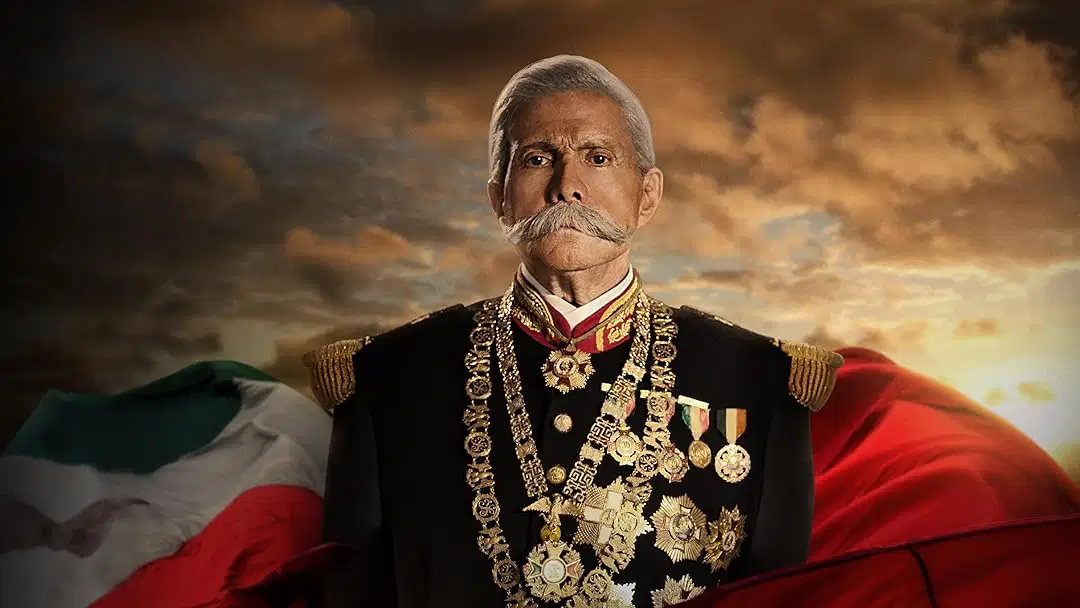
By 1910, the dictator ___ ___ had ruled Mexico for almost 35 years, winning re-election as president again and again. He welcomed foreign investors who developed mines, built railroads and drilled for oil.
Lázaro Cárdenas
Francisco Villa
Porfirio Díaz
Venustiano Carranza
Emiliano Zapata

Who was the Mexican president that implemented land reforms and nationalized the oil industry in the 1930s?
Porfirio Díaz
Venustiano Carranza
Francisco Villa
Lázaro Cárdenas
Emiliano Zapata
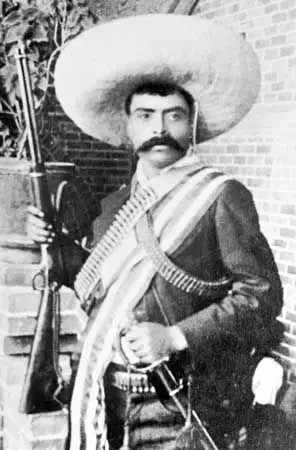
In southern Mexico, ____ led a peasant revolt. The battle cry of these rebels was 'Tierra y Libertad', 'Land & Freedom"
Lázaro Cárdenas
Francisco Villa
Porfirio Díaz
Emiliano Zapata
Venustiano Carranza

The majority of Mexicans were ___ or Indian peasants who lived in desperate poverty. Most worked on haciendas, large plantations.
landowners
factory workers
urban elites
mestizos
government officials
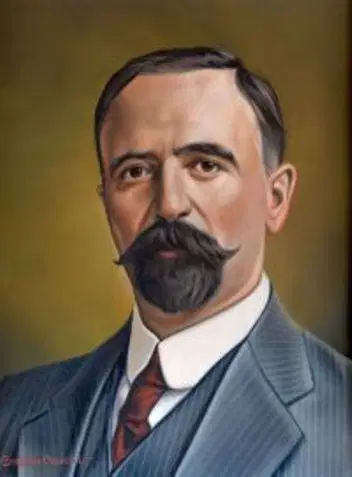
_____became Mexico's president (1911) after Diaz resigned. He was assassinated a few years later by one of his generals, Victoriana Huerta, who ruled as a military dictator.
Porfirio Diaz
Victoriano Huerta
Emiliano Zapata
Venustiano Carranza
Francisco I. Madero
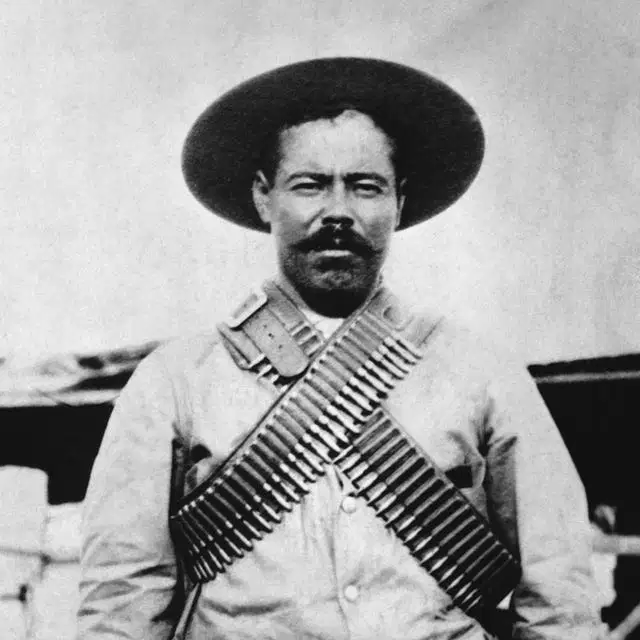
Which revolutionary leader was known for his role in the northern part of Mexico during the Mexican Revolution?
Venustiano Carranza
Porfirio Díaz
Lázaro Cárdenas
Francisco Poncho Villa
Emiliano Zapata

What was the primary goal of the Mexican Revolution that began in 1910?
Military expansion
Industrialization
Religious freedom
Land reform
Foreign investment

_____ means 'farmer' or 'peasant' in Spanish.
agricultor
ganadero
vigilante
campesino
hortelano
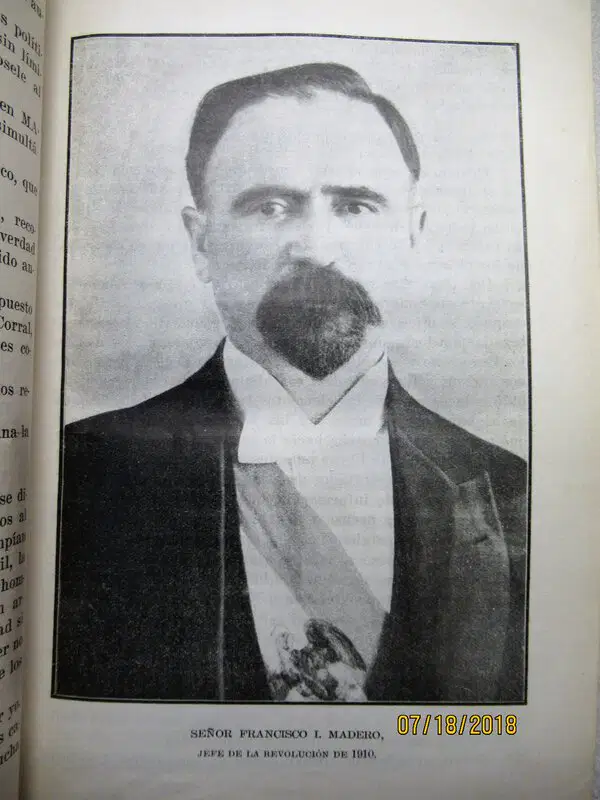
Which Mexican leader was known for his opposition to the dictatorship of Porfirio Díaz and later succeeded him as president?
Victoriano Huerta
Francisco I. Madero
Lázaro Cárdenas
Emiliano Zapata
Venustiano Carranza

________, a hard-riding rebel from the north, fought mostly for personal power but won the intense loyalty of his peasant followers. This leader formed an uneasy coalition with Zapata and Venustiano Carranza
Carranza
Madero
Pancho Villa
Zapata
Obregón
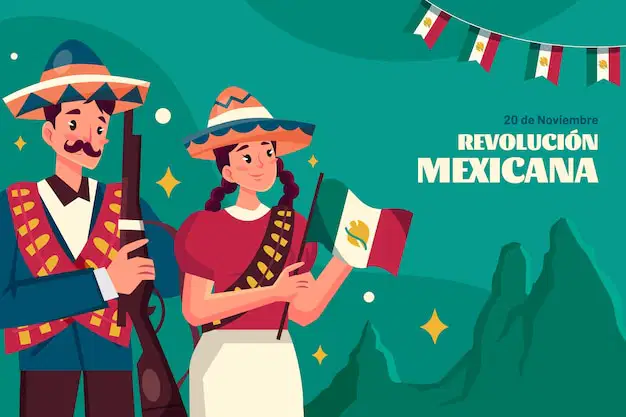
During the Mexican Civil War, Villa and Zapata broke with Carranza to form the _______ to fight against Carranza's Constitutionalist army. The United States and other foreign powers recognized the Carranza government, which drafted the Mexican Constitution of 1917.
Liberation Army
Campensinos
Federal Army
Adelitas
Conventionist Army
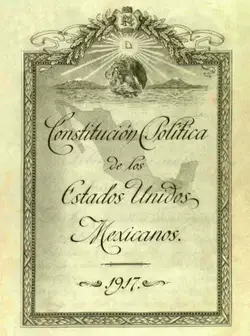
The ______ addressed three major issues: land, religion, and labor. It permitted the breakup of large estates, placed restrictions on foreigners owning land, and allowed nationalization, or government takeover, or natural resources. Church land was made the property of the nation. It set a minimum wage and protected the right of the workers to strike.
National Labor Relations Act
Mexican Constitution of 1917
Mexican Constitution of 1824
Land Reform Act of 1776
Agrarian Reform Law of 1940

During the revolution, President Woodrow Wilson of the United States twice sent troops to Mexico. In 1914, U.S. forces helped depose, remove, Huerta. In 1916, they tried to hunt down _____, whose raid into New Mexico had killed 16 Americans.
Francisco Franco
Emiliano Zapata
Pancho Villa
Hernán Cortés
Diego Rivera
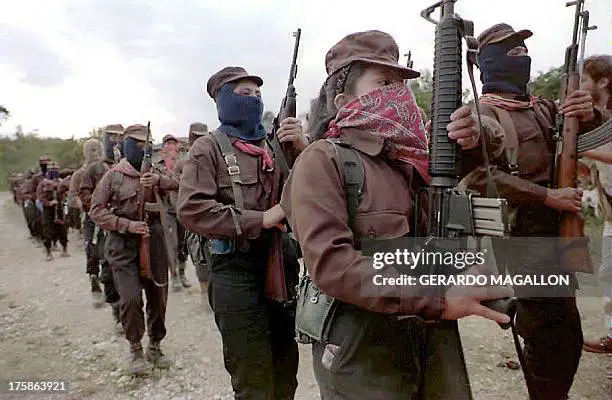
_____ is a far-left political and militant group that currently controls a substantial amount of territory in Chiapas, the southernmost state of Mexico
National Liberation Army (ELN)
Revolutionary Armed Forces of Colombia (FARC)
Zapatista Army of National Liberation (EZLN)
Chiapas Liberation Movement
The Shining Path
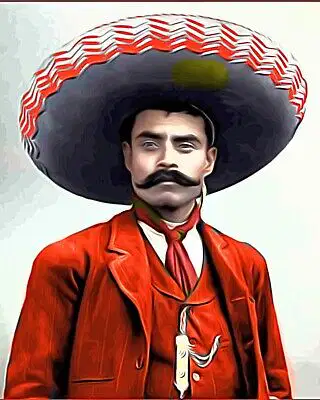
Which Mexican revolutionary leader was known for his advocacy of agrarian reform,the Plan de Ayala? He was assassinated in 1919.
Alvaro Obregón
Emiliano Zapata
Venustiano Carranza
Porfirio Díaz
Francisco Villa
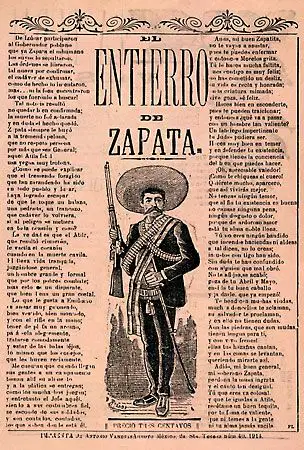
What was the significance of the Plan of Ayala during the Mexican Revolution?
It outlined the industrialization strategy for Mexico
It was a peace treaty with the United States
It was a call for foreign investment in Mexico
It proposed the nationalization of the oil industry
It was a manifesto for land reform and redistribution
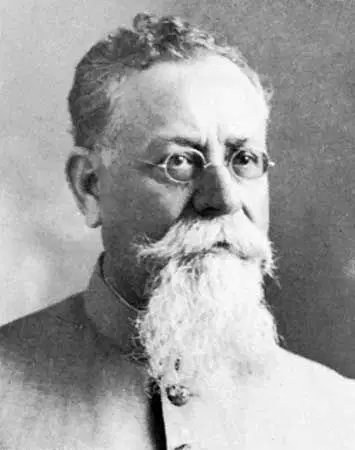
Who was the leader of the Constitutionalists during the Mexican Revolution, the side that gained control over the government?
Emiliano Zapata
Pancho Villa
Francisco I. Madero
Venustiano Carranza
Porfirio Díaz

_____called for the end of land reform in 1992, resulting in revival of the Zapatista movement and the Zapatistas declaring war on the government of Mexico in 1994.
Salma Hayek
An amendment of Article 27 of the Constitution
Ernesto Zedillo
The Zapatista Army
The United States
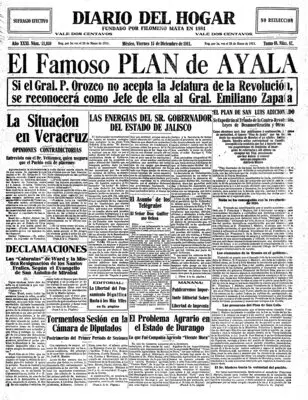
Zapata published the ______, which called for the continuation of the revolutionary struggle against Madero, whom he deemed a traitor. It explicitly called for agrarian reform.
Plan de Ayala
Madero's Reform Plan
Revolutionary Agrarian Law
Zapatista Manifesto
Plan de San Luis Potosí
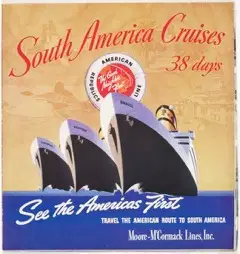
The main principles of the ________ policy in 1938 were non-interference in the domestic affairs of Latin America and redefining the way North Americans perceive Latin Americans, both politically and racially
Monroe Doctrine
Isolationist Policy
Open Door Policy
Good Neighbor Policy
Roosevelt Corollary

Who was the Mexican leader known for land reform and his role in the nationalization of the oil industry in the 1930s?
Lázaro Cárdenas
Venustiano Carranza
Emiliano Zapata
Porfirio Díaz
Pancho VIlla

In 1913, _____ took the presidency by military coup by deposing and assassinating President Madero . This man's regime was opposed by Zapata, Villa, and Venustiano Carranza. It was also opposed by United States, which occupied the strategic port of Veracruz.
Emiliano Zapata
Pancho Villa
Francisco Madero
Venustiano Carranza
Victoriano Huerta
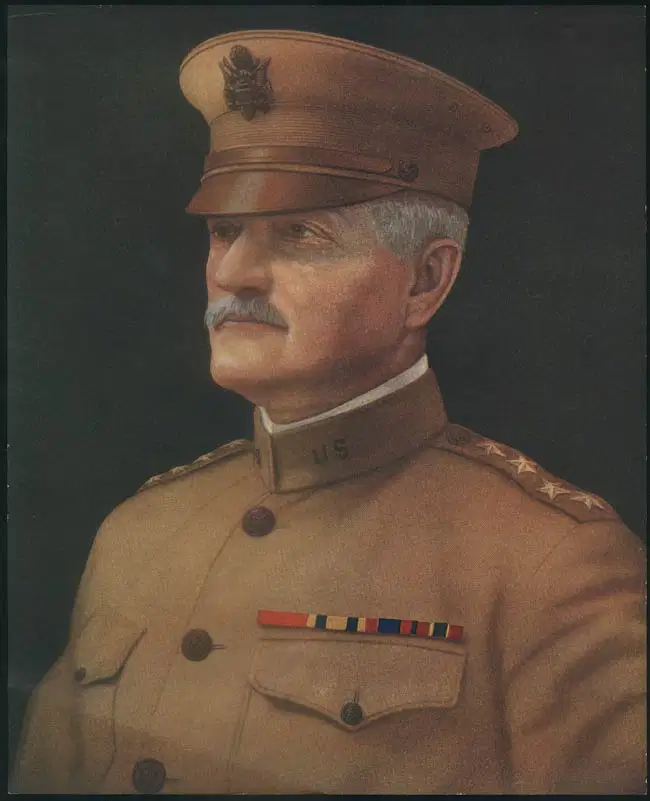
____ led a force of approx. 10,000 U.S. soldiers; mostly cavalry and horse artillery, across the Rio Grande into Mexico in pursuit of Pancho Villa.
John J. Pershing
George Patton
Omar Bradley
Dwight D. Eisenhower
Douglas MacArthur
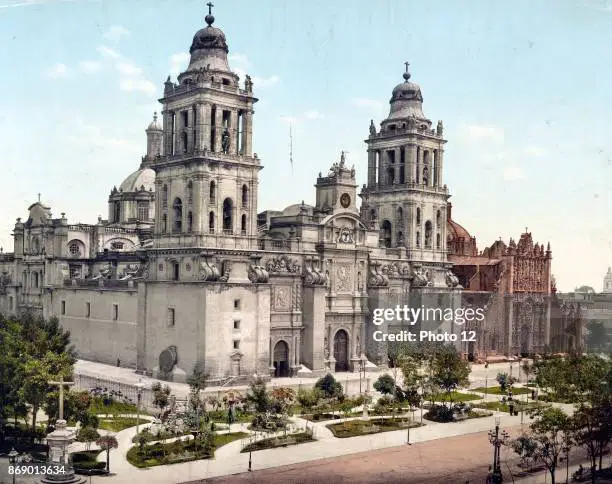
The Mexican Constitution of 1917 limits the power of the Roman Catholic Church.
True
False

____ was a Mexican military general, inventor and politician. As a Constitutionalist general, he defeated an army led by Pancho Villa during the civil war. He served as the President of Mexico from 1920 to 1924. He was re-elected to the presidency in 1928; but he was assassinated before he could take office
Pancho Villa
Emiliano Zapata
Venustiano Carranza
Lázaro Cárdenas
Alvaro Obregón
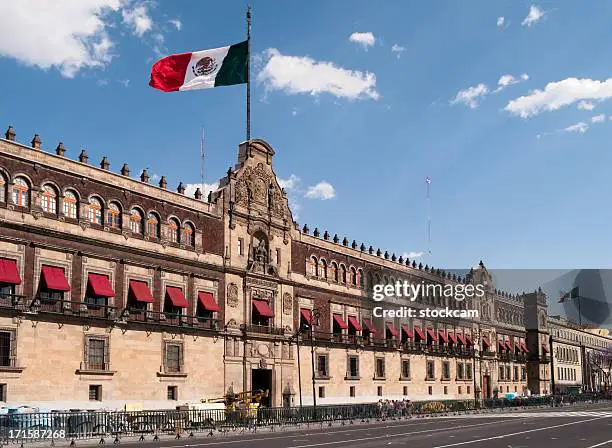
The Institutional Revolutionary Party held the Presidency and sometimes all the members of the Senate and the state governors; ruling as a _____ party for 71 years
three-party state
one-party state
oligarchic
bicameral
democratic

___ held power and controlled the presidency of Mexico for 71 years from 1929 to 2000 and from 2012 to 2018
National Action Party (PAN)
Party of the Democratic Revolution (PRD)
Revolutionary Workers' Party (PTR)
Green Party of Mexico (PVEM)
Institutional Revolutionary Party (PRI)
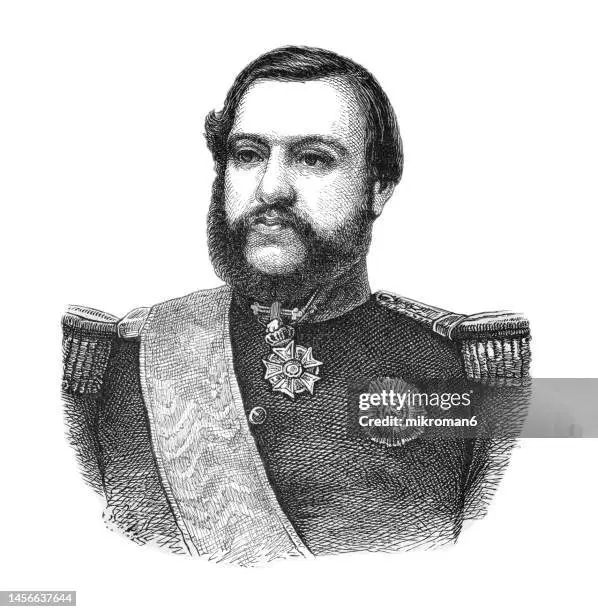
Francisco ______ became the president of Mexico in 1911 after Porfirio Diaz resigned under the threat of rebellion. He was murdered by one of his generals, Victoriano Huerta, two years later.
Madero

Mexico's Constitution (1917) permitted the breakup of large estates, placed restrictions on foreigners owning land, and allowed ________, or government takeover, of natural resources.
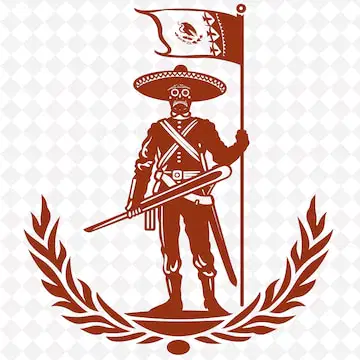
Approximately ____ people died has a result of conflict during the Mexican revolution that lasted from 1910 till 1920.
500 thousand
5 million
750 thousand
300 thousand
1 million
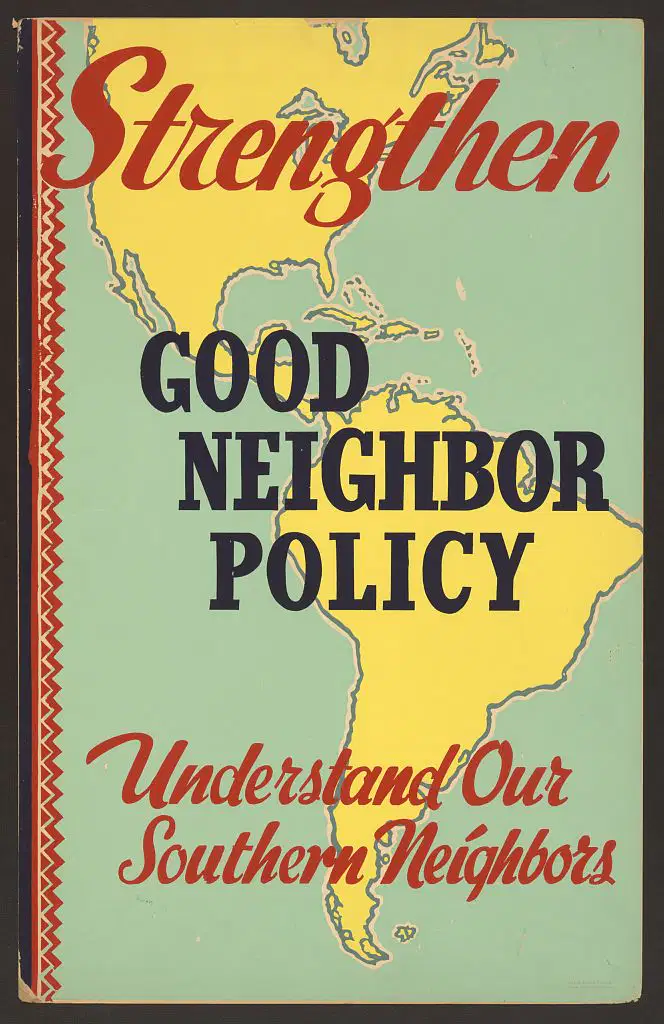
The United States adopted the "____ _______ Policy" under President Franklin Roosevelt in 1930s. As such, the United States agreed to stop interfering in the affairs of Latin American nations. This policy lasted until 1945.
Laissez Faire
Non-Intervention
Western Hemisphere
Good Neighbor

