
 Worksheets
The Main Requirements in Decommissioning
Total questions: 15
Worksheet time: 8mins
What is not required if a building is less than 50 cubic metres?
Planning permission
Risk assessment
Method statement
Isolation of services
Planning permission is required for unlisted buildings in which area?
Conservation area
Industrial area
Residential area
Commercial area
What services need to be isolated to prevent the release of toxic and explosive gases?
Gas, electricity, water supply, and telecommunications
Gas and electricity only
Water supply and telecommunications only
None of the above.
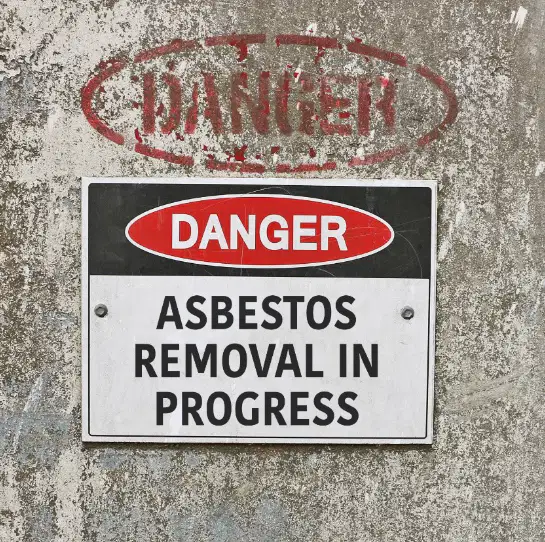
What measures need to be in place to prevent dangerous dusts such as asbestos from leaving the site?
Implementing proper containment and ventilation systems
Ignoring the presence of asbestos
Allowing dust to spread freely
Using regular cleaning methods
Entrapment in the context of demolition risks refers to:
being caught or trapped in machinery or debris during demolition activities.
the legal process of being charged with a crime related to demolition.
the financial loss incurred due to demolition delays.
the environmental impact caused by demolition activities.
Crushing can occur during the demolition process by:
Using heavy machinery to break down structures
Applying chemical agents to dissolve materials
Employing manual labor to dismantle parts
Utilizing explosives to implode buildings
Manual handling injuries in the context of demolition are:
Injuries caused by operating heavy machinery
Injuries resulting from handling materials manually
Injuries due to falling debris
Injuries from electrical hazards
What does selective demolition involve?
The demolition of an entire structure.
The removal of interior portions of a structure.
The removal of specific interior or exterior portions of a building while protecting the remaining structure.
The removal of walls, ceilings, pipes, etc.
Wrecking balls range from ______ to ______ pounds in weight. Fill in the blanks.
1000 to 2000
500 to 1500
2000 to 3000
3000 to 4000
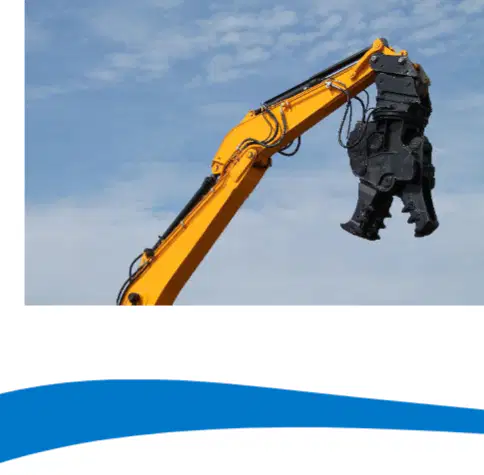
Which of the following tools is used in mechanical demolition?
A) Shears
B) Hammer
C) Drill
D) Saw
Site security is important in the process of removing demolition waste because:
it prevents unauthorized access and ensures safety.
it speeds up the demolition process.
it reduces the cost of demolition.
it enhances the aesthetic appeal of the site.
The isolation of services contributes to the removal of demolition waste by:
reducing contamination risks
increasing waste volume
complicating waste sorting
delaying waste removal
The benefits of removing hazardous waste during demolition include:
Improved safety and health conditions
Increased demolition costs
Longer demolition time
Reduced recycling opportunities
What is architectural salvage in the context of removing demolition waste?
A process of recycling materials from demolished buildings
A method of disposing of hazardous waste
A technique for constructing new buildings
A way to increase the cost of demolition
On-site processing of aggregates is a stage in removing demolition waste. What does this process involve?
Sorting and cleaning aggregates for reuse
Transporting aggregates to a landfill
Burning aggregates to reduce volume
Mixing aggregates with new construction materials

