Worksheets
Speed, velocity, acceleration, and motion graphs test review
Total questions: 45
Worksheet time: 50mins

Find the velocity of a plane that traveled 3000 miles west in 5 hours.
65 mph
600 mph
600 mph west
600 mph

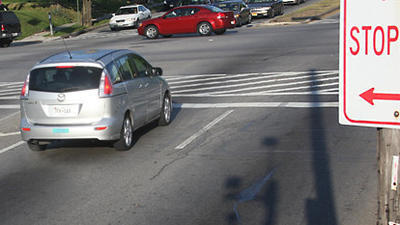
A stopped car begins moving and reaches a speed of 25m/s in 5 seconds. What is its acceleration?
+25m/s2
-0m/s2
+5m/s2
5m/s

A helicopter flies south 200 miles in 2 hours. What is its velocity?
99 mph
100 mph south
400 mph south
297 mph south
What two things must you know to determine speed?
distance and direction
direction and time
speed and direction
time and distance
What is your acceleration if you are riding your bike at 9 km/hr, and 10 minutes later your speed is 6 km/hr.
0.3 km/hr
30 km/hr
0.3 km/hr/hr
300 km/hr
Which of the following is an example of potential energy?
A glass jar sitting on a shelf
A flag waving in the wind
A ball rolling along the sidewalk
A battery powering a radio
At what speed would a car have to move in order to travel 20 kilometers in 2 hours.
5 km/hr
10 km/hr
20 km/hr
40 km/hr

The location on the track where the train has the greatest potential energy is....
1
2
3
4
Which of the following is an example of kinetic energy?
A baseball moving from the pitcher to the catcher
A rock sitting on top of a large hill
A pendulum at the top of it's swing
A new flashlight battery
Which of the following best describes the acceleration of an object?
50 m/s
50 m east
50 m/s east
50 m/s2
Dave runs 2000 m in 25 minutes. What is the speed?
90 mph
80 m/m
50 m/s
90 m/s
How do you calculate average speed?
distance divided by time
time divided by speed
speed divided by time
total distance divided by total time
A car travels 120 miles in 12 hours. What is the car's speed?
10 mph
10 m/s
240 mph
240 m/s
Speed in a given direction
acceleration
speed
velocity
average speed
Miles per hour north is an example of
average speed
acceleration units
velocity units
calculating speed
Change in speed or velocity over a specific amount of time
acceleration
velocity
average speed
speed
Which of the following best describes the velocity of an object?
50 m/s
50 m east
50 m/s east
50 m/s2

What are the units for acceleration?
m/s2
m
sec
s/m
Match the following graphs to the right description.

Speeding up

No acceleration (constant speed)

Slowing down
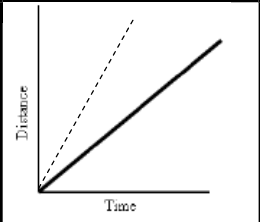
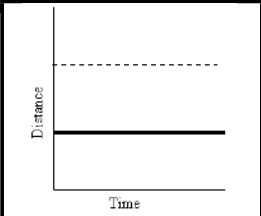


In which of the following graphs below are both runners moving at the same speed?


Why do the values on the graph form a straight line?
The speed is constant
The distance remains unchanged.
The direction of motion stays the same.
The speed gradually increases over time.

Describe the motion in the graph:
Constant Speed (positive slope)
Stopped (at rest)
Acceleration (increasing speed)
Return Home (negative slope)

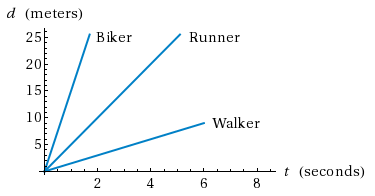
Which person moved the fastest in 3 seconds?
biker
runner
walker
they are all moving equally


Use the graph above and pick the most accurate description of the object's motion
object is moving at constant speed
object is speeding up
object is at rest
object is slowing down

Use the picture above to choose the most accurate description of the object's motion
object is at rest
object is slowing down
object is moving at a constant speed
object is speeding up
The slope of the velocity-time graph tells us the
acceleration
displacement
velocity
direction of travel
In which of the following situations, is the object accelerating?