
 Worksheets
LEI Lesson 1 - Why Save?
Total questions: 13
Worksheet time: 7mins
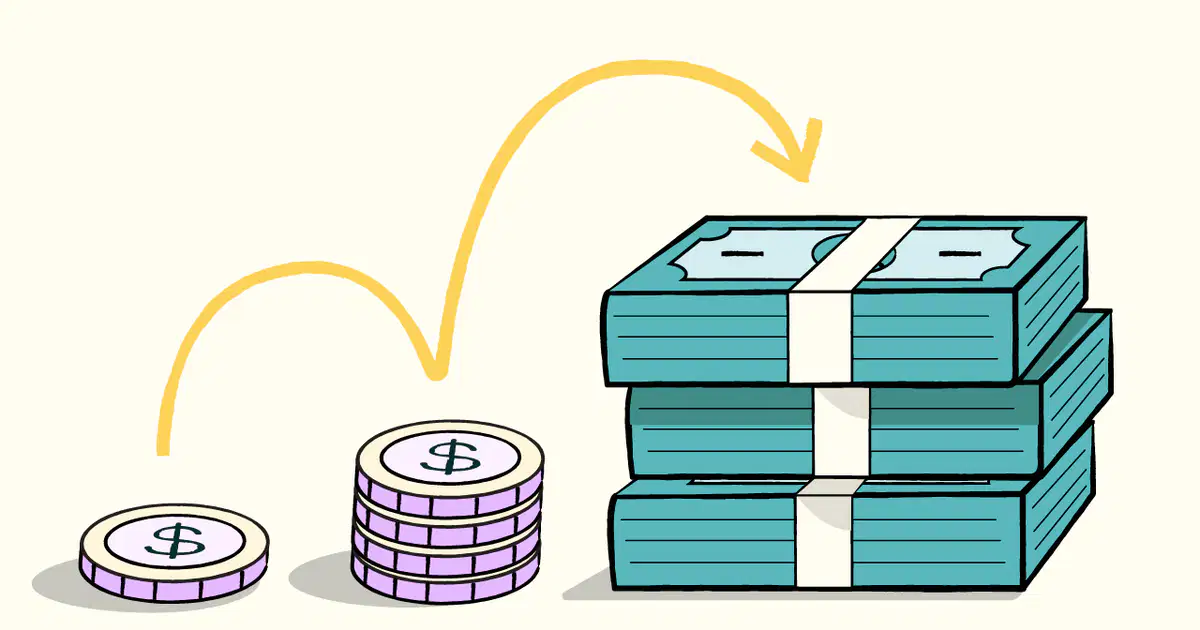
Interest paid or earned on principal and on interest previously earned.
simple interest
compound interest
fixed interest
variable interest
Money received for work performed or from investments is the definition of:
revenue
income
profit
salary

Spending by households on goods and services is the definition of:
investment
savings
consumption
production
Compound interest benefits savers more than it benefits borrowers.
True
False
It benefits both equally
It benefits borrowers more
Investing with simple interest is better for savers than investing with compounding interest.
True
False
It depends on the interest rate
Simple interest is always better
Money a person has left to spend or save after taxes and other required deductions is called:
disposable income
net income
gross income
taxable income
Which of the following is the best definition of saving?
Putting money under your mattress.
Disposable income minus consumption spending.
The discount received from buying something on sale.
The interest paid on a savings account.

Interest paid on the initial investment only is known as:
compound interest
simple interest
annual percentage rate
interest on interest

The act of consuming less than disposable income and setting the remainder aside is called:
spending
saving
investing
borrowing

The original amount of money invested or lent is known as:
principal
interest
equity
dividend
The mathematical rule used to approximate the number of years it will take for an investment to double in value is called:
Rule of 72
Rule of 50
Rule of 100
Rule of 30
"Paying yourself first" means making saving a priority over spending.
True
False
It means spending more than you save.
It refers to paying off debts first.
Which of the following is a good reason to save?
Because the government collects high rates of taxes on interest received.
Because one has to go to the bank to make a purchase.
Because your parents will place $1 in your savings account for every $1 you save.
Because the bank charges a penalty if you withdraw money from your account.

