
 Worksheets
Basic Subsea System Overview
Total questions: 20
Worksheet time: 12mins
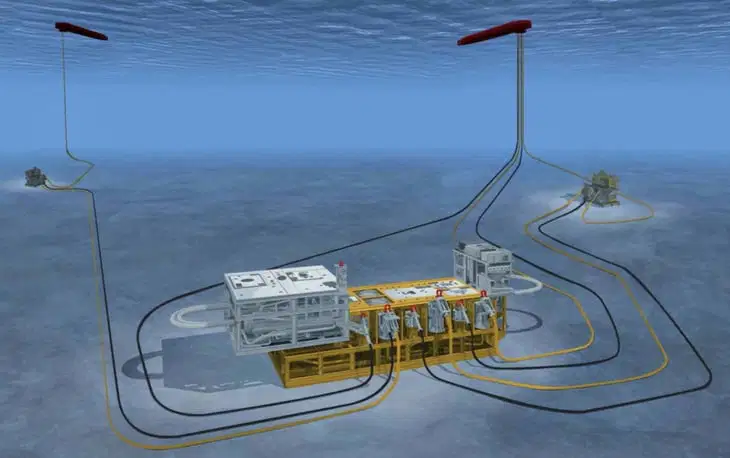
What is the main purpose of a subsea control system?
Increase drilling speed
Transport oil and gas to shore
monitor, control, and protect subsea wells
Replace the need for offshore platforms
What component acts as the "brain" of the subsea system?
Flowlines
Risers
Manifold
Subsea Control Module (SCM)
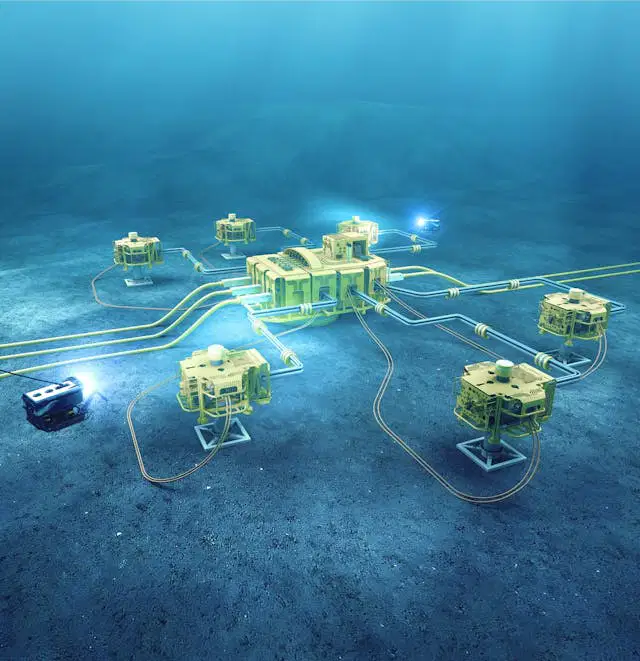
What is the main function of a subsea production system?
Extracting and processing oil and gas from subsea wells
Transporting gas to refineries
Cleaning the seabed
Storing oil underwater
What component transports hydrocarbons from wellhead to the processing facility?
Umbilical
Subsea Tree
Flowline
Subsea Control Module (SCM)
What does a Subsea Tree primarily control?
The movement of umbilicals
The positioning of the FPSO
The flow of oil and gas from the well
The installation of risers
What is the purpose of a manifold in a subsea system?
To clean the wellbore
To store oil and gas
To distribute flow from multiple wells
To transport chemicals to the surface
Which of the following is NOT a function of an umbilical?
Delivering hydraulic power
Supplying chemicals
Transporting hydrocarbons
Transmitting control signals
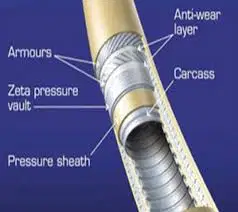
What is the primary function of a riser in a subsea system?
To anchor subsea equipment to the seabed
To transport fluids between the seabed and the surface facility
To control subsea valves remotely
To provide power to subsea components
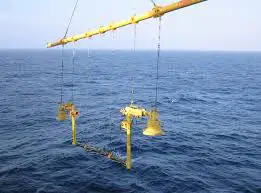
What is the function of a jumper in a subsea system?
To provide a long-distance connection between subsea fields
To act as a fixed connection between the platform and seabed
To provide short, flexible connections between subsea components
To supply power to subsea control modules
What is the future trend in subsea production system?
Increased manual operations
Moving towards fully autonomous subsea fields
Eliminating umbilicals and risers completely
Building oil refineries on the seabed
The (a) is installed on the wellhead to control the flow of oil and gas from the reservoir.
The three main components of a subsea production system are 1._____, 2.______ and 3._____.
(a)
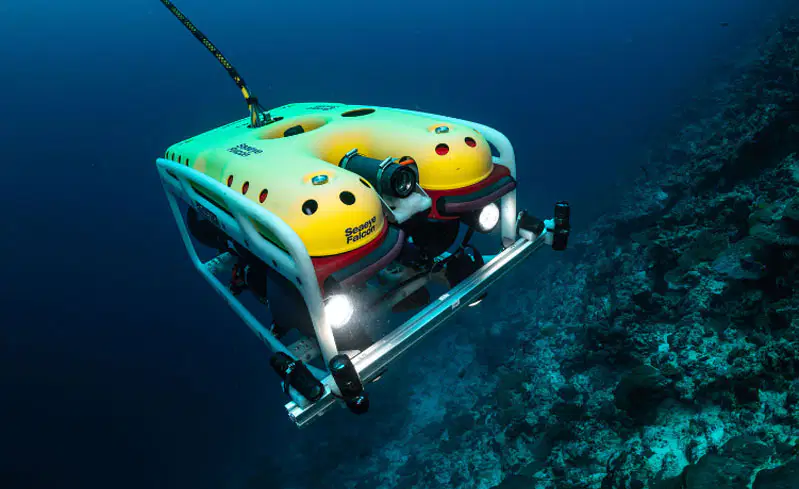
What does ROV Stand for?
(a)
What is the primary function of an ROV in subsea operations
Transport oil from the seabed to the surface
Carry divers to deep water locations
Inspect, maintain, and repair subsea equipment
Drill wells in deep water field
Which installation method lays the pipeline horizontally from a vessel and curves it down to the seabed?
J-Lay
S-Lay
Reel-Lay
Towing Method
Which pipeline installation method is best suited for ultra-deepwater projects?
S-Lay
J-Lay
Reel-Lay
Towing-method
Which method uses a pipeline spooled on a drum and deployed in a continuous manner?
J-Lay
Reel-Lay
S-Lay
Towing method
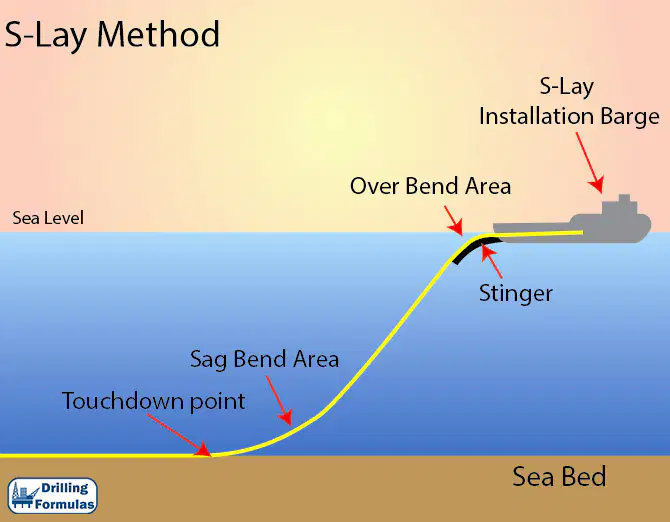
What is a challenge of using the S-Lay method?
High bending stress in deep water
Slow installation speed
Requires pre-assembled sections
Can only be used for flexible pipes
What is one key advantage of using ROVs over human divers?
They can carry more tools
They can operate at extreme depths where divers cannot go
They are faster at swimming than divers
They require no maintenance
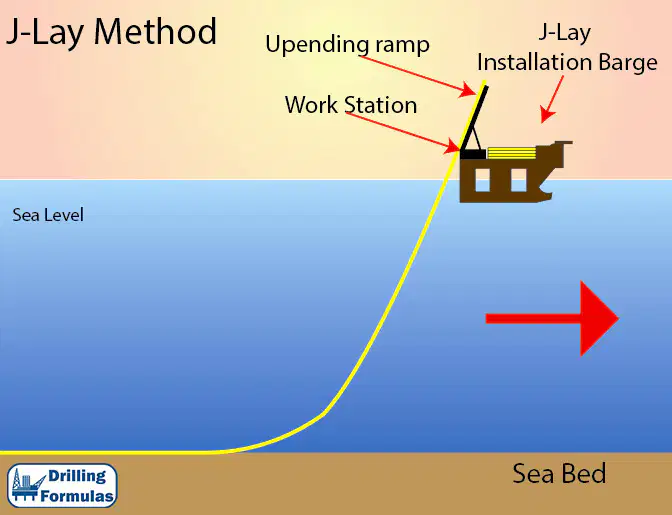
Why is the J-Lay method preferred for deep water pipelines?
It reduces stress on the pipeline during installation
It requires minimal vessel equipment
It is faster than the Reel-Lay method
It allows for larger pipe diameter

