
 Worksheets
WW2 Vocabulary Part 2
Total questions: 20
Worksheet time: 10mins

In September of 1943, the Allies invaded Italy at a place called:

FDR met with other allies at the Tehran Conference in 1943. What is the most important thing that was decided at this conference?
Decision to establish the United Nations headquarters in Tehran because of it's connection to the Persian Empire and Xerxes..
Plan to negotiate a peace treaty with Germany before the invasion to prevent higher casualties.
Agreement on the strategy for the Allied invasion of Nazi-occupied Europe by invading France.
Agreement on the timeline for the end of World War II with dignity.
The invasion of Salerno in 1943 was the allies' invasion of what country?
The plan by the Allies to invade France and relive pressure on the Soviet Union was made at what meeting of Allied leaders?
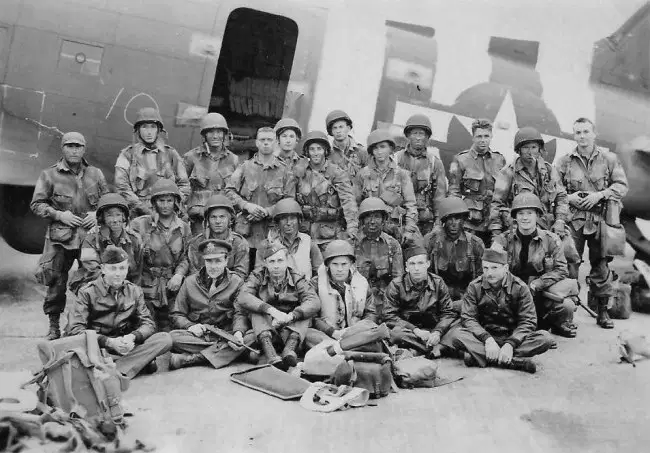
On June 6, 1944 the allies execute their plan called Operation Overlord and began invasions at Normandy, France. This day is commonly called:
VE Day
VJ Day
B-Day

The D-Day landing take place at beaches code named, Sword, Juno, Gold, Utah and Omaha. Where were these beaches?
The decision to invade France by the Western Allies was made at the Tehran Conference.
True
False
V-E Day is short for:
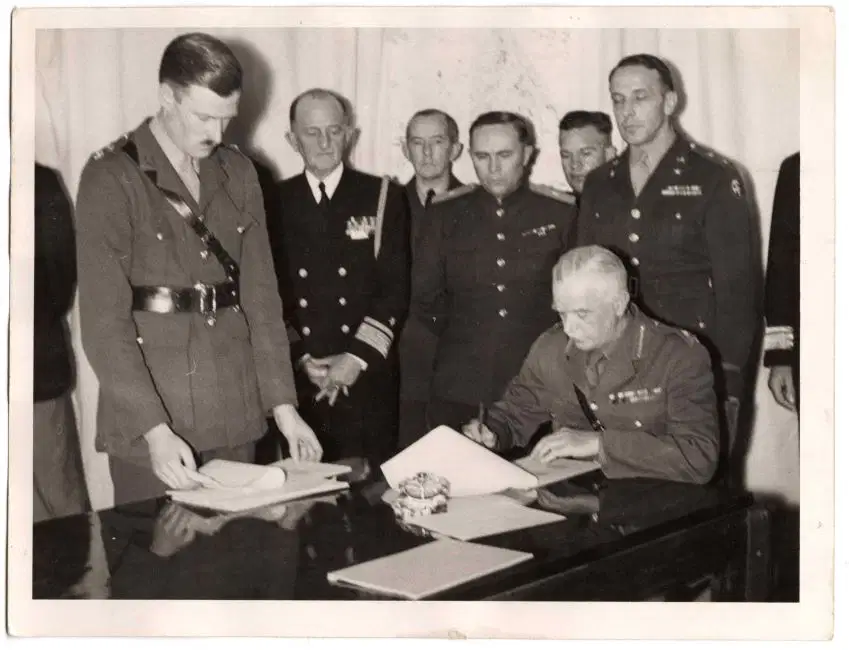
On May 8, 1945 the Germans surrender to the allies. We call this day:
Armistice Day
(A-Day)
D-Day
Battle of Britain Day
(B-Day)

In May of 1942, the United States Navy and the the Australian Navy score an important strategic victory. Despite the loss of the fleet carrier USS Lexington by the US Navy, the Japanese fleet suffered heavy casualties and the loss of a light carrier and had to call off their planned invasions of the Australian base at Port Moresby. What is the name of this battle?
What is the importance of the Battle of the Coral Sea?
It was a strategic allied victory, Japanese expansion towards Australia was halted.

One month after the Battle of the Coral Sea, in June of 1942, the Japanese Imperial Navy sent a strike group of four fleet carriers to attack a United Stated held island and airfield. Unknown to the Japanese, the US had broken their code and was prepared for the attack. 3 Fleet carriers from the United States including the famous USS Enterprise, managed to sink all 4 Japanese carriers in a resounding and miraculous victory with the loss of only one carrier, USS Yorktown. This Battle is called:
What is the importance of the Battle of Midway?
It resulted in the immediate surrender of the Allies forced on Midway Islands and the capture of General Douglass MacArthur.
The battle was fought on land, not at sea resulting in the loss of Japanese armoured divisions headed to China.
It was a minor skirmish with no significant impact but it did show the importance of long lance torpedoes.
The Manhattan Project resulted in what?
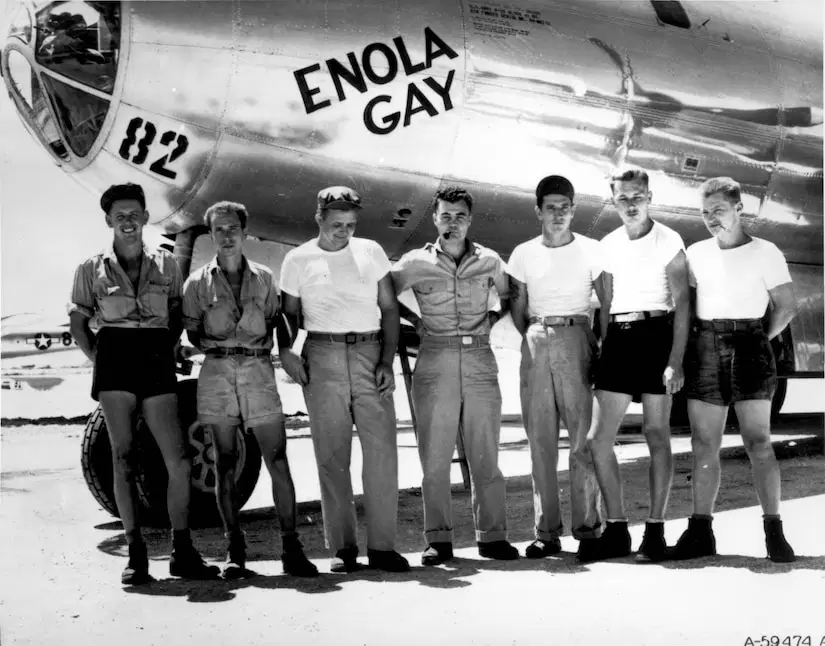
The B-29 Enola Gay bombed Hiroshima on August 6, 1945, and the B-29 Bockscar bombed Nagasaki on August 8, 1945. What was significant about these two bombings?
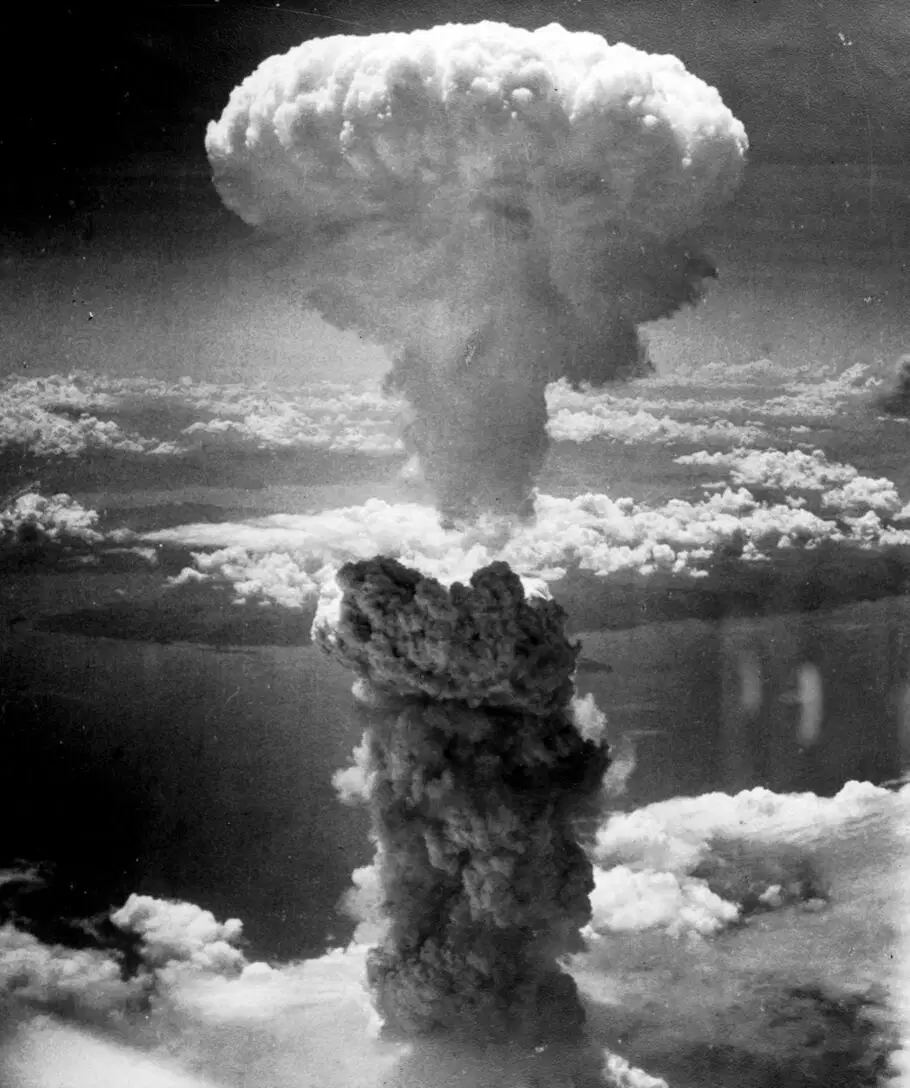
Where were atomic weapons used for the first and only times in the history of war?
Tokyo and Kyoto, Japan
Berlin and Frankfurt, Germany
Seoul and Uijongbu, South Korea
The day the Japanese surrendered is commonly known as:
V-E Day
What is the importance of the Nuremberg Trials?
The trials were held to promote peace between nations in a trial period set up at Nuremburg.
They were primarily focused on economic recovery in Europe as an economic trial and error to find the right way to implement the Marshall Plan.
They aimed to establish a new form of government in Germany based on the trials of the past leaders.

German and Nazi war criminals were tried for "crimes against humanity" in an event called :

The Dumbarton Oaks Conference and the San Francisco Conference are important in the development of the post World War II organization called:

