
 Worksheets
Understanding the Constitution Part 2
Total questions: 20
Worksheet time: 10mins

What are the qualifications to become president?

How many Articles make up the Constitution?
What was the main concern of the Anti-Federalists regarding the Constitution?
That it gave too much power to the states
That it lacked a Bill of Rights
That it was too difficult to amend
That it would lead to a monarchy
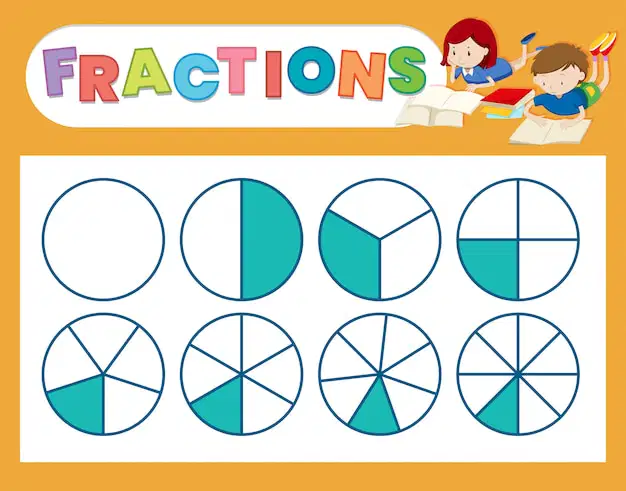
How many states must ratify an amendment for it to become part of the U.S. Constitution?
One-half of the states
Two-thirds of the states
Three-fourths of the states
All 50 states

Put these in the correct chronological order...the Bill of Rights, The Articles of Confederation, the Declaration of Independence, and the Constitution.

What level of government has the power to coin money, declare war, and negotiate treaties with other countries?

How many states were needed to ratify the Constitution?
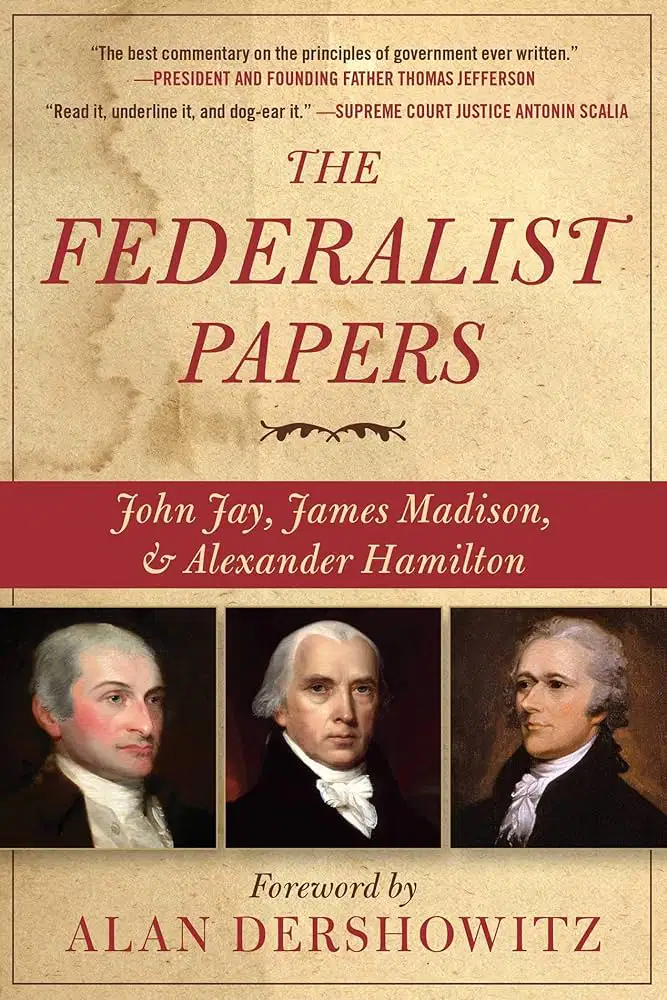
What was the main purpose of the Federalist Papers?
To oppose the ratification of the Constitution
To support the ratification of the Constitution
To propose amendments to the Constitution
To draft the Bill of Rights
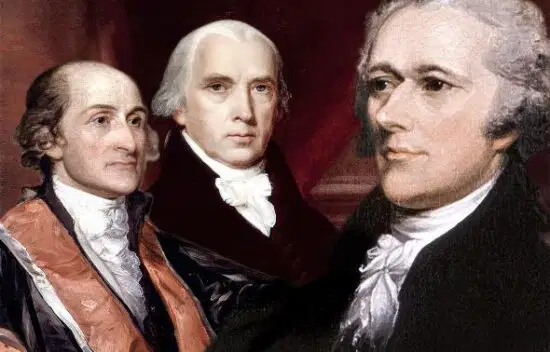
What was the main purpose of the Federalist Papers?
To oppose the ratification of the Constitution
To support the ratification of the Constitution
To propose amendments to the Constitution
To draft the Bill of Rights

Who has the power to appoint federal judges?
The Congress
The Vice President
The President
The Supreme Court
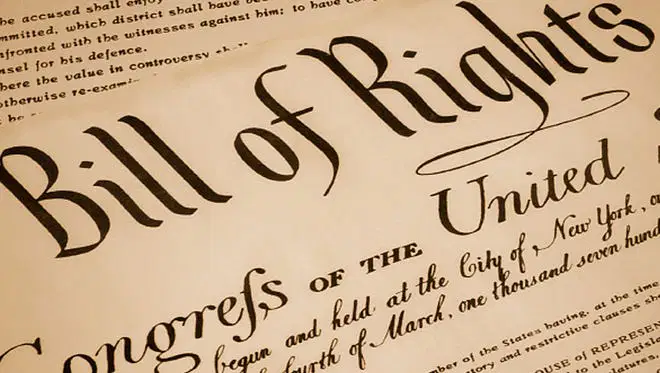
Why is it important that the Constitution include an amending process?
It is important for adaptability and to ensure the ability for changes.
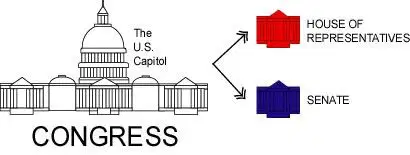
What is the structure of the United States Congress?
The Congress is responsible for executing laws.
The Congress is part of the Judicial Branch.
The Congress consists of the Senate and the House of Representatives.
The Congress is a unicameral body.

What is the Supremacy Clause?
A clause that gives states the power to override federal laws
A clause that establishes the Constitution and federal laws as the supreme law of the land
A clause that gives the Supreme Court the power to veto state laws
A clause that allows the President to make laws without Congress
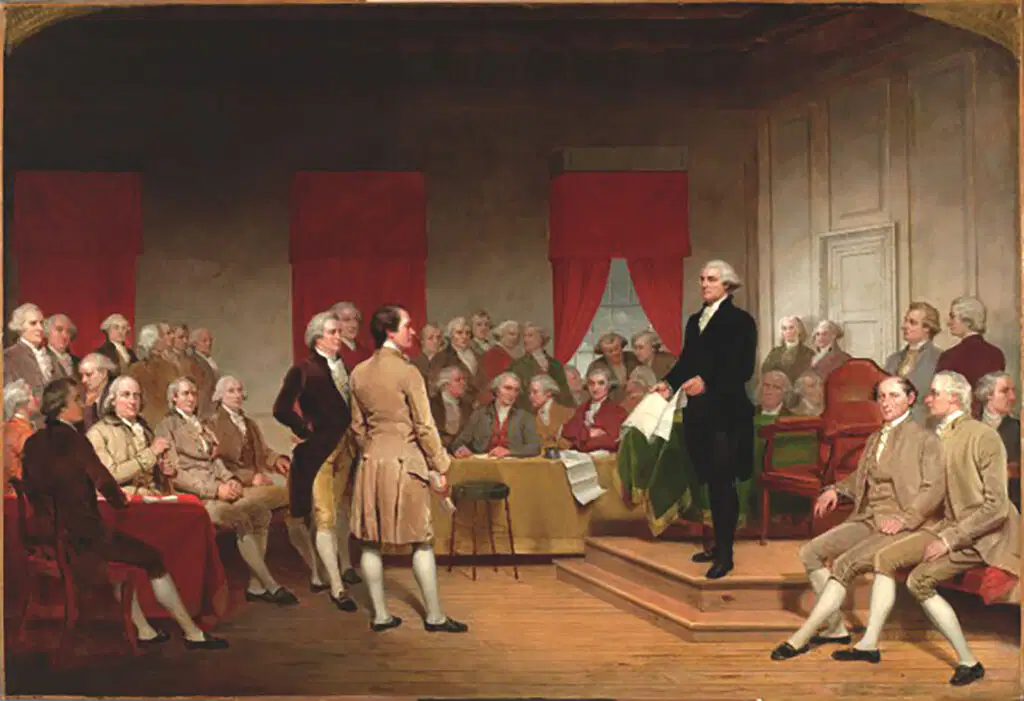
Who was chosen leader of the Constitutional Convention?

Which of the following is the highest court in the United States?
The District Court
The Circuit Court
The Supreme Court
The Court of Appeals

Powers of the Legislative Branch
The Legislative Branch can enforce laws.
The Legislative Branch has the power to interpret laws.
The Legislative Branch has the power to make laws.
The Legislative Branch is responsible for foreign policy.

What do we call the system for electing the president?
What is the primary function of the judicial branch?
To enforce laws
To interpret laws
To veto laws
To make laws
Full Faith and Credit clause, Privileges and Immunities clause, Admission of new states and territorial governance, Guarantee of republican government and protection for states all
They are all provisions/guarantees of the U.S. Constitution.
Commander-in-Chief of the military, vetoing legislation, negotiating treaties, and appointing federal judges are all powers associated with
the President of the United States
the Supreme Court
Congress
the Vice President

