
 Worksheets
Symbiosis
Total questions: 23
Worksheet time: 13mins
Symbiotic relationships are between ________ or more __________________ organisms that live in an ecosystem. The relationship _____________ at least one of the organisms.
one
similar
benefits
one
different
harms
two
similar
harms
two
different
benefits

In ecosystems, organisms must sometimes “fight” for limited resources such as food, water or mates. This can happen between organisms of different species, or between organisms of the same species. It is called ____________________.
predator-prey
mutualism
competition
parasitism
commensalism

A relationship where one organism eats another organism, usually of a different species (but not always).
parasitism
commensalism
predation
mutualism

A symbiotic relationship where both species benefit from each other.
commensalism
mutualism
predation
parasitism

A symbiotic relationship where one organism benefits by harming the other.
commensalism
parasitism
mutualism
predation

A symbiotic relationship where one species benefits from another species, without helping or harming them.
commensalism
mutualism
competition
parasitism
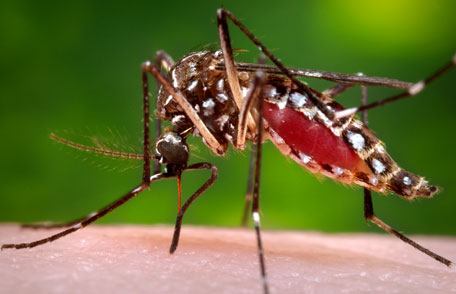
host
hostess
parasite
host
host
parasite
prey
predator

What relationship is being shown between the ground squirrel and the birds?
mutualism
commensalism
competition
predation
parasitism

A coyote kills and eats a rabbit. This is an example of:
competition

Mistletoe extracts water and nutrients from a spruce tree, making it harder for the tree to survive. This is an example of:
competition
predation
commensalism

A demodex mite lives in the eyelashes of most people. It feeds on dead skin cells and usually does not harm people. This is an example of:
competition
mutualism

Two male giraffes are fighting over the last green leaves of a tree that is dying. This is an example of:
competition
mutualism
predation
commensalism
parasitism
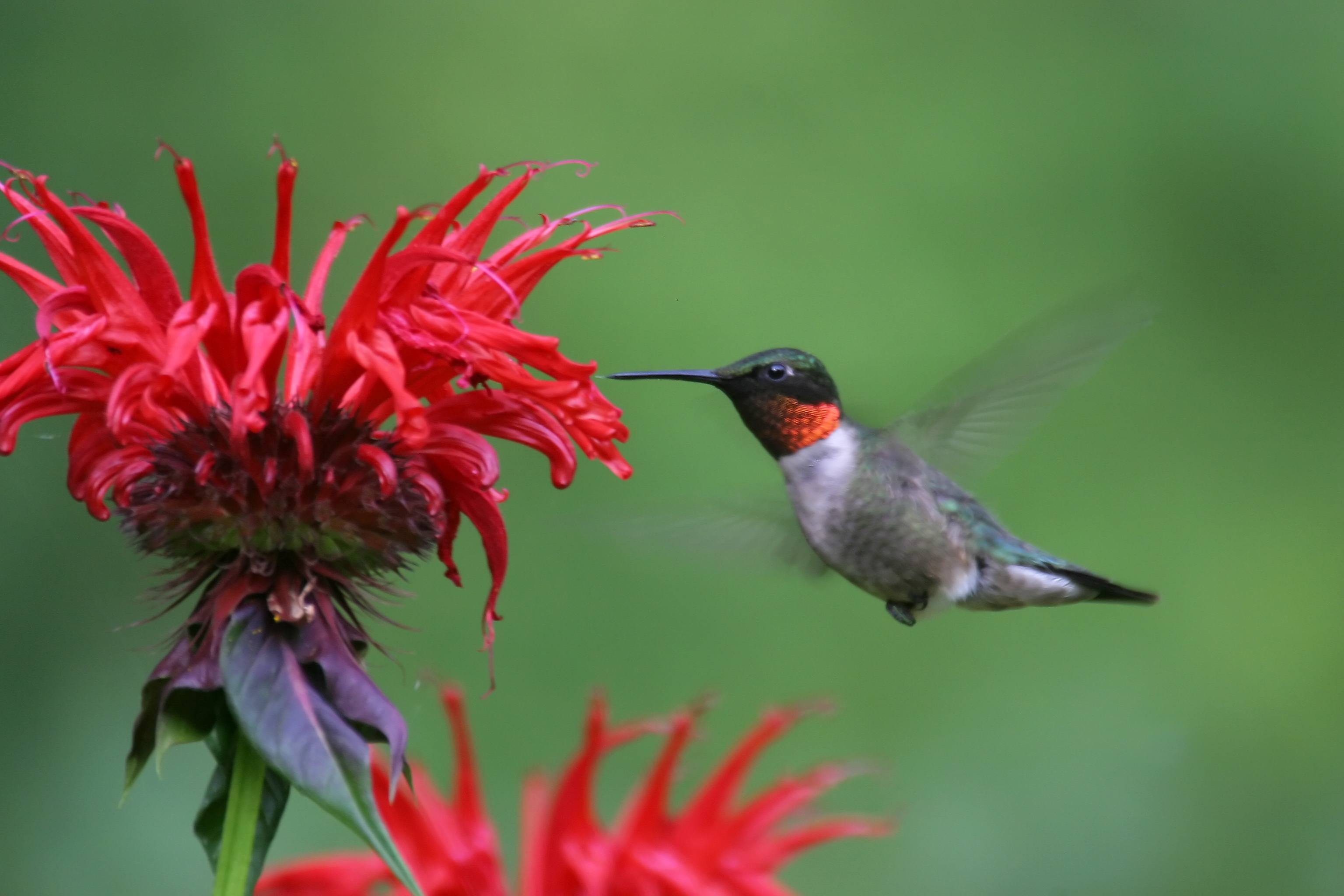
Hummingbirds feed on nectar from flowers. The flowers are pollinated by the hummingbirds as they move from flower to flower. This is an example of:
competition

Barnacles attach themselves to whales. They get a free ride and food scraps from the whales, but don't bother the whales. Whales can live without barnacles as well. This is an example of:
predation
competition
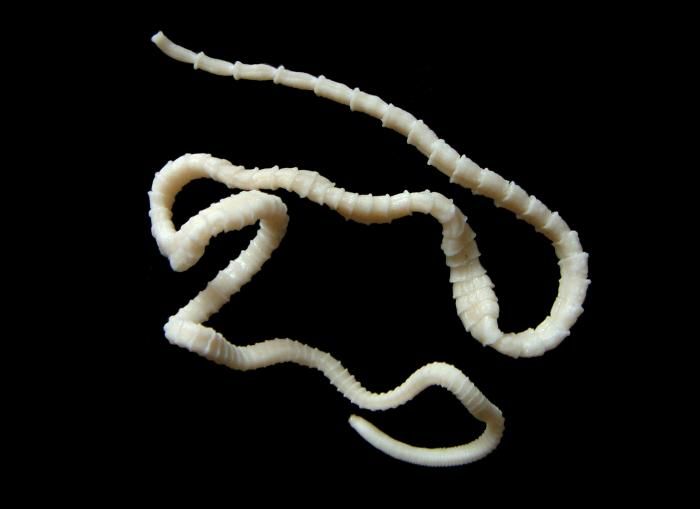
A tapeworm lives in the intestine of a cat, absorbing nutrients through its skin. This is an example of:
mutualism
predation
commensalism
competition
parasitism

Birds eat the flies off of a rhino's back in the savannah. The birds get food and the rhino is rid of pests. This is an example of:
mutualism
competition
predation
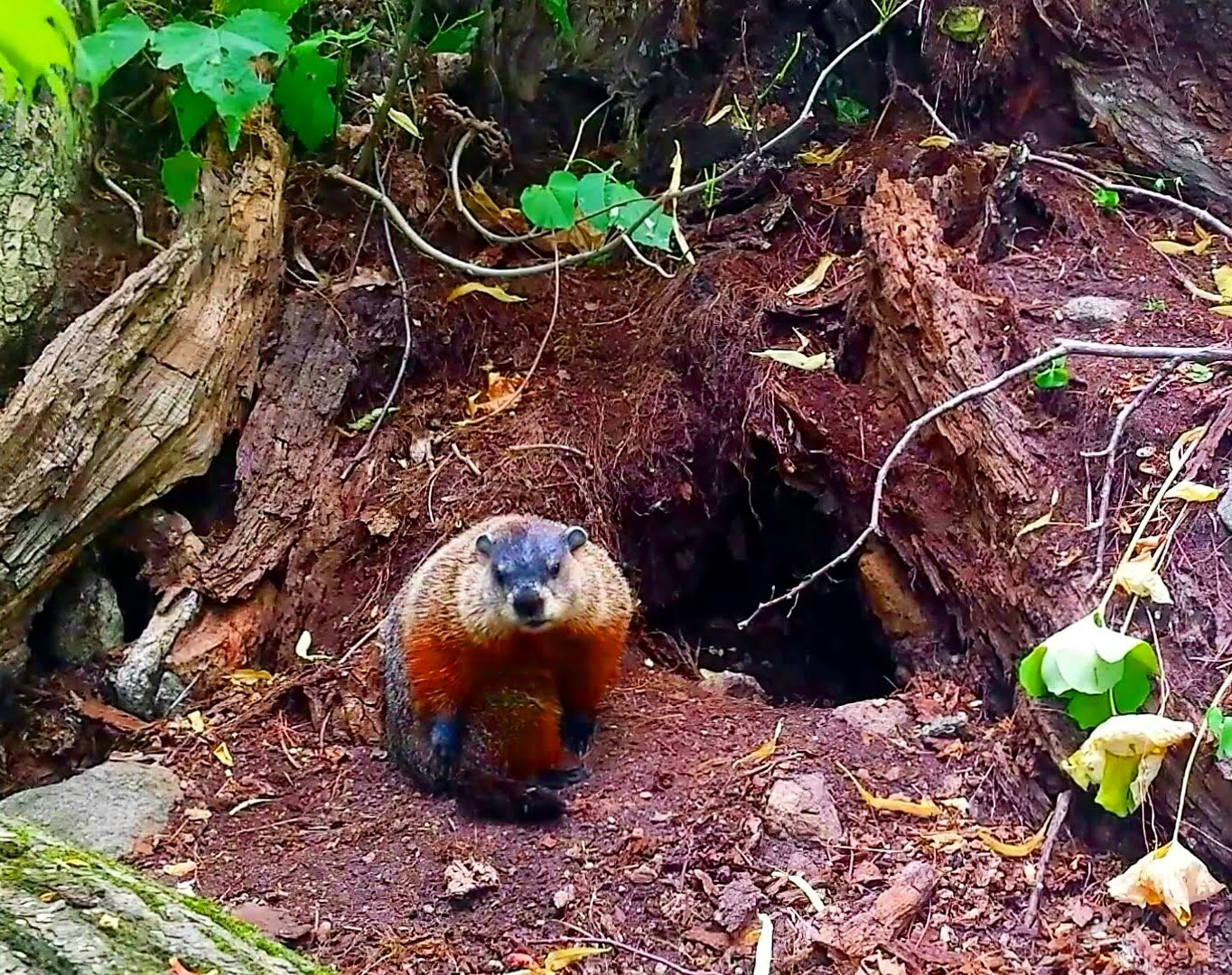
Skunks often live in burrows that have been dug and then abandoned by woodchucks. This is an example of:
competition
commensalism
predation

The Venus fly trap catches flies and then digests them for nutrients. This is an example of:
parasitism
predation
mutualism
competition
commensalism

An acacia is a thorny tree found in warm regions. The stinging acacia ant drinks the tree's sap and raises its young in the hollow thorns. The ants keep competing vines from growing near the acacia tree, and they repel any insects that would damage the acacia tree. This is an example of:
predation
commensalism
parasitism
competition
mutualism

The tongue-eating louse will sneak in through the gills of the fish and bite down on the tongue, cutting off blood vessels and making the tongue fall off. The louse then takes the place of tongue, feeding off the fish's blood and mucus, and reproducing in its mouth. This is an example of:
mutalism
competition
parasitism
commensalism
predation

Black walnut trees produce a chemical called juglone, which it releases from its roots, making the soil toxic to many other plants. This keeps other plants from growing around it. This is an example of:
predation
commensalism
competition
mutualism
parasitism

Mockingbirds will push the eggs out of a blue bird's nest and use the nest for its own babies. This is an example of (pick 2):
competition
commensalism
mutualism
parasitism
predation

In an process called "anting", some birds will pick up ants and put them in their feathers to get rid of parasites, like mites that feed on the bird's blood. The ants sometimes eat these parasites bothering the birds. This is an example of (pick 3):
commensalism
predation
mutualism
competition
parasitism

