
 Worksheets
Unit C. Climate & Sustainability
Total questions: 44
Worksheet time: 33mins
What causes climate change?
photosynthesis from plants and trees
melting of glaciers cause cooling of the atmosphere
burning of fossil fuels which release excessive greenhouse gases that cause warming of the atmosphere
weathering and erosion of igneous rocks after volcanic eruptions
what's the difference between weather and climate?
weather constantly changes every hour; climate is the average weather over a long period of time
climate constantly changes every hour; weather is the average climate over a long period of time
weather is very predictable and remains the same; climate is very unpredictable and always changes
Which of the following below is NOT a climate type?
polar
tropical
temperate
tropicana
Which is NOT a greenhouse gas?
carbon dioxide
methane gas
water vapor
nitrogen gas

Select all that apply: In the carbon cycle, where can the carbon circulate (move around)?
oceans
soil
atmosphere
cows
Which of the following below is an example of carbon being absorbed/stored?
cars burning fossil fuels
using gas stoves for cooking
cows farting
dead organisms turning into fossils (preserved into rocks)
Which of the following below are NOT effects of climate change?
increased drought
increased hurricanes
global warming
cleaner water
increased wildfires
On average, how much has global temperatures increased since the pre-industrial era (around 1850-1900)?
1°C (2°F)
2°C (3.6°F)
1.5°C (2.8°F)
Select all that apply: How have humans caused natural disasters?
caused mudslides from deforestation
caused a dust storm from overfarming/overplowing
caused climate change from disrupting carbon cycle
caused wildfires by causing global warming
what are fossil fuels?
million year old remains of organisms that turned into coal, oil or gas
when oxygen is produced from photosynthesis
the cycling of carbon among the ocean, land, and organisms
sedimentary rocks that formed from weathering, erosion and compaction

Which of the following is contributing to an INCREASE in carbon dioxide in the atmosphere?
Deforestation
photosynthesis
Burning of Fossil Fuels
the loss of animal species

Fossil Fuels are
pieces of rock that have been compacted many times
rock that contains 50% plant and animal remains
metamorphic rock
fuels that form from the remains of plant and other organisms that were buried and altered over million of years
The ADVANTAGES of Fossil Fuels include: (Choose ALL that apply)
low cost
produce a lot of energy
cause air pollution
high cost
What kind of energy uses air flow through wind turbines to create electricity?
Solar
Wind
Hydropower
Biomass
What is NOT a benefit of using renewable energy?
it causes environmental destruction due to mining and drilling for coal/gas
it will not run out
is considered "clean" energy because no carbon emissions are produced

Niagara Falls in upstate New York is a good source of...
hydropower (renewable energy)
wind power (renewable energy)
solar power (renewable energy)
coal mining (non-renewable energy)
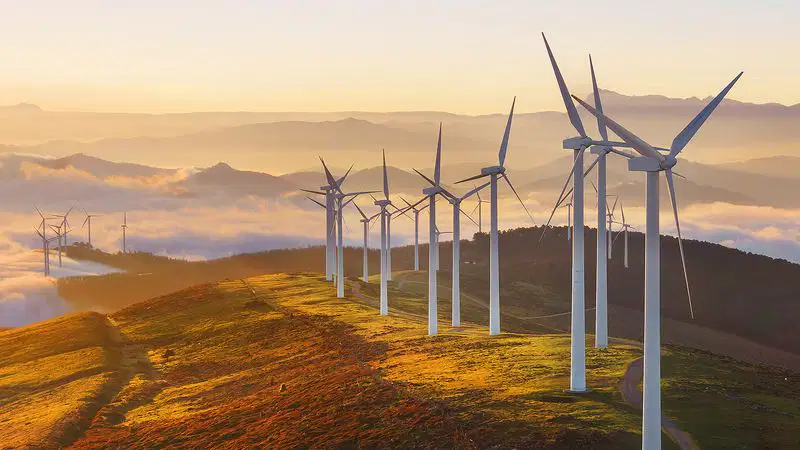
Which type of energy source is represented by the photo?
renewable
non-renewable
Select all that apply: What are the cons (negative drawbacks) to burning fossil fuels?
releases greenhouse gases such as CO2
causes global warming
increases severe weather events such as drought and flooding
its pollution causes health problems such as cancer and heart disease

What is the purpose of Crop Rotation, as shown in the image?
to grow different crops so that humans can have a balanced diet
to grow different crops so that animals have more food options
to grow different crops during different seasons so that the soil can stay healthy and not get depleted (emptied)
to grow different crops so that the garden is more colorful
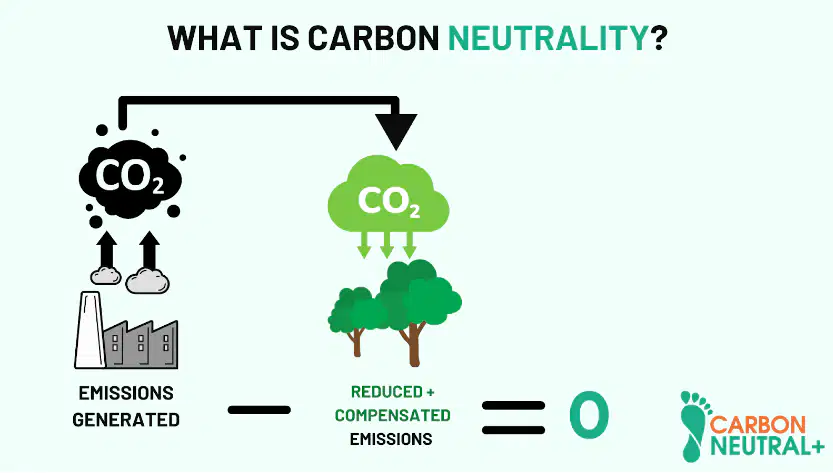
What does "carbon neutral" mean?
Completely eliminating carbon emissions
Balancing the amount of carbon emitted with an equal amount removed from the atmosphere
Reducing carbon emissions by 50% compared to the previous year
Using carbon-based fuels
What can state governments do to encourage energy efficient transportation?
build more bike lanes
improve public buses and trains
subsidize the cost of gas (make gas cheaper)
get rid of sidewalks
Which climate policy is more effective and better for our environment?
Net zero emissions by 2050
80% reduction in CO2 emissions by 2030
Increase coal mining by 35%
Increase paper and wood production by 50%
What is a carbon tax?
For each ton of carbon emitted, money must be paid
When you pay your taxes to the government, you release CO2
When you purchase carbon, you must pay a tax on it
Only taxpayers get to have carbon
What are some natural ways to remove carbon from the atmosphere?
plant more trees (photosynthesis)
deforestation
wildfires
burning fossil fuels
The global effort is to limit global warming to ____
2 °C
below 2 °C
3 °C
4 °C

What is the image showing?
photosynthesis
carbon cycle
water cycle
rock cycle

Select all that apply: What are the common climate risks in NYC?
increased flooding
increased precipitation
wildfires
drought
Select all that apply: What are the common climate risks in California?
dust storm
hurricanes
wildfires
drought
97% of scientists believe what is causing climate change?
Animals and Plants
Eco-Friendly Cars
Humans
Conservation of energy

How does selective logging help fight climate change?
trees help absorb CO2, so by conserving (saving) them, we are fighting climate change
trees are logged (cut down) to build weapons to fight against climate change
trees release CO2, so that climate change can have more negative impacts

Which country has emitted (released) the most CO2 historically?
USA
China
Iran
Canada

Which climate risk affects a large portion of the United States?
Water stress (not enough water)
Extreme heat
Hurricanes
Wildfires
Select all that apply: What climate risks does NYC face?
drought
excessive heat
excessive precipitation / flooding
wildfires
How does enforcing a carbon tax help with reducing carbon dioxide emissions?
carbon tax makes it less expensive for corporations to emit CO2
carbon tax makes it more expensive for corporations to emit CO2
carbon tax makes it less expensive for corporations to use coal
carbon tax makes it more expensive for corporations to use coal
What is a benefit of using clean energy (renewable energy)?
it produces less greenhouse gases when used
it causes global warming and climate change
it's inexpensive to buy
it causes increased extreme weather events, flooding, wildfires, hurricanes

