
 Worksheets
Water and Human Activity
Total questions: 31
Worksheet time: 16mins
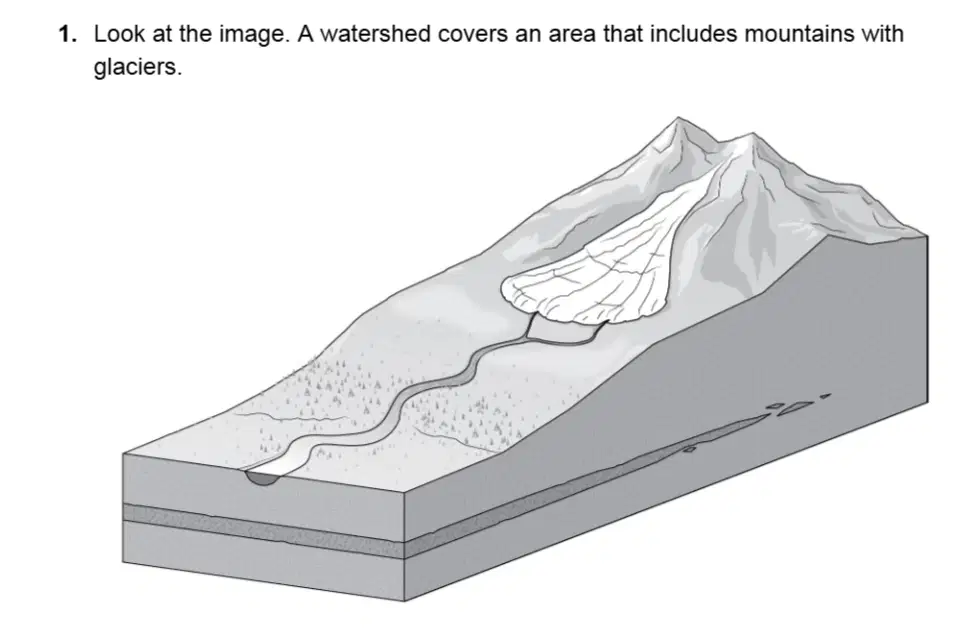
How do glaciers contribute to watersheds?
They provide water
They take away water
They pollute water
They have no effect
What are the effects of chemicals like gasoline, pesticides, and fertilizers on a river? Select two answers.
A. Water becomes more toxic.
B. Sediments are disturbed.
C. Some organisms die.
D. Water becomes more acidic.
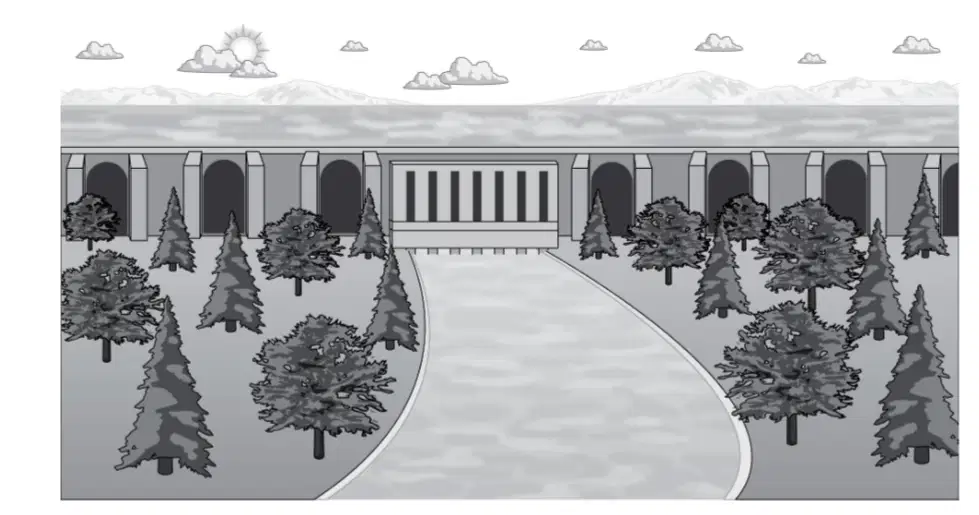
The dam shown in the image is holding back water and sediment from a river. What is the primary purpose of this dam?
To generate electricity
To prevent flooding
To store water for irrigation
To create a recreational area
What is one way that a dam can impact the environment?
It increases the natural flow of the river.
It can disrupt the migration of fish.
It reduces water pollution.
It enhances the growth of river plants.
What happens to sediments when a dam is built on a river?
They are washed away.
They accumulate behind the dam.
They become more toxic.
They disappear.
Which of the following is NOT an effect of chemicals entering a river?
A. Water becomes more acidic.
B. Fish populations increase.
C. Some organisms die.
D. Water becomes more toxic.
Which of the following is a direct effect of gasoline entering a river?
A. Water becomes clearer
B. Fish populations thrive
C. Water becomes more toxic
D. Plants grow faster
How does the composition of the river change downstream from the dam? Select two answers.
A. Greater water flow
B. Temperature increases
C. Fewer nutrients
D. More sediments
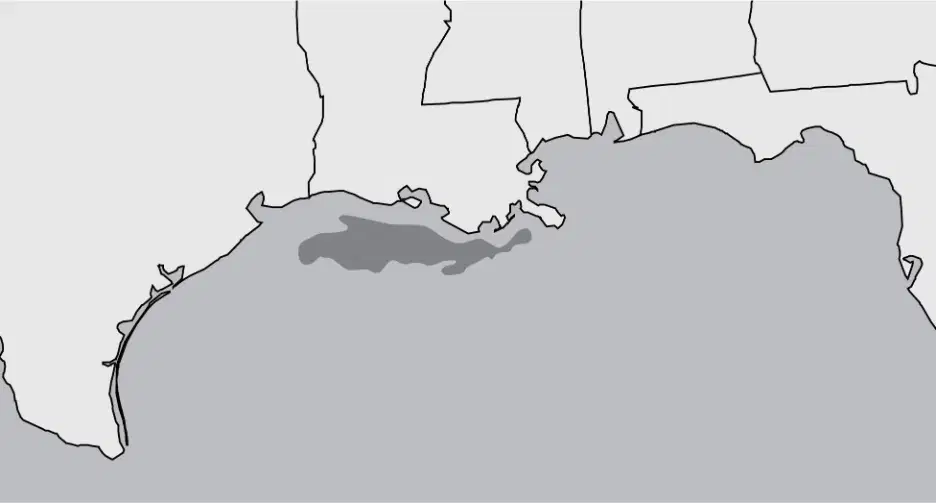
The dead zone in the Gulf of Mexico is located off the coast of which states?
Florida and Alabama
Louisiana and Texas
Mississippi and Alabama
Georgia and Florida
What is the primary human activity contributing to the dead zone in the Gulf of Mexico?
Fishing
Tourism
Agriculture
Shipping
The fertilizers that cause the dead zone are primarily used in ____________. A) construction B) agriculture C) fishing D) mining
construction
agriculture
fishing
mining
What happens to marine life in the dead zone?
It thrives
It migrates
It decreases
It remains unchanged
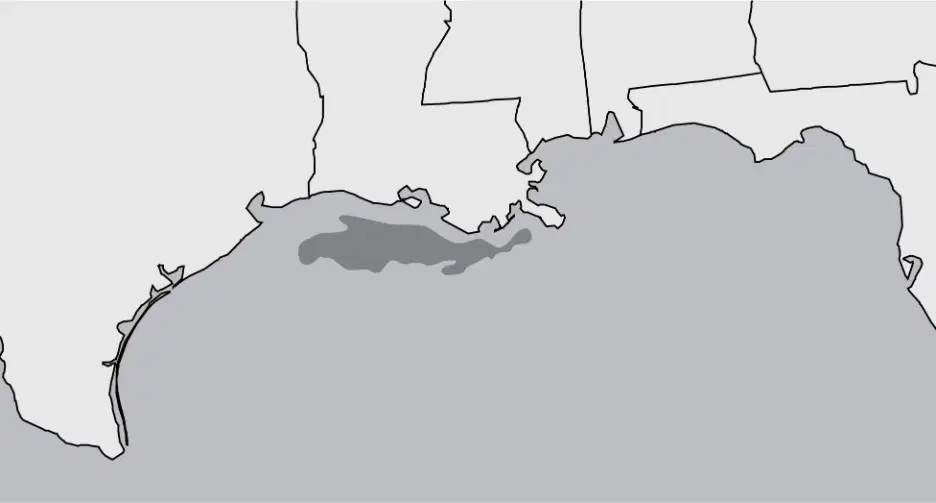
Which body of water is affected by the dead zone?
Atlantic Ocean
Pacific Ocean
Gulf of Mexico
Indian Ocean
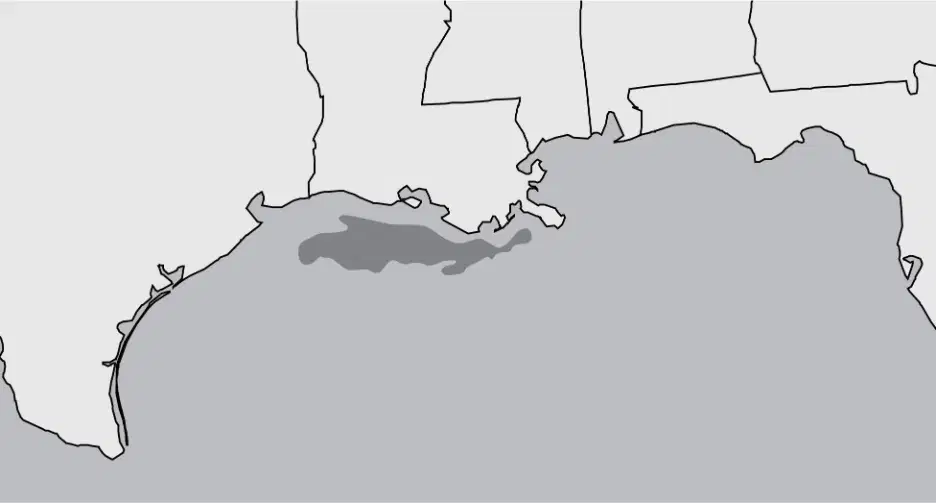
The dead zone is near where the ____________ River empties into the ocean.
Amazon
Mississippi
Nile
Yangtze
Which term describes the process of fertilizers entering water bodies?
Evaporation
Runoff
Condensation
Precipitation
A region of land where all the water drains into a single river, lake, or other body of water.
Watershed
Glacier
Surface Water
Groundwater

Water found on the surface of the Earth, such as in rivers, lakes, and ponds.
Watershed
Glacier
Surface Water
Groundwater

A large, slow-moving mass of ice that forms in cold areas over many years.
Watershed
Glacier
Surface Water
Groundwater
Small pieces of soil and rock that are carried by water and can build up in rivers and lakes.
Watershed
Sediment
Surface Water
Groundwater
Water that is stored underground in spaces between rocks and soil.
Watershed
Sediment
Surface Water
Groundwater
Non-renewable energy sources like coal, oil, and natural gas that release pollution when burned.
Entangle
Sediment
Runoff
Fossil Fuels

Water that flows over land and carries soil, chemicals, or other materials into rivers and lakes.
Entangle
Sediment
Runoff
Fossil Fuels

To catch or trap something in a way that it cannot move freely.
Entangle
Sediment
Runoff
Fossil Fuels

Small pieces of plastic that pollute water and harm animals when they are eaten.
Entangle
Microplastics
Fish Ladder
Fossil Fuels

A structure built near dams to help fish swim upstream to reproduce.
Entangle
Microplastics
Fish Ladder
Fossil Fuels

An area in water with very little oxygen, where most animals and plants cannot survive.
Pollution
Overfishing
Dead Zone
Renewable Energy

Catching too many fish so that there are not enough left to reproduce and keep the population healthy.
Pollution
Overfishing
Dead Zone
Renewable Energy

The addition of harmful substances to the environment.
Pollution
Overfishing
Dead Zone
Renewable Energy

A substance added to soil to help plants grow, but it can harm water if it runs off into rivers.
Pollution
Fertilizer
Dead Zone
Renewable Energy

Poisonous or harmful to living things.
Pollution
Toxic
Dead Zone
Renewable Energy

Energy from natural sources like sunlight, wind, and water that can be used without running out.
Pollution
Toxic
Dead Zone
Renewable Energy

