wayground logo

Free Printable Worksheets

Font size

S
M
L
XL
Worksheets

2nd Review

Total questions: 51

Worksheet time: 46mins

Name
Class
Date
1.
cracker
a)
solid
b)
liquid
c)
gas
2.
Helium
a)
solid
b)
liquid
c)
gas
3.

rain

a)

solid

b)

liquid

c)

gas

4.
tightly packed packed particles that keep their shape
a)
solid
b)
liquid
c)
gas
5.
loosely packed particles that are not contained
a)
solid
b)
liquid
c)
gas
6.
free flowing particles that fill the bottom of a container first
a)
solid
b)
liquid
c)
gas
7.

What is in the center of the Solar System?

a)

Mars

b)

Neptune

c)

Sun

d)

Earth

8.

The sun is a.....

a)

Planet

b)

Fire

c)

Orbit

d)

Star

9.

What's first planet in the Solar System?

a)

Mars

b)

Earth

c)

Venus

d)

Mercury

10.

What's the last planet in the Solar System?

a)

Neptune

b)

Uranus

c)

Saturn

d)

Jupiter

11.

What's third planet in the Solar System?

a)

Mars

b)

Earth

c)

Venus

d)

Mercury

12.

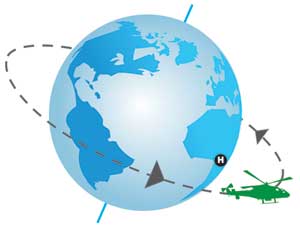
The path an object takes as it revolves around another object is called an _____.

a)

Orbit

b)

Model

c)

Position

d)

Satellite

13.
Earth completes one full ___________ on its axis every 24 hours.
a)
rotation
b)
revolution
c)
resolution
d)
reservation 
14.
What is another word for rotate?
a)
orbit
b)
skip
c)
spin
d)
run
15.

The Sun and all of the bodies that revolve around it are known as the __________.

a)

Planet

b)

Comet

c)

Solar System

d)

Asteroid

16.

What tool would you use to study objects that are far away like stars and space?

a)

microscope

b)

hand lens

c)

telescope

17.

Are there minerals in soil?

a)

Yes

b)

No

18.
When plants, animals, and other organisms die, they break down and become part of the soil. What is this part of the soil called?
a)
sand
b)
silt
c)
clay
d)
humus
19.
Soil is made of
a)
weathered rocks and minerals
b)
dead plants and animals
c)
air and water
d)
all of the above
20.
Humus is important because...
a)
It contains toxic waste
b)
It contains acids and bases
c)
It breaks down rocks
d)
It helps plants grow
21.

Which of the following processes will most likely contribute to the development of soil?

a)

Volcanic eruptions that make new land

b)

Building up of snow in very cold areas

c)

Migration of animals to warmer climates

d)

Breaking down of rock by wind, water, and ice

22.

Soil is composed of all of these natural materials EXCEPT

a)

weathered rock

b)

plant matter

c)

plastic substances

d)

animal remains

23.
Precipitation is....
a)
rain
b)
snow
c)
sleet
d)
all of these are correct
24.
This tool is used to measure the amount of rainfall.  What is it called?
a)
snow gauge
b)
rain gauge
c)
ruler
d)
thermometer
25.
Weather is the current conditions outside.
a)
True
b)
False
26.
Which tool measures air temperature?
a)
Thermometer
b)
Anemometer
c)
Wind Vane
d)
Wind sock
27.
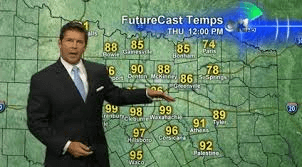
A scientist who studies weather is called ...
a)
a meteorologist
b)
an astronomer
c)
a biologist
d)
a weatherologist
28.
What can happen when an area does not get enough rain?
a)
Drought
b)
Flood
c)
Sleet
d)
Hail
29.
What is the temperature according to the thermometer?
a)
70 degrees F
b)
60 degrees F
c)
70 degrees F
d)
65 degrees F
30.
This weather instrument is a...
a)
anemometer
b)

wind sock

c)
wind vane
d)
barometer
31.

Which of these is not a part of weather?

a)

temperature

b)

wind

c)

volcanoes

d)

precipitation

32.

Volcanoes create new land on the Earth’s surface when –

a)

lava flows cool and harden to form rock.

b)

an eruption destroys the side of a mountain.

c)

magma forms giant underground chambers.

d)

saltwater touches lava and changes into steam.

33.

A landslide is most likely to be caused by –

a)

strong winds.

b)

breaking rocks.

c)

heavy rains.

d)

cold weather

34.

Which of the following most likely caused the change to the Earth’s surface illustrated here?

a)

Landslide

b)

Thunderstorm

c)

Volcano

d)

Earthquake

35.

Lava from a volcanic eruption can change the Earth’s surface by –

a)

forming new land.

b)

making oceans boil.

c)

carving deep valleys.

d)

pushing aside hills.

36.

The rock layers pictured here have split and shifted.

What most likely caused this change?

a)

River

b)

Landslide

c)

Volcano

d)

Earthquake

37.

Rocks, loose soil and sand rapidly sliding down a slope are a change to the surface of the earth known as a -

a)

delta.

b)

volcano

c)

landslide

d)

glacier

38.

Which events force melted rock from deep in the Earth toward the surface and build it up on the earth’s surface?

a)

Landslides

b)

Volcanic eruptions

c)

Earthquakes

d)

Mountain Building

39.
The molten rock BENEATH Earth's surface is called...
a)
volcano
b)
crust
c)
magma
d)
epicenter
40.
Sudden movement of loose rock and soil down a steep slope is called a...
a)
avalanche
b)
landslide
c)
earthquake
d)
creep
41.
A very large ocean wave that is caused by an underwater earthquake is a/an...
a)
flood
b)
tsunami
c)
rockslide
d)
weathering
42.
A/An ________________ is an opening in Earth's crust through which hot ash, gases, and molten rock escape.
a)
volcano
b)
fault 
c)
earthquake
d)
creep
43.
Molten rock that reaches Earth's surface is called...
a)
smoke
b)
lava
c)
ash
d)
magma
44.
Volcanoes, landslides, and earthquakes are examples of __________ changes to Earth's surface.
a)
sudden
b)
slow
c)
gradual
d)
slight
45.

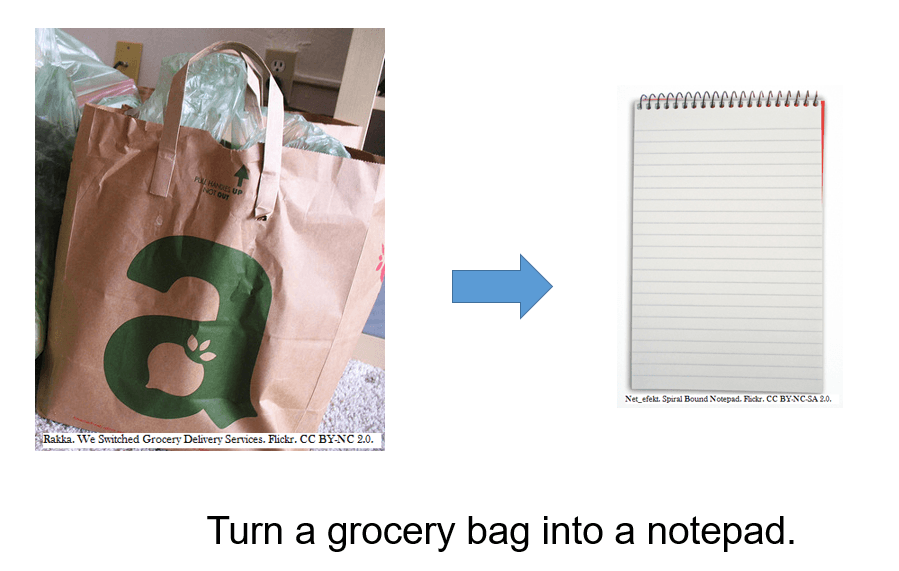
Turn a grocery bag into a notepad. Reduce, reuse, recycle, or trash?

a)
b)
c)
d)
46.

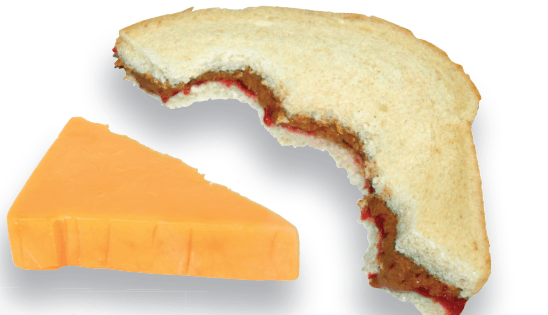
Leftover food. Reduce, reuse, recycle, or trash?

a)
b)
c)
d)
47.

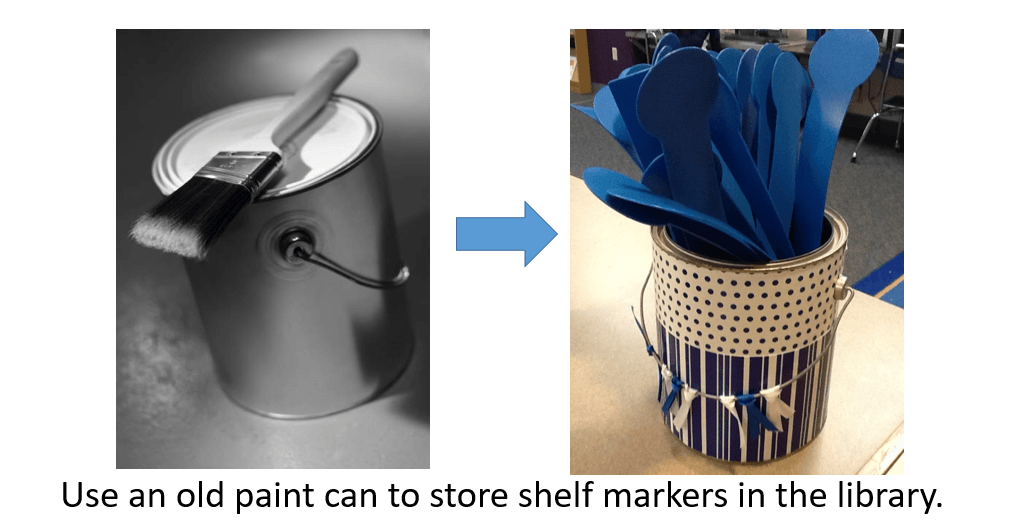
Use and old paint can to store shelf markers in the library. Reduce, reuse, recycle, or trash?
a)
b)
c)
d)
48.

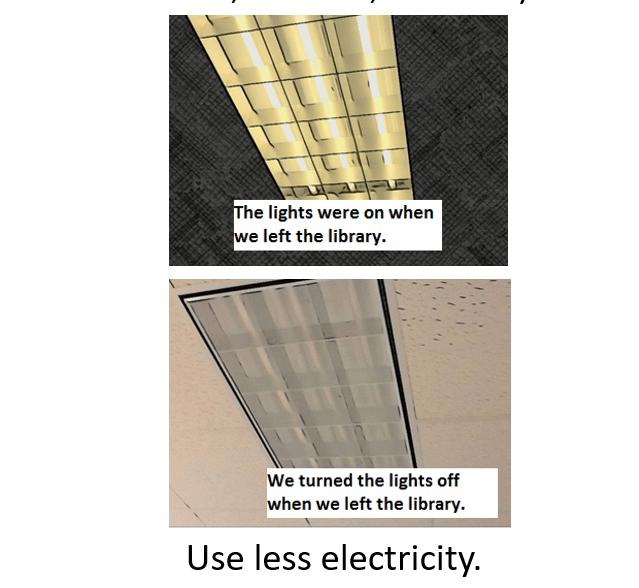
Use less energy and turn off the lights. Reduce, reuse, recycle, or trash?

a)
b)
c)
d)
49.
What is the term used to describe objects that are being washed and used again?
a)
recycling
b)
reducing
c)
reusing
d)
buying 
50.

To decrease or lower

a)

Reduce

b)

Donate

c)

Reuse

51.

To use something again and again

a)

Reduce

b)

Donate

c)

Reuse