
Font size
 Worksheets
YR 8 Assessment 2 CURE
Total questions: 94
Worksheet time: 1hrs 13mins
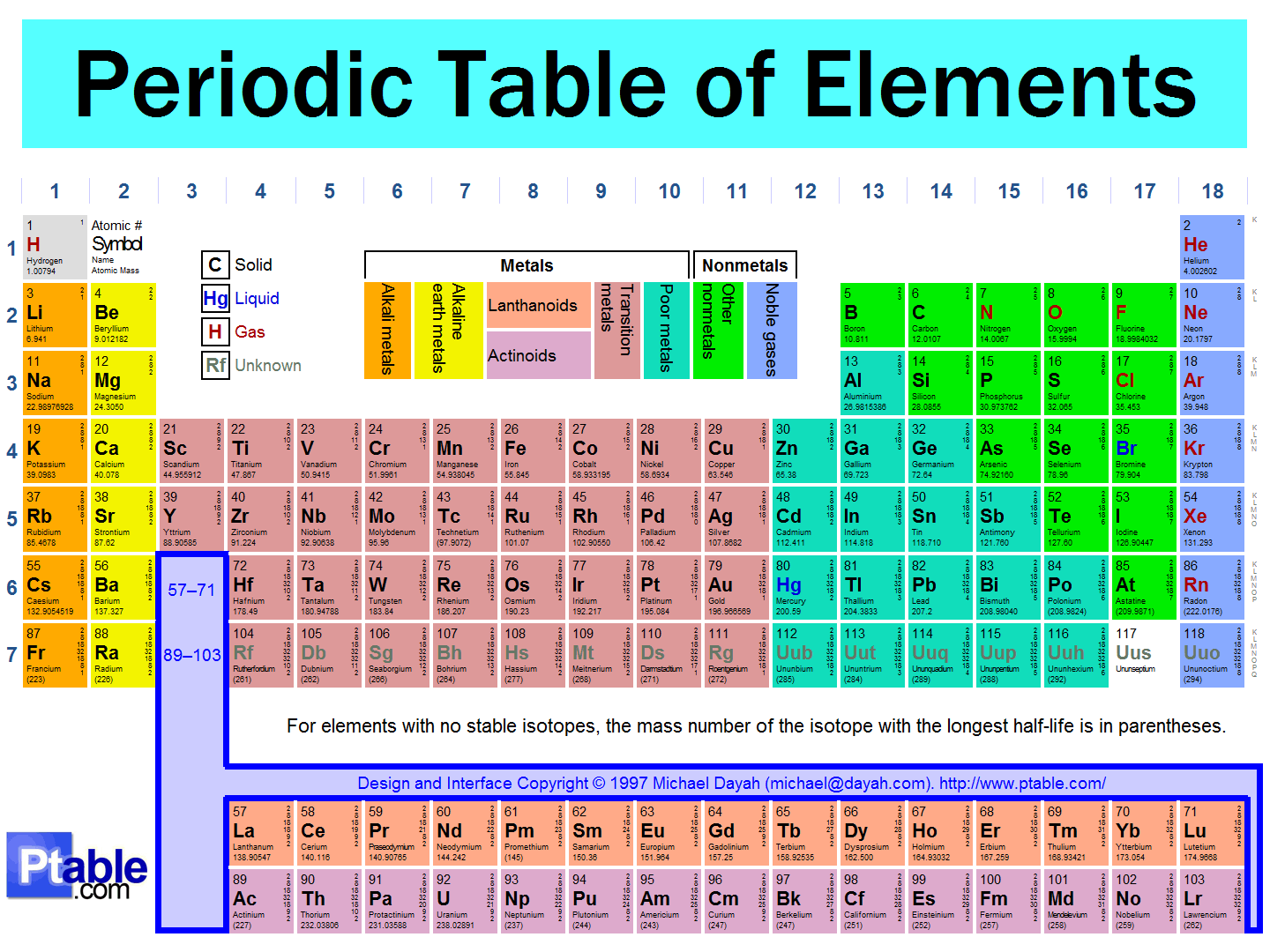
The vertical (up and down) columns in the Periodic Table are called
groups
towers
periods
atomic numbers

How many electrons are in the outer shell of an atom of an alkali metal?
Hint: What group number are the alkali metals?
1
7
8
Which of these physical properties do group 1 elements have?
They have high densities
They are hard
They have low melting points compared to other elements
Which statement describes the trends in reactivity in groups 1 and 7?
Read these carefully...
The reactivity of the group 1 elements decreases down the group and the reactivity of the group 7 elements increases down the group
The reactivity of the group 1 and group 7 elements increases down the group
The reactivity of the group 1 elements increases down the group and the reactivity of the group 7 elements decreases down the group
What happens in the reaction of group 1 elements with water?
They turn into a powder
They do not react with water
They fizz and can catch on fire
Iron + copper oxide =
Iron + copper oxide
Iron oxide + copper oxide
Iron oxide + copper
Magic

Which of the following is more reactive?
Calcium
Magnesium
Zinc
Magnesium

Will the following reaction take place?
Ni + NaCl ->
NO
YES
Which one of the following combinations result in a displacement reaction?
Iron with magnesium chloride
magnesium with iron chloride
Iron with Zinc Sulphate
gold with silver nitrate
What will the products of this reaction be?
calcium + zinc nitrate --------->
Calcium + zinc nitrate
Zinc + calcium nitrate
there will be no reaction
Zinc + calcium chloride

This is the symbol for a...
Thermistor
Bulb
Fixed Resistor
Ammeter

This is the symbol for a...
Motor
Ammeter
Bulb
Voltmeter

This is the symbol for a...
Light Dependent Resistor
Light Emitting Diode
Thermistor
Cell

This is the symbol for a...
Light Emitting Diode
Fuse
Fixed Resistor
Variable Resistor

This is the symbol for a...
Bulb
Voltmeter
Ammeter
Motor

This is the symbol for a...
Light Emitting Diode
Light Dependent Resistor
Fuse
Cell

This is the symbol for a...
Fuse
Cell
Fixed Resistor
Variable Resistor

This is the symbol for a...
Battery
Thermistor
Motor
Fuse

This is the symbol for a...
Thermistor
Fixed Resistor
Variable Resistor
Fuse

This is the symbol for a...
Fixed Resistor
Variable Resistor
Light Dependent Resistor
Fuse

If the switch is open in a circuit, then...
...electricity will flow.
....electricity will NOT flow.
This switch is open.
True
False


Magnets have _______ poles
two
three
four
five
The two poles of a magnet are called ...
East and West
North and North
North and South
South and South
If you put a North pole and a North pole together the magnets will ...
do nothing
attract
repel
If you put a North pole and a South pole together the magnets will ...
attract
repel
do nothing
If you put a South pole and a South pole together the magnets will ...
attract
do nothing
repel
Plastic is ...
magnetic
not magnetic
a type of metal
_______________ are magnetic.
colouring pencils
rubbers
scissors
plastic rulers
Select the diagram with the weakest magnetic field
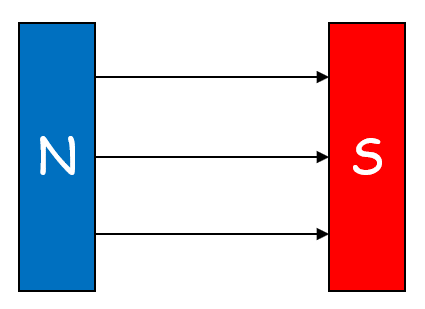
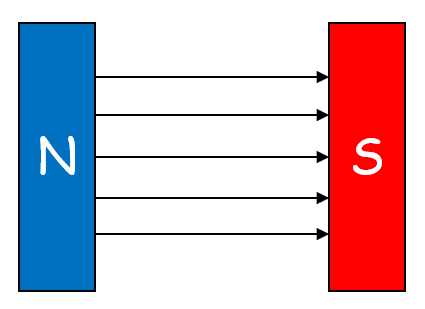

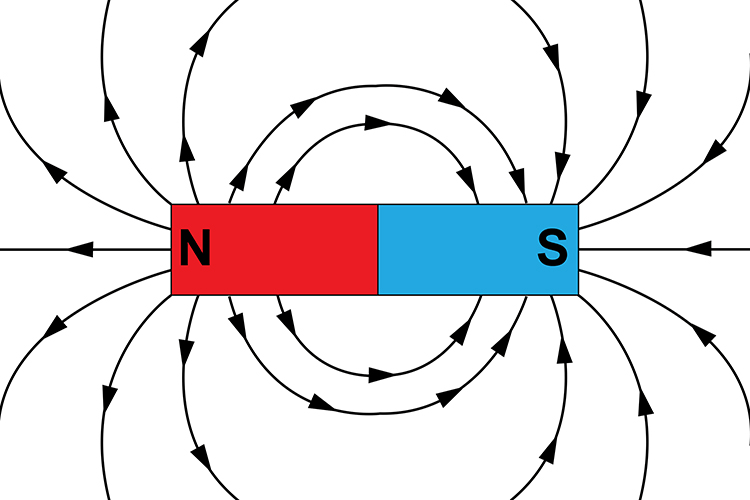
Where is the magnetic field the strongest around a bar magnet?
far away from the magnet
at the side of the magnet
at the poles
above the magnet
The field lines in a uniform magnetic field are...
randomly spaced
evenly spaced
parallel
perpendicular
straight
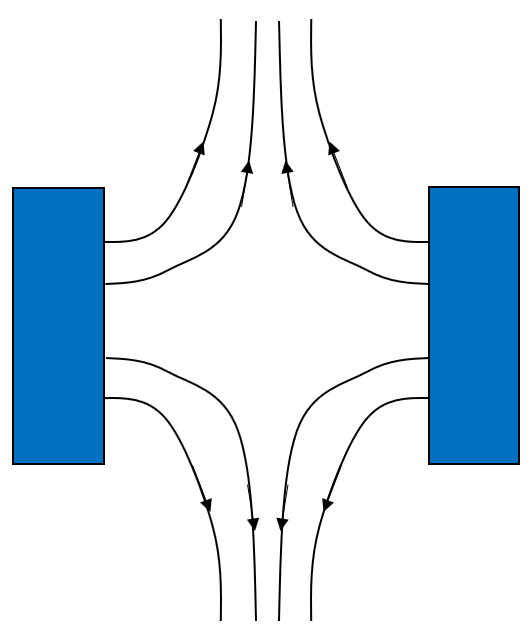
Are the poles in the diagram north poles or south poles?
(a)
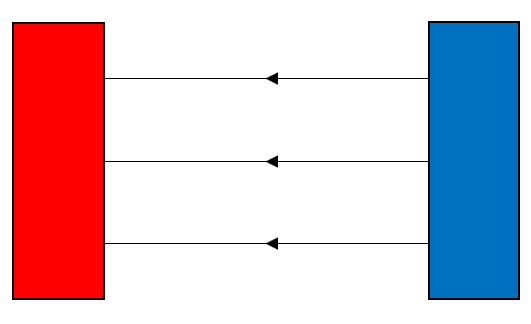
What type of pole is the red pole in the diagram?
(a)
The Earth has a magnetic field because the (a) of the Earth is made of iron and nickel.

Are the magnetic field lines in the picture correct?
Yes, because they point from north to south.
No, because they point from north to south (they're supposed to go the other way).
No, because the North pole is on the left in all pictures (it's supposed to be on the right).
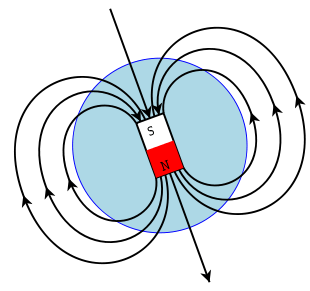
The area of magnetic force around a magnet is known as its _____________.
magnetic field
magnetic declination
magnetic fan lines
magnetic tan lines

A ________ is a device that has a magnet on a needle that spins freely. It is used for navigation because its needle usually points north.
calculator
ruler
compass
map
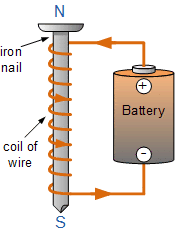
Electromagnet
Generator
Electron Magnet
Magneto's Helmet
Which of the following materials would make good conductors of electrical current?

rubber

steel

copper

wood

plastic

A junkyard needs a magnet to separate iron and nickel scraps from other items. The scraps will be placed in a container for recycling. A manager is deciding whether to purchase an electromagnet or a bar magnet. Which is the BEST reason to choose an electromagnet or a bar magnet?
An electromagnet because it attracts iron and nickel
A bar magnet because it is a permanent magnet
A bar magnet because it is stronger than an electromagnet
An electromagnet because it can be turned on and off

An electromagnet can only work if it has _____________
magnetic poles
a switch
electric current
a bar magnet

Which of these is a way to make an electromagnet stronger? (a)
Drag the terms to the correct area on the image:
Battery
Wire
Iron Core
Magnetic Field
Which nutrient is used by your body for growth and repair?
carbohydrates
proteins
fats
vitamins and minerals
What is the main purpose of the digestive system?
To pump blood
To breathe
To break down food and absorb nutrients
To see and hear
Which organ in the digestive system produces digestive juices to help break down food?
Stomach
Liver
Small intestine
All of the the named organs in this question
What is the name of the tube that carries food from your mouth to your stomach?
Trachea
Oesophagus / gullet
Small intestine
Large intestine
Where does digestion begin in the human body?
Stomach
Small intestine
Large intestine
Mouth
Order the organs correctly to show which organs food passes through the digestive system
Mouth
Oesophagus / gullet
Stomach
Small Intestine
Large intestine
Identify the stomach in the diagram
Identify the small intestine in the diagram
it is the organ that releases a lot of acids and enzymes that breaks down food particles(bolus)
mouth
esophagus
tongue
stomach
This organ secretes bile breaking down fats
stomach
liver
mouth
pancreas
This organ releases pancreatic enzymes to help digest food particles(chyme)
stomach
liver
pancreas
intestine
It is the organ where food particles are further broken down, absorbed and transferred into the body through the blood.
stomach
small intestine
large intestine
liver
What are proteins broken down into by protease enzymes?
Fatty acids
Amino acids
Glucose
Sucrose
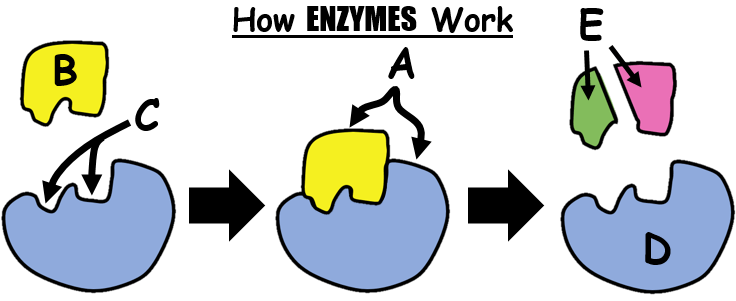
What organ secretes carbohydrase, protease and amylase?
Pancreas
Stomach
Mouth
Small Intestine
Which enzymes are produced only in the pancreas and small intestine?
Protease
Carbonhydrase
Lipase
What is the function of an enzyme?
enzymes break themselves into small pieces
enzymes slow down chemical reactions
enzymes speed up chemical reactions
enzymes are a wave-like muscular motion
Lipase breaks down fats into:
fatty acids and glycerol
amino acids
fatty acids and glycogen
maltose
Respiration only occurs in animals.
True
False
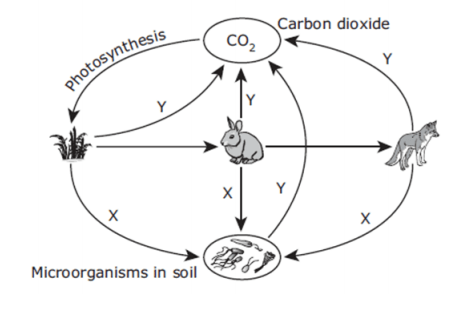
Y : Predation
Y : Decomposition
Y : Nitrogen Fixation
Y : Respiration
Why is burning fossil fuels harmful?
they cause cancer
They can get extremely hot
it increases the amount of carbon dioxide in the atmosphere
this would destroy fossils
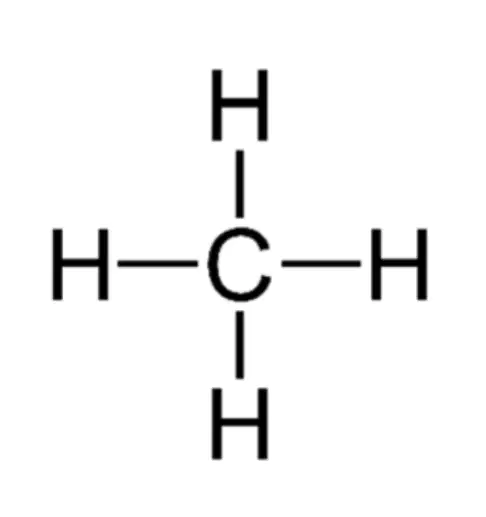
Name the hydrocarbon.
Propane
Methane
Hexane
Hexene
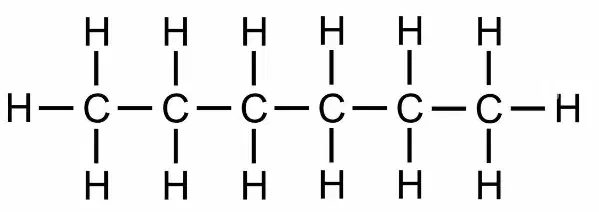
Name the hydrocarbon.
Propane
Methane
Hexane
Hexene
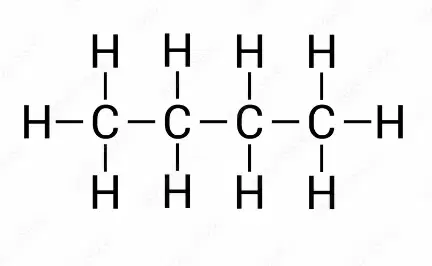
Name the hydrocarbon.
Ethyne
Pentene
Propene
Butane
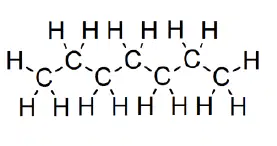
Methane
Propane
Heptane
Hexane

Propyne
Butene
Pentane
Butyne

What is the name of the Alkenes that has 4 carbon atoms in the longest chain?
Butane
Butyne
Butene

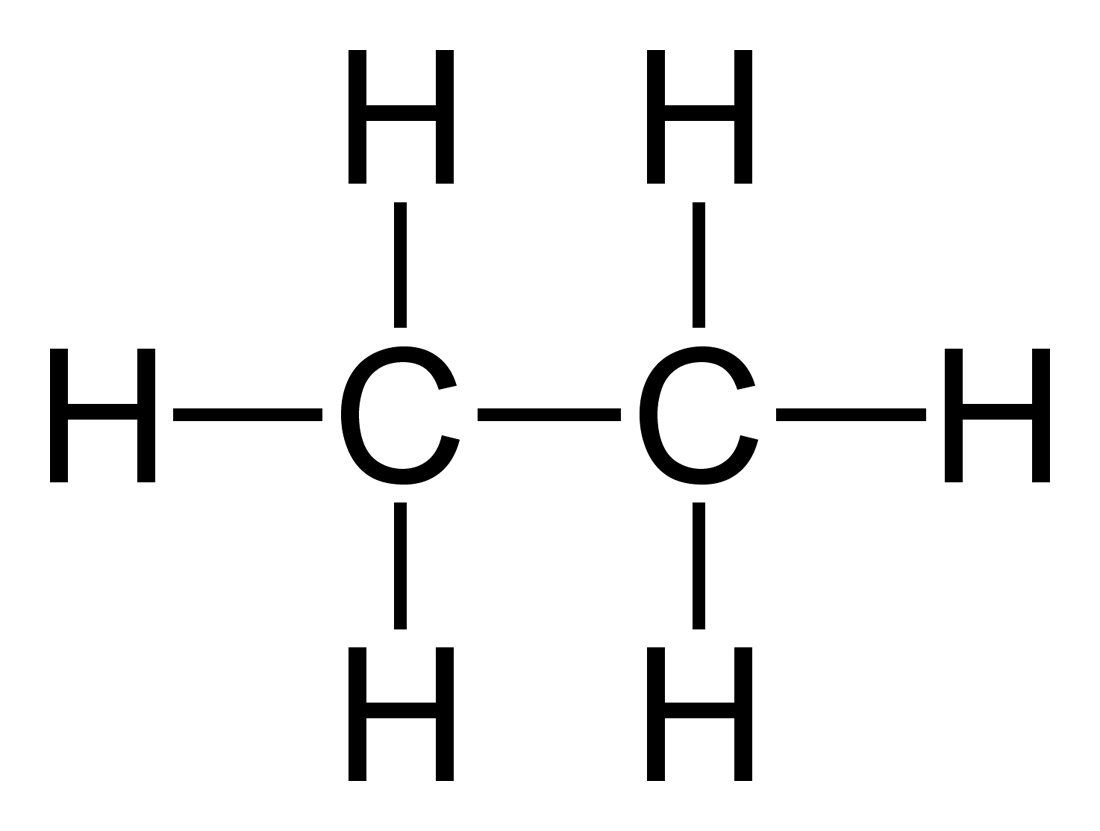
Match the following

Methane

Propene

Pentane

Ethane

Ethene

