
Font size
 Worksheets
ANCIENT GREECE REVIEW
Total questions: 85
Worksheet time: 1hrs 12mins
American form of government
Aristocracy
Direct Democracy
Representative Democracy
Tyranny
What is Greece's hilly terrain (land) good for?
lots of farming
communication between city-states
growing grapes and olives
providing water for the crops
What do we call land with water on 3 sides?
island
continent
peninsula
city
Which of the following is NOT TRUE about the geography in Greece?
They became excellent fishermen, sailors and traders
There was lots of farmland to grow crops.
The mountains made it difficult to communicate and travel
Trade was very important
Who did the Greeks defeat in a war using a wooden horse?
Trojans
Minoans
Romans
Egyptians
Greece is a
island
peninsula
continent
Mountain

Which group(s) of people were not allowed to be citizens in Athens? (select all that apply)
Men
Women
Slaves
Foreigners


(It housed a fort and a temple to the city-state's local god or goddess)


(Also, the largest city-state by a wide margin)


For instance, women COULD NOT participate in political activities or own property, and they were always under the care of a male family member.

What was it called?


What was this war called?

A Spartan's name for an enslaved soldier.
Tyrant
Helot
Democracy
Oligarchy
What did the Spartans use to control its citizens?
the helots
the military
forced physical punishments
the government
Which statement correctly describes a boys life in Athens and Sparta.
Athenians went to school; Spartans served in the military
Athenians studies combat; Spartans played sports
Athenian boys lived in barracks; Spartans lived at home
Athenian boys became citizens at 30; Spartans never became citizens.

Greek civilization began in an area dominated by...
mountains and lakes
seas and mountains
rivers and plains
deserts and forests

Communities in ancient Greece were separated by
rivers and deserts
rugged mountains and valleys
rivers and forests
deserts and mountains
The Greeks developed the modern concept of citizenship.
True
False
Greeks used mythology
as a way to explain the practices and beliefs of their people
for fun
to use in plays and performances
as a ritual
What is a fable?
a funny story
a place where horses and sheep are kept
A story meant to teach a lesson
a scary film
Which would be an example of Greek architecture?
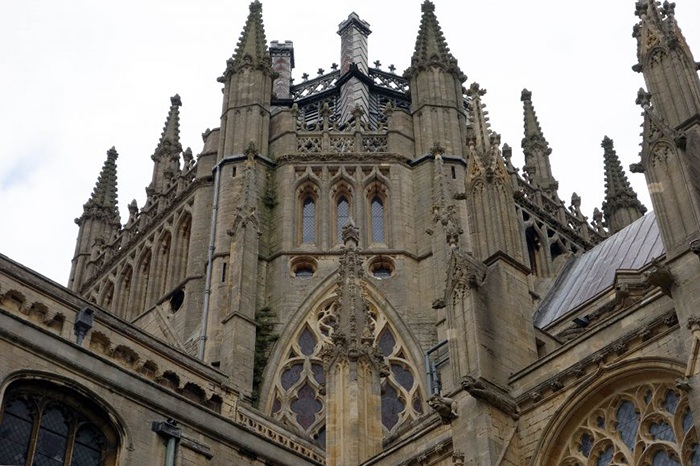
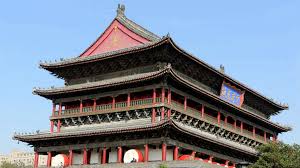
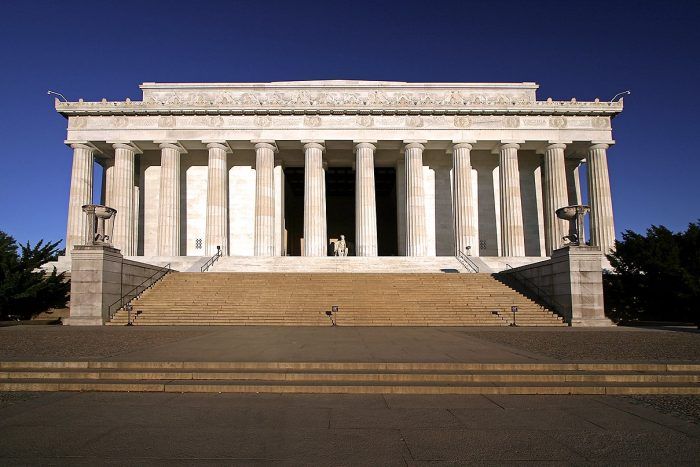
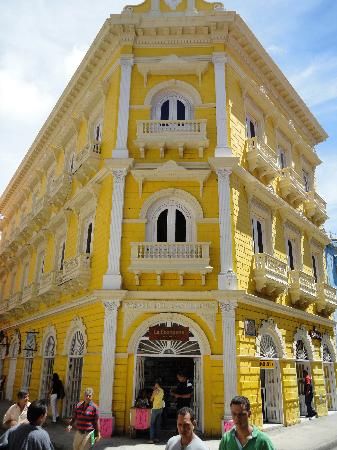
Who is the Greek god of the seas?
Zeus
Hades
Poseidon
Hermes
What is an agora?
a Greek goddess
a type of instrument
A Greek gathering place
a serpent
Greece is made up of hundreds of islands
True
False
Which continent is Greece part of?
Africa
North America
Europe
Asia

Which continent is Europe?
1
5
6
4
Which city-state was the birthplace of democracy?
Sparta
Thebes
Athens
Who rules in a monarchy?
the people
a small group of elites
king or queen
Who rules in an oligarchy?
the people
small group of elite
king or queen
Who rules in a democracy?
the people
small groups of elite
king or queen
Even though Greek city-states had their own government, the people of ancient Greece were united by common _____________________.
food sources
language and gods
laws
How were Athens and Sparta different? Pick 2
Athens was focused on education. Sparta was focused on building a strong army.
Athens was focused on building a strong army, Sparta was focused on education.
They were not different.
Athens was a democracy. Sparta was an oligarchy.
Athens was an oligarchy. Sparta was a democracy.
How were girls treated in Athens?
Girls were able to do anything boys did in Athens.
Girls were uneducated, unless they were from a wealthy family. Girls could not vote.
Girls were allowed to own businesses but not vote.
How were girls treated in Sparta?
Girls were not allowed to fight, but they were trained so they could produce strong children.
Girls had more control of the government.
Girls were educated but not trained in fighting.
Who was the main god in Greece?
Athena
Zeus
Poseidon
Hades
Which Greek philosopher started The Academy and did not believe in democracy?
Socrates
Aristotle
Plato
Which Greek Philosopher helped prepare Alexander the Great for his future military career?
Socrates
Aristotle
Plato
Alexander the Great was Greek, True or False?
True
False
Why was Alexander considered to be "great"?
He was very rich.
He had conquered all of the Mediterranean region by age 32.
He was a handsome man, and all of Greece knew of him because of this.
Which of these is NOT true about the geography of Ancient Greece?
Greece is made up of small islands and peninsulas
Greece had a lot of good farmland
Greece is rocky and mountainous
The mountains and seas isolated Greek city-states
What did the ancient Greeks become very good at building because of their geography?
Castles
Pyramids
Ships
Weapons
What did all of the Greek city-states have in common?
They shared the same language
They all valued education and the arts
The all had the same type of government
All of these
Which Greek city-state became the most powerful and important of them all around 700 B.C.?
Minoa
Troy
Athens
Sparta
Who was allowed to be a citizen in Ancient Athens?
Men and women
All men, but no women
Men that had two parents from Athens
Anyone that lived in Athens
What type of democracy did Athens have?
Representative
Authoritative
Participatory
Direct
The most powerful Gods in Ancient Greece were known as the:
Titans
Olympians
Athenians
Spartans
What did the ancient Greeks build to honor their gods?
Temples like the Parthenon
Oracles
Pyramids and obelisks
None of these
What was the purpose of the ancient Olympics?
It was a festival for the Gods
To find out who the strongest person in Greece was
To make money
All of these
What field of study are Socrates, Plato, and Aristotle famous for?
Literature
Philosophy
Mathematics
Science
Who wrote the "Iliad" and the "Odyssey?"
Socrates
Homer
Aristotle
Plato
Athens, Sparta, or both: Required men to serve in the military
Athens
Sparta
Both
Athens, Sparta, or both: Women had few rights.
Athens
Sparta
Both
Athens, Sparta, or both: Valued education and the arts.
Athens
Sparta
Both
Athens, Sparta, or both: Boys began their military training at age 7;
Athens
Sparta
Both
Athens, Sparta, or both: used helots to do most of the work;
Athens
Sparta
Both
Athens, Sparta, or both: Fought against Persia in the Persian Wars.
Athens
Sparta
Both
Which of these places did Alexander the Great NOT conquer?
Persia
Egypt
China
Indus River Valley
What happened to Alexander's empire after his death?
It was passed on to his son, Phillip II
It was taken over by Sparta
It was divided into 3 Kingdoms
It was returned to the people he conquered
What was so important about Alexander the Great's conquest?
It united the ancient world
It helped spread Christianity
It spread Greek culture throughout the Ancient world
It was not really that important
a traditional story that explains the practices or beliefs of a people or something in the natural world
Epicureanism
Rhetoric
Fable
Myth
a set of promises about patient care that new doctors make when they start practicing medicine
Hippocratic oath
Stoicism
Socratic method
Oracle
philosophical method of questioning to gain truth
Rhetoric
Socratic method
Epicureanism
Ritual
How did the mountains of the countryside affect ancient Greece?
The climate was very cold
They limited the availability of farmland
Rock slides were common
Early Greeks lived in caves
Part of Greece is a peninsula meaning that…
It has a tropical climate
It is uninhabitable
It is not part of mainland Greece
It is surrounded by water on three sides
Which city is the capital of Greece?
Peloponnesus
Athens
Sparta
Olympus

