
 Worksheets
Electricity and Circuits
Total questions: 25
Worksheet time: 22mins
What is the interaction of electric charges that causes the flow of electrons from one place to another called?
Static Electricity
Electric Current
Electricity
Insulation
Electricity travels at the speed of ______.
Sound
Light
Water
Wind
Fill in the blank: A substance that allows electric current to pass through is called a ______.
A) Insulator
B) Conductor
C) Resistor
D) Capacitor
Electricity is the interaction of electric charges and the flow of ______ from one place to another.
protons
neutrons
electrons
ions
What is the property of protons and electrons that make up every atom?
Mass
Electric charge
Volume
Density
Fill in the blank: Materials that do not allow electric current to flow through them easily are called ________.
Conductors
Insulators
Semiconductors
Resistors
Which best briefly summarizes the law of electric charges?
Charges always repel.
Charges always attract.
Charges that are opposite in nature attract; charges that are the same in nature repel.
Charges that are opposite in nature repel; charges that are the same in nature attract.
What is the buildup of electrical charges in one place called?
Neutrons
Static Electricity
Insulator
Conductor
What unit is electric current measured in?
Ω (Ohms)
V (Volts)
A (Amps)
W (Watts)
Which of the following would be the best example of a conductor?
a. a tire
b. a plastic spoon
c. a log
d. aluminum foil
All wires used to carry electricity should be covered with _____.
a. a colored material
b. a conducting material
c. an insulating material
d. none of these.
Which form of electric discharge appears in nature?
sunlight
thunder
lightning
northern lights

Why does a negatively-charged balloon stick to a neutral wall?
A negatively-charged balloon sticks to a neutral wall due to electrostatic induction. Electrons in the wall are pushed away, leaving behind protons, creating an attractive force.


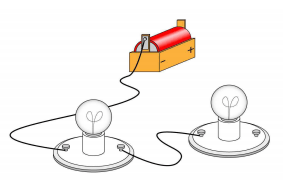

wire

light bulb

battery

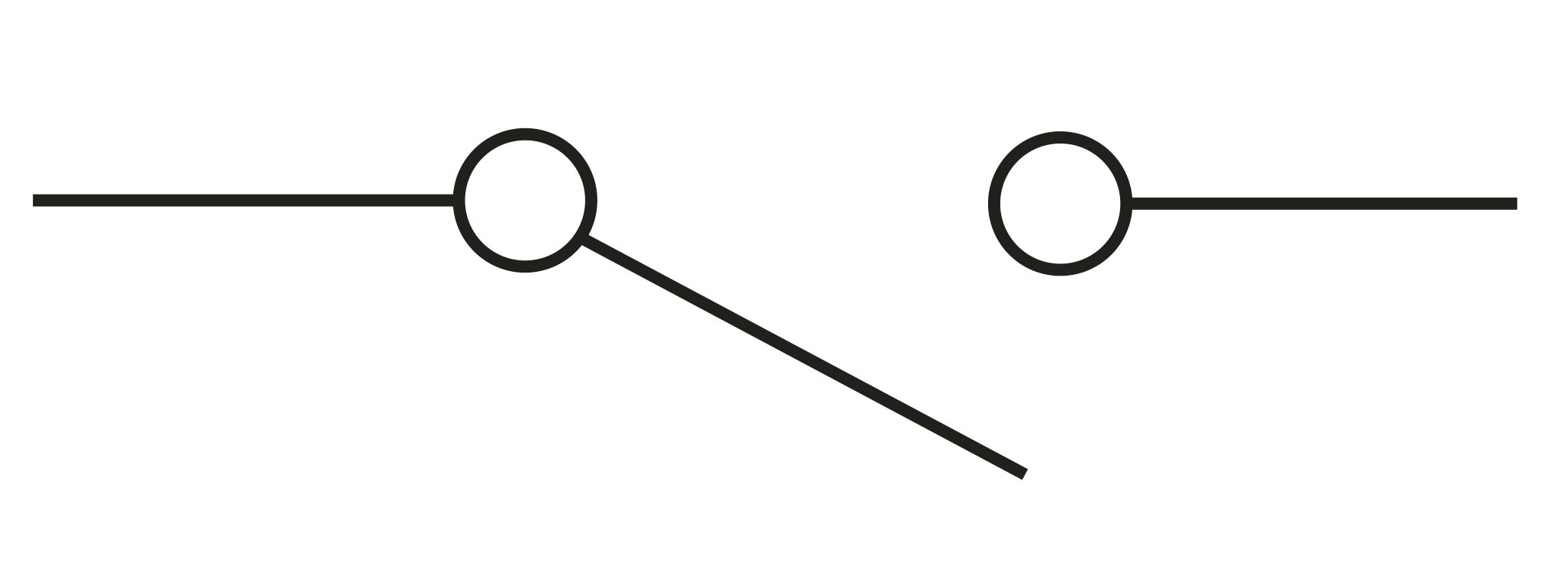
switch

electric circuit


Why electrical wiring usually are covered with a layer of plastic?
To make it look pretty
To help electricity flow along the wire
To make it safe
To add more energy

Why is a battery important in an electrical circuit?
As a source of energy.
As a path for electricity to flow through.
As a connector to connect all parts of a circuit.

