
 Worksheets
Fuel Categories Quiz
Total questions: 55
Worksheet time: 28mins
Which of the following is NOT one of the five categories of fuel ?
Natural gas
Liquid petroleum gas (LPG)
Nuclear fuel
Solid fuel
What is natural gas primarily composed of?
Hydrocarbon gases
Oxygen
Nitrogen
Carbon dioxide
Why is an odor added to natural gas before distribution?
To improve its energy content
To make it visible
To detect leaks
To change its color
What happens when natural gas is burnt?
It releases a low amount of energy
It releases a high amount of energy
It becomes solid
It turns into water
Where is natural gas commonly found?
In the atmosphere
In rivers
Below the Earth's surface
In forests
Which gas has the highest percentage composition in natural gas?
Ethane
Methane
Propane
Carbon dioxide
What is the chemical symbol for propane?
CH₄
C₆H₆
C₃H₈
C₄H₁₀
Which of the following gases is not typically found in natural gas?
Hydrogen sulphide
Nitrogen
Oxygen
Water vapour
What is the specific gravity range of natural gas?
0.2–0.4
0.4–0.6
0.6–0.8
0.8–1.0
How is natural gas distributed across the country?
By road transport
Through the National Grid
Via air transport
By sea routes
What is the calorific value range of natural gas?
20-25 MJ/m³
30-35 MJ/m³
37.8-43 MJ/m³
45-50 MJ/m³
What does the calorific value of natural gas represent?
The volume of gas
The weight of gas
The amount of energy stored
The color of gas
What are the two commonly used LPG gases?
Methane and Ethane
Propane and Butane
Ethylene and Propylene
Methanol and Ethanol
What is the chemical formula for propane?
C2H6
C3H8
C4H10
C5H12
What is the specific gravity of butane?
1.0
1.5
2.0
2.5
Which LPG gas has a specific gravity of 1.5?
Methane
Butane
Propane
Ethane
What is the chemical formula for Propane?
C₄H₁₀
C₃H₈
C₂H₆
C₅H₁₂
Which LPG has a higher energy content per cubic meter?
Propane
Butane
Both have the same energy content
Neither has energy content
Which LPG has a higher relative density compared to air?
Propane
Butane
Both have the same relative density
Neither has relative density
What happens to LPG when it is subjected to high pressure?
It turns into a gas and expands.
It turns into a liquid and takes up less space.
It remains unchanged.
It evaporates completely.
What color bottle is used to identify propane?
Blue
Green
Red
Yellow
What is butane commonly used for?
Boilers and cookers
Camping equipment and barbecues
Water heaters and soldering
Refrigeration
What is kerosene a by-product of?
Natural gas
Crude oil
Coal
Biomass
What is the preferred grade of kerosene in the UK known as?
C1 grade 20 second viscosity oil
C2 grade 28 second viscosity oil
C3 grade 30 second viscosity oil
C4 grade 25 second viscosity oil
Why is kerosene the preferred grade for oil boilers in the UK?
Low cost
High availability
Clean combustion
High energy output
What is required annually for modern oil boilers?
Replacement of the burner
Cleaning of the fuel tank
Service to check the atomizing pressure jet burner
Inspection of the exhaust system
At what temperature does kerosene remain fluid?
-10°C
-20°C
-30°C
-40°C
What color is kerosene described as?
Dark brown
Bright red
Very pale yellow
Deep blue

What is the primary function of an oil boiler nozzle?
To regulate water flow
To control oil spray pattern
To measure temperature
To filter impurities
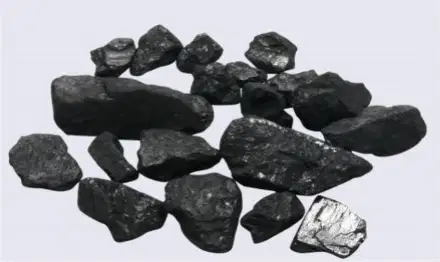
Which of the following is a main type of solid fuel used in the UK?
Natural gas
Coal
Diesel
Kerosene
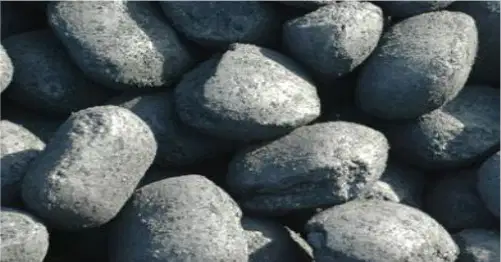
Which of these is NOT a type of solid fuel mentioned in the UK?
Coke
Peat
Wood
Coal
What is coal classified as?
A renewable resource
A fossil fuel
A mineral
A metal
Which type of coal has the highest carbon content?
Lignite
Sub-bituminous
Bituminous
Anthracite
How is coke produced?
By cooling coal to around 1000°C
By heating coal in a coke oven to around 1000°C
By mixing coal with water
By compressing coal at room temperature
What gases are given off when coal is heated to produce coke?
Oxygen and nitrogen
Methane gas and coal tar
Carbon dioxide and sulfur dioxide
Hydrogen and helium
What is a characteristic of coke when it burns?
It burns with a bright flame
It burns clearly and without a flame
It produces a lot of smoke
It cannot produce heat
In which industries is coke commonly used?
Textile and food processing
Steelmaking and chemical processes
Agriculture and fishing
Automotive and aerospace
What is peat primarily formed from?
Decaying animals
Decaying plants
Mineral deposits
Fossilized bones
Why does peat not decompose completely?
High temperature
Lack of oxygen
Excessive moisture
High pressure
Compared to coal, peat has:
Higher carbon content
Lower carbon content
The same carbon content
No carbon content
Which of the following is a source of low-carbon fuel?
Natural gas
Solar thermal
Coal
Diesel
What is a major factor when choosing fuel for installation?
Color of the fuel
Availability
Price of the appliance
Brand of the fuel
Why might rural areas rely on deliveries of LPG or solid fuels?
They prefer these fuels
They are cheaper
They are not connected to the national grid
They are more efficient
What can interrupt or cancel fuel deliveries in rural areas?
Holidays
Poor weather
High demand
Fuel shortages
What should be considered regarding gas appliances?
They can use any type of gas
They are specific to a type of gas
They are always dual fuel
They are interchangeable
Which type of fuel does not require any storage space?
Natural gas
Biomass
Oil
LPG
What is a requirement for storing biomass and solid fuels?
They need to be kept wet
They require a lot of space
They can be stored anywhere
They do not need any storage
Where can oil and LPG be stored according to legislation or manufacturers?
Inside the property
In open fields
In specialized tanks away from the property
In underground bunkers
What are some waste products from domestic fuel use that are harmful to the atmosphere?
Water vapor and oxygen
Soot and sulphur
Nitrogen and helium
Hydrogen and methane
Which gas emitted by most fuels is linked to global warming?
Oxygen (O₂)
Nitrogen (N₂)
Carbon dioxide (CO₂)
Helium (He)
What is the environmental concern associated with nitrogen dioxide (NO₂) emissions?
It is a greenhouse gas
It is extremely toxic in large quantities
It causes acid rain
It depletes the ozone layer
What should be considered when disposing of ash, soot, and clinker from fuel use?
They can be disposed of anywhere
They require careful consideration and advice from authorities
They are harmless and need no special disposal
They should be buried underground
Under the Clean Air Act of 1993, what can local authorities declare an area to be?
A smoke control area
A fuel-free zone
A pollution-free zone
A renewable energy area
Which type of fuel is generally exempt in smoke control areas?
Solid fuel
Oil
Biomass burners
Smokeless fuels
Which fossil fuel is generally the cheapest ?
LPG
Coal
Natural gas
Oil

