
NEW
Font size
 Worksheets
Astro 1500 Trivia - March 7th
Total questions: 28
Worksheet time: 56mins
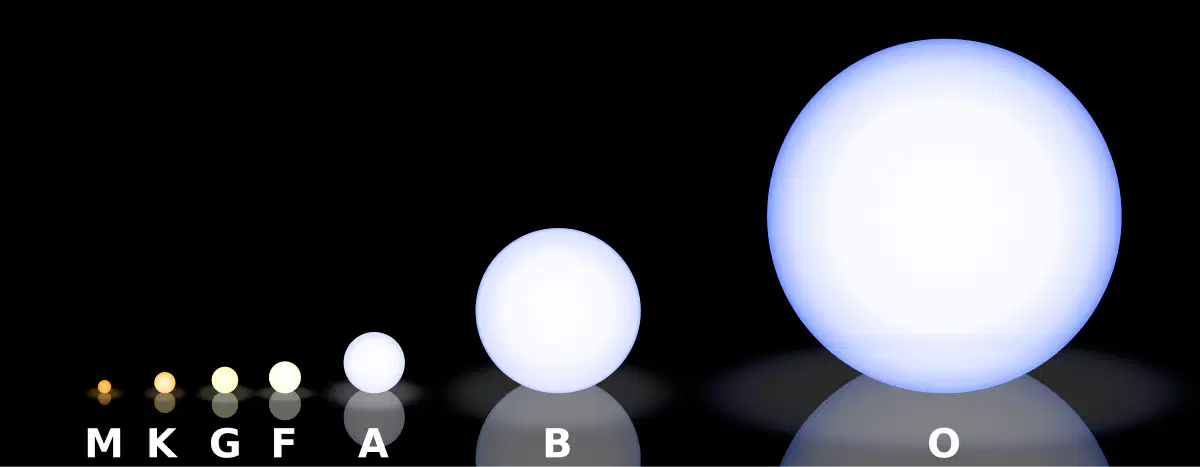
The Hertzsprung-Russell (H-R) diagram is a plot of ...
distance vs temperature
Temperature vs stellar class
luminosity vs temperature
Brightness vs distance
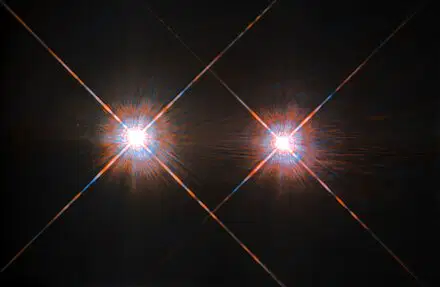
Delta Circini is an O-type star and Alpha Centauri B is a K-type star. Which one is brighter?
Delta Circini
Alpha Centauri B
They are the same brightness
We need more information

The region in the center of the HR diagram that slopes left is called the...
Normal Stars
Main Sequence
Normal area
Main section

Stars in the top right of the HR diagram are usually called...
Giants
White Dwarves
Planets
O type

Stars in the bottom left portion of the H-R diagram are called ...
Giants
White Dwarves
Supernovas
M types

The sun is a G-type star, with a solar luminosity of 1, where does it reside on the H-R diagram
With the giants
With the white dwarves
On the main sequence
The sun is not on the HR diagram

Betelgeuse is an M type star with a luminosity of 80,000 solar luminosities, it sits in the ___ region
Giant
White Dwarf
Main Sequence
Gas Cloud
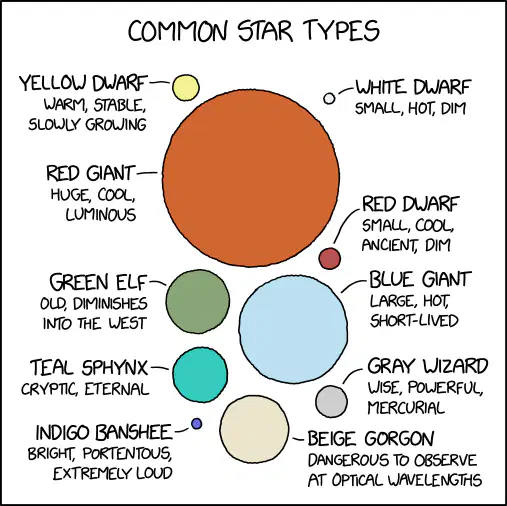
By far, the most common type of star in the universe is a...
Red giant (High Mass)
O-type main sequence (Variable Mass)
Sun-like Star (Medium Mass)
Red Dwarf (Low Mass)

The brightest star in the sky, Sirius, is actually a binary star system consisting of Sirius A and Sirius B. If Sirius A is twice as massive as Sirius B, which star will live longer?
Sirius A
Sirius B
We need more information
They both die in the 5th movie

Other than mass, what determines a star's evolution on the H-R Diagram?
Temperature
Composition
Luminosity
Distance from Earth
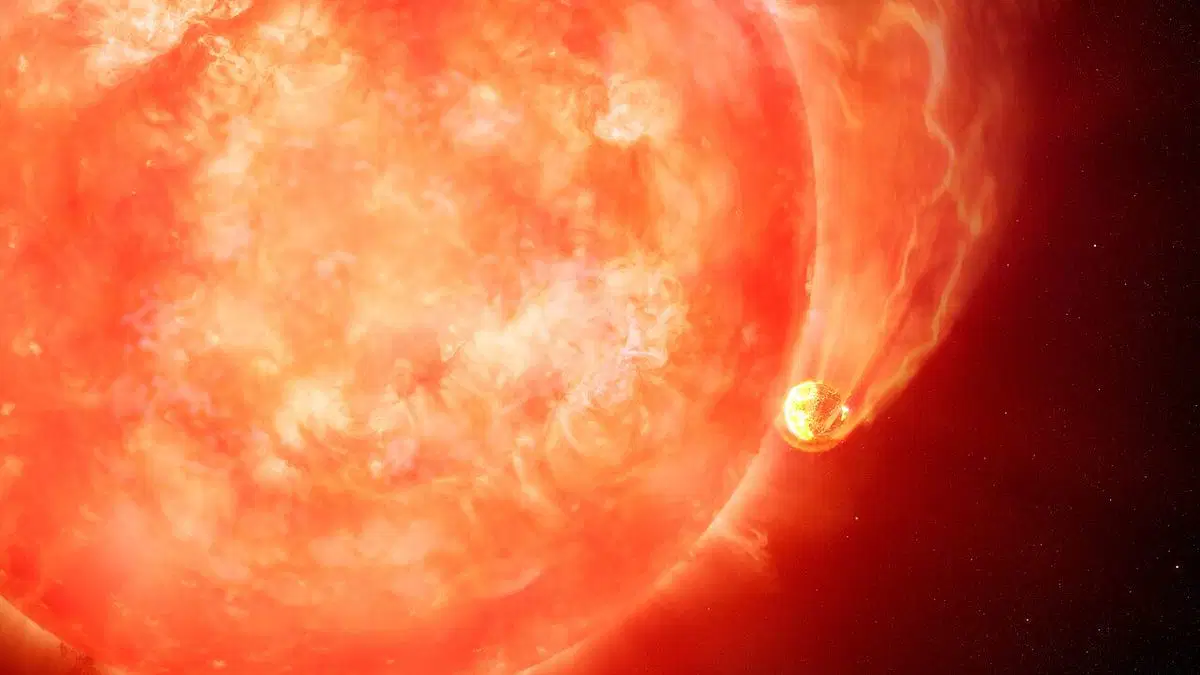
A star leaves the main sequence and becomes a giant star when ...
It uses up all it's available hydrogen
It gets too cold to keep fusing
It surpasses an age of 5 billion years
It begins performing nuclear fission
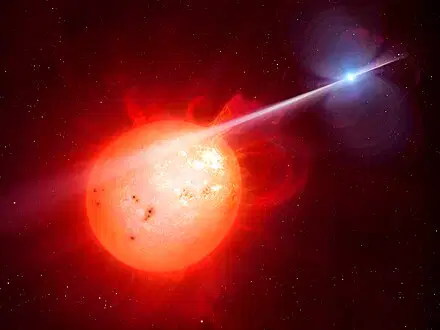
A star system where one star physically moves in front of the other, causing a dimming in the light we see on earth is called a ...
Visual Binary
Spectroscopic Binary
Eclipsing Binary
Really Cool Binary
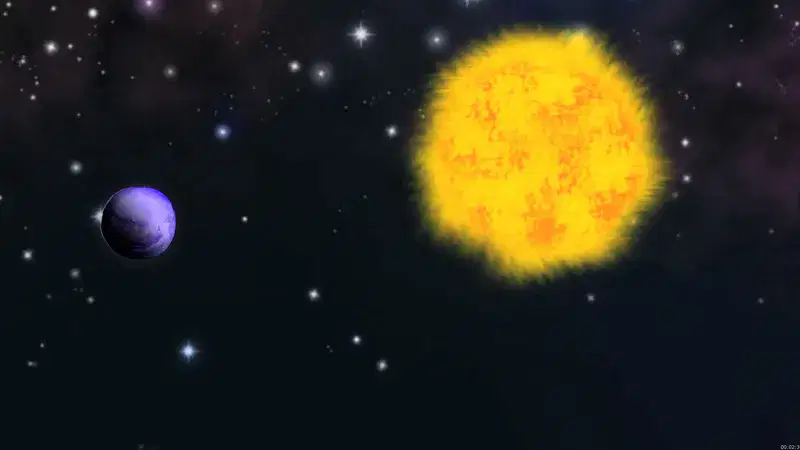
A binary system where we can clearly make out both individual stars and the stars are fairly far apart from each other is called a...
Visual Binary
Spectroscopic Binary
Eclipsing Binary
Really Cool Binary
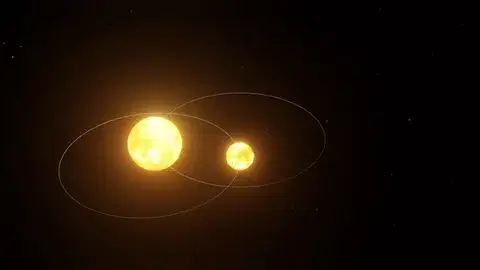
A binary system where the motion of the stars causes a shift in the emission or absorption lines is called a...
Visual Binary
Spectroscopic Binary
Eclipsing Binary
Really Cool Binary

What percent of all stars are in a binary or multiple star system?
5%
25%
50%
80%
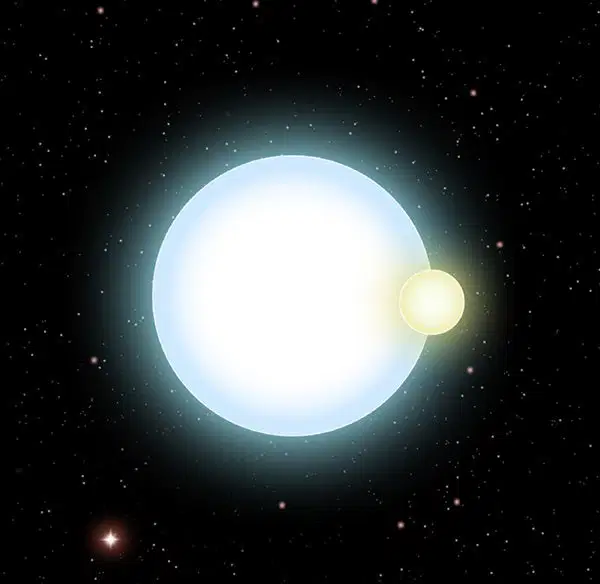
Which form of binary lets us determine the mass of stars?
Spectroscopic Binary
Eclipsing Binary
Eclipsing Spectroscopic
Binary
0101011101110010011011110110111001100111

If we can only learn the mass of stars in an eclipsing spectroscopic binary, how do we know the mass of other stars?
Estimate from similar stars where we do know the mass
Simulate them in a binary to get the information needed
Use its luminosity to get the radius
Look it up on Wikipedia
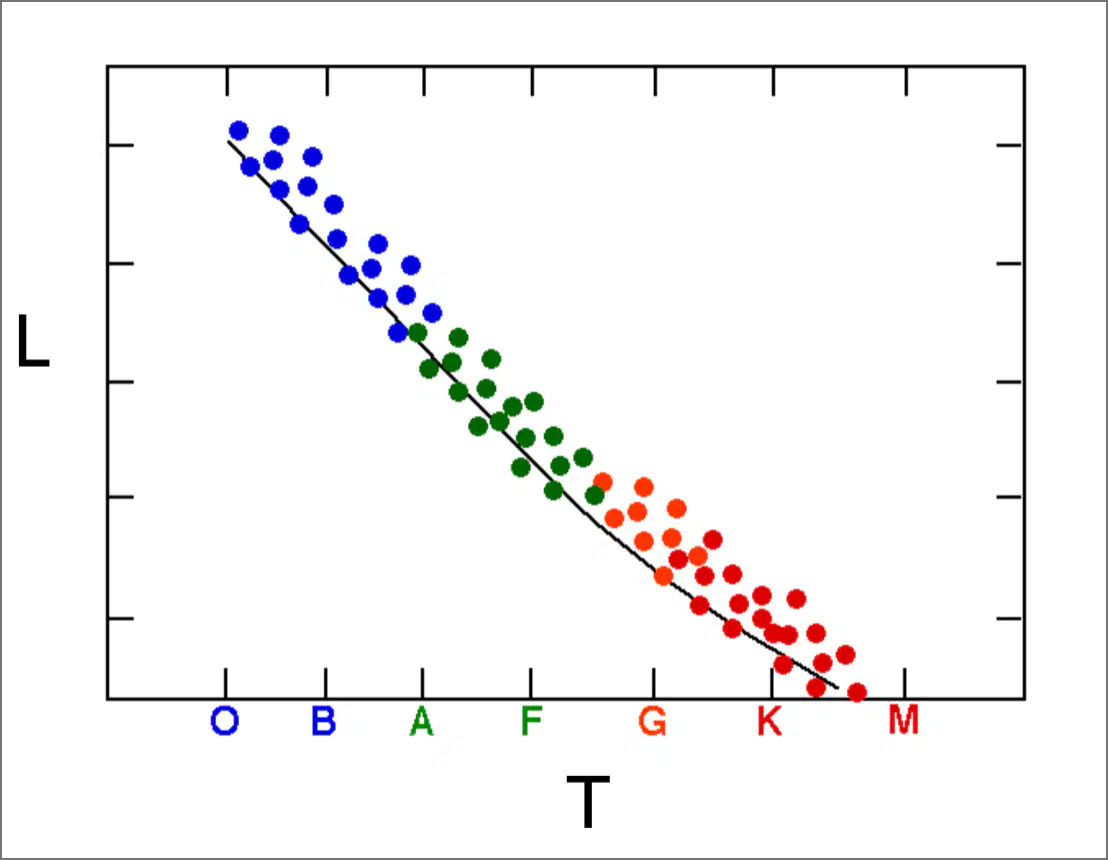
Mass and Composition determine the lifespan of a star. A high mass means a star will...
Live longer than a lower mass star
Live shorter than a lower mass star
Have a smaller radius than a lower mass star
Have a larger radius than a lower mass star

In ~4.5 - 5 billion years, where would you expect the Sun to be on the HR diagram?
Up and right from where it is now
Same place it is now
Down and left from where it is now
Down and right from where it is now

Higher mass stars have way more fuel (H) than smaller stars. Why do they live shorter lives?
The star can do so much fusion the pressure will overcome gravity and it will prematurely explode
They actually do live longer lives
They have a much stronger gravity, which causes the H to burn faster to maintain HS equilibrium
They aren't in equilibrium and will randomly explode

Because stars are ______ they do not collapse in on themselves.
Spinning
in Thermal Equilibrium with space
Have a photosphere
in Hydrostatic Equilibrium
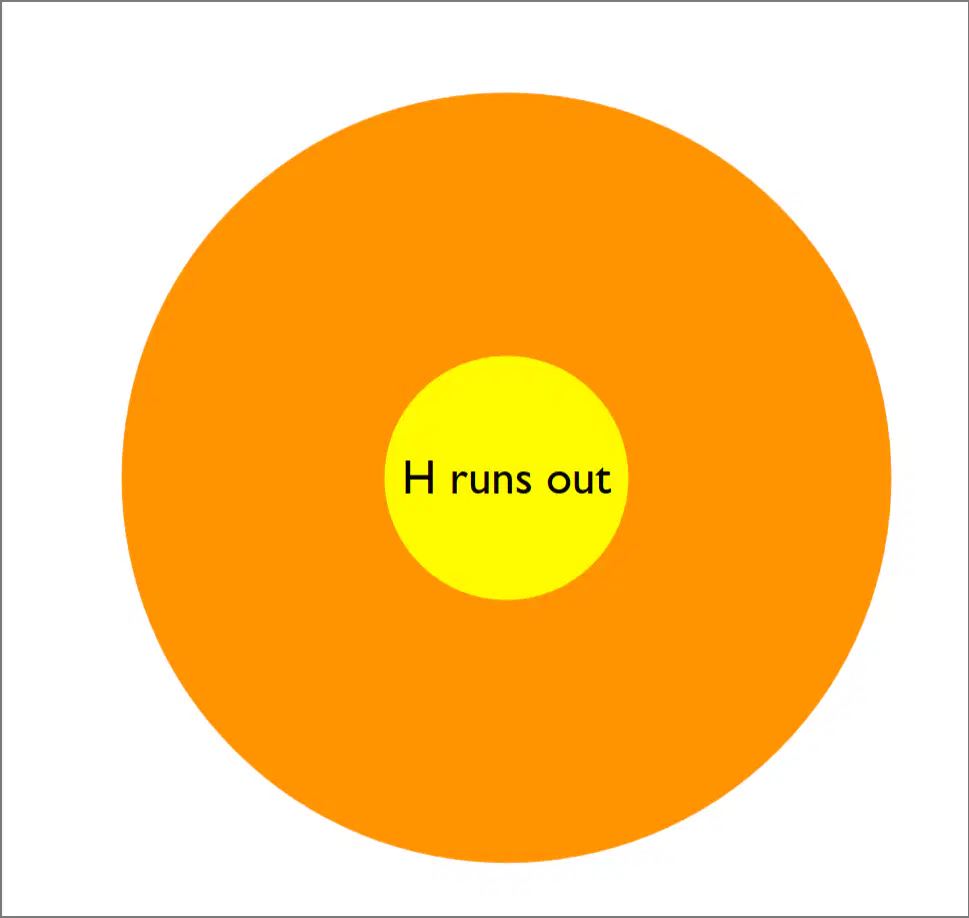
If a star runs out of hydrogen in the core, what would happen first?
The star will fuse helium instead
Gravity will pull the core inward, causing it to shrink
The star will collapse, and turn into a black hole
The star doesn't have fusion to stay in HSE so it just floats apart into gas

When the core starts to shrink, what happens to it?
It gets hotter, starting up fusion again inside the core
It gets hotter, starting fusion in a shell around the core
It causes the core to get colder which lets fusion happen again
It sends out an SOS signal
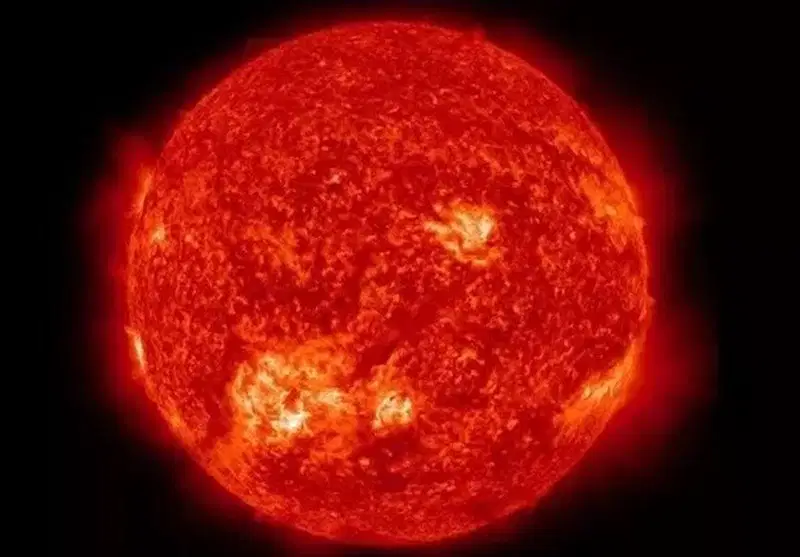
This then causes the star to turn into a red giant. What causes the star to get bigger and become a giant?
The new heat from the core causes the star to expand
The star burned all its hydrogen, which reduces its mass, causing gravity to be weaker
The star needs to be hotter to carry out fusion, so it expands to increase gravity
It doesn't, it actually just gets smaller

Why are star clusters useful for studying stellar evolution?
The stars are close together, we can see how they affect each other
The stars are close together, so we don't need to move the telescope as much
They have lots of stars with the same mass but different ages
They have lots of stars the same age with different masses
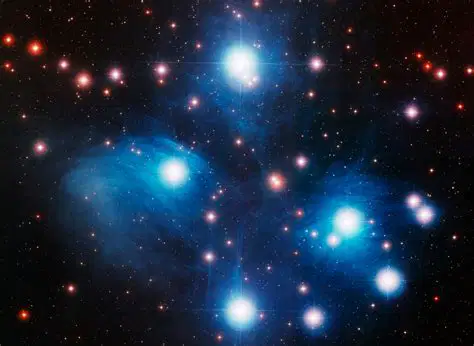
Which type of star cluster is the biggest?
Open Cluster
Globular Cluster
Association
The International Union of Stars (TIUS)
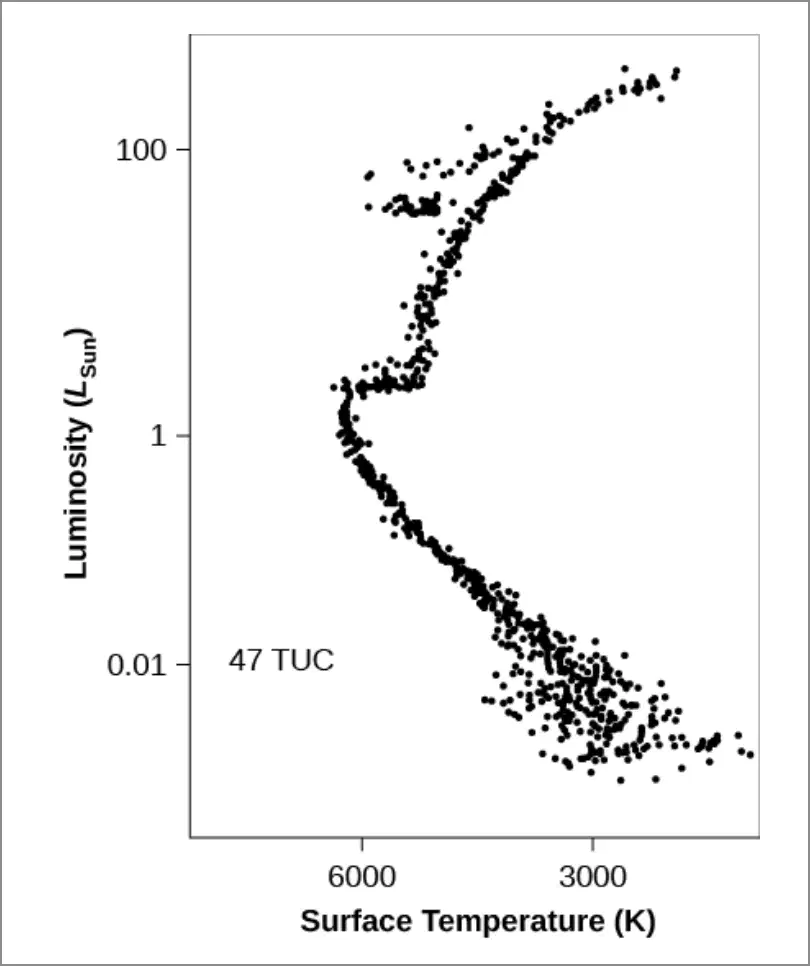
What can the turnoff point tell us about a star cluster?
How physics are different over there than they are here
It's luminosity
It's mass
It's age

Which cluster is older? One that has a turnoff point among B stars or G stars?
The B one
The G one
They are the same age

