
 Worksheets
Grade 7 IA Q4Week2 Test
Total questions: 30
Worksheet time: 15mins
What government policy or law states that purpose of this Code is to provide for all buildings and structures, a framework of minimum standards and requirements to regulate and control their location, site, design, quality of materials, construction, use, occupancy, and maintenance?
Fire Code of the Philippines
National Building Code
Philippine Electrical Code
Philippine Electronics Code
What is the primary purpose of the National Building Code of the Philippines?
To regulate the cost of construction materials
To provide a framework of minimum standards for building safety and quality
To limit the number of buildings in urban areas
To encourage the use of modern architectural styles
Which of the following aspects is NOT specifically covered under the National Building Code for residential construction?
Structural design and requirements
Fire protection and safety
Accessibility and barrier-free design
Land ownership laws
Which among the following is a group of minimum requirements for a Building Permit?
Sanitation, Roof, Electrical Requirements, Ventilation
Cleanliness, Building, Mechanical Inspection, Foundation
Floor, Entrance and Exit, Air, History
Light and Ventilation, Post, Type of Persons Occupying, Address
What is one of the fire safety requirements for residential buildings mentioned in the National Building Code?
Fire exits should only be installed in high-rise buildings
All buildings must have fire-resistant materials, emergency exits, and access for firefighting equipment
Fire alarms are only required for commercial buildings
Residential structures are exempt from fire safety requirements
The Philippine Electrical Code (PEC) covers electrical protection measures against:
effects of lightning.
accidental contact with power lines.
voltages/ electromagnetically /electrostatically induced into communication circuits by normal or fault currents in parallel runs of power lines.
all of the above
Which law mandates the use of the Philippine Electrical Code (PEC)?
P.D. 1185 - Fire Code of the Philippines
R.A. 7920 - New Electrical Engineering Law
P.D. 1096 - National Building Code
R.A. 9514 - Fire Code of the Philippines
Who is responsible for enforcing the provisions of the PEC at the local level?
Department of Energy (DOE)
Bureau of Fire Protection (BFP)
Office of the Building Official
Professional Regulation Commission (PRC)
When is an electrical permit NOT required?
For new residential electrical installations
For electrical portable equipment rated not more than 1,200 VA
For upgrading an old electrical system
For commercial electrical wiring installation
What is the role of the Bureau of Fire Protection (BFP) in relation to electrical systems?
To design electrical systems for public buildings
To approve electrical permits for residential buildings
To ensure compliance with fire safety regulations related to electrical systems
To conduct electrical engineering board examinations
What is the primary purpose of the Philippine Electronics Code?
To establish building designs for electronics laboratories
To set uniform standards for electronics and communications systems
To promote sales of electronic devices in the Philippines
To regulate internet service providers
Which of the following is NOT a primary consideration of electrical protection in communication systems?
Minimizing electrical hazards to personnel
Reducing damage to equipment and plants
Ensuring high-speed internet connectivity
Eliminating fire hazards from communication systems
What type of hazards does the Philippine Electronics Code aim to protect against?
Electrical hazards from lightning and power systems
Biological hazards in workplaces
Cybersecurity threats in communication systems
Environmental hazards from e-waste disposal
Which government agencies are responsible for implementing the Philippine Electronics Code?
DPWH, DILG, DICT and DTI
DepEd DILG, DICT and DTI
DPWH, DENR, DICT and DTI
DPWH, DILG, DICT and BFP
Which of the following is NOT a primary consideration of electrical protection in communication systems?
Minimizing electrical hazards to persons engaged in communication systems
Reducing damage to equipment and plant
Enhancing the speed of communication networks
Eliminating fire hazards resulting from communication systems
Which government agency imposes the requirement of learning the traffic rules, signs, and symbols to acquire a driver's license?
Bureau of Fire Protection
Department of Interior and Local Government
Department of Public Works and Highways
Land Transportation Office
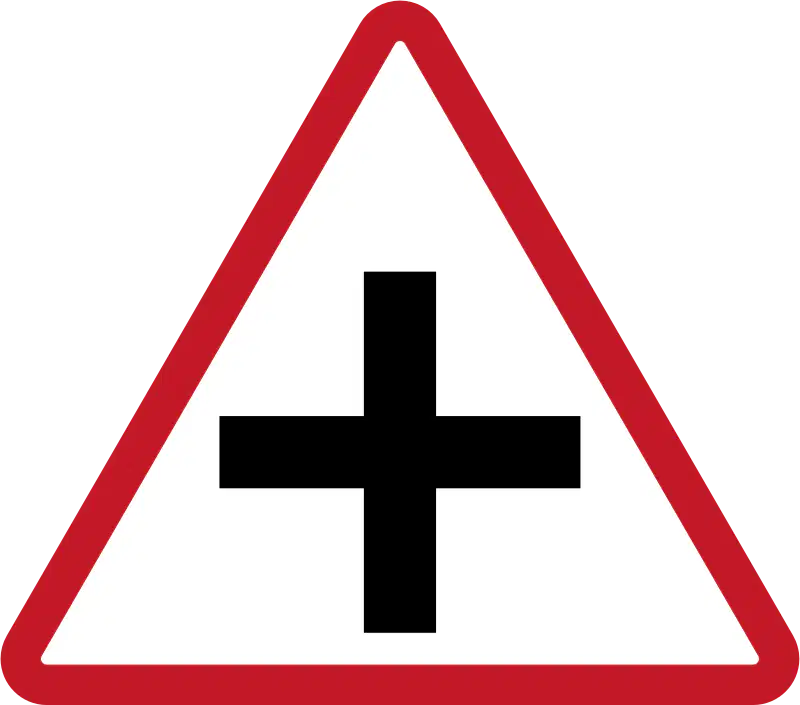
Identify this warning sign:
Asian Highway Marker
Intersection
No left turn
Service Sign
While driving through the city, Anika noticed a sign that indicated No Entry for All Vehicles. What is the signs that indicate this restriction?

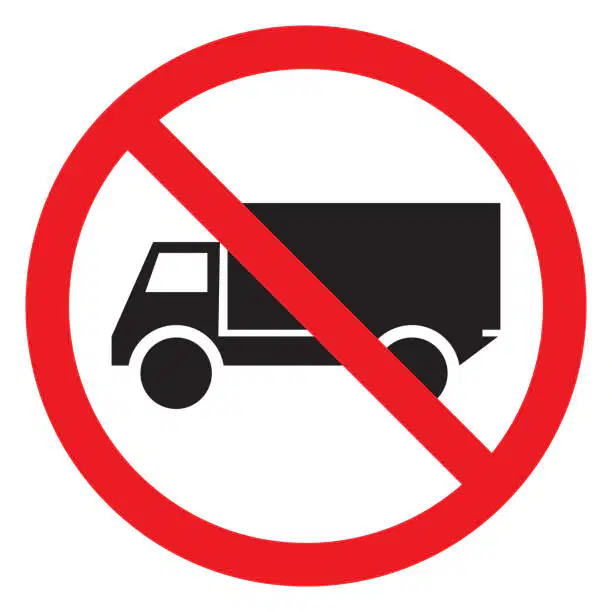
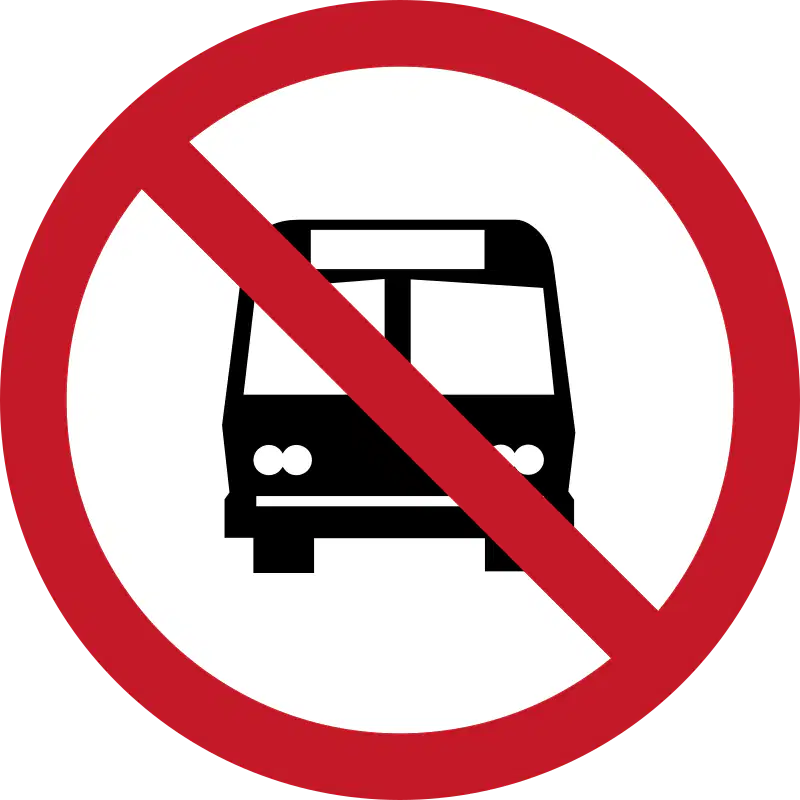
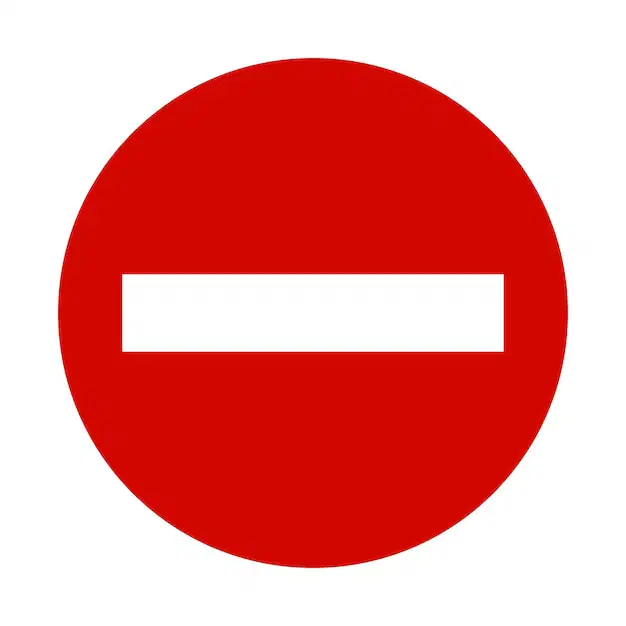
Which type of traffic sign provides warnings about road conditions, intersections, and obstacles?
Regulatory Signs
Warning Signs
Guide/Informative Signs
Traffic Instruction Signs
What type of sign is used to indicate directions to tourist destinations and service areas?
Prohibitive Signs
Expressway Signs
Guide/Informative Signs
Road Work Signs
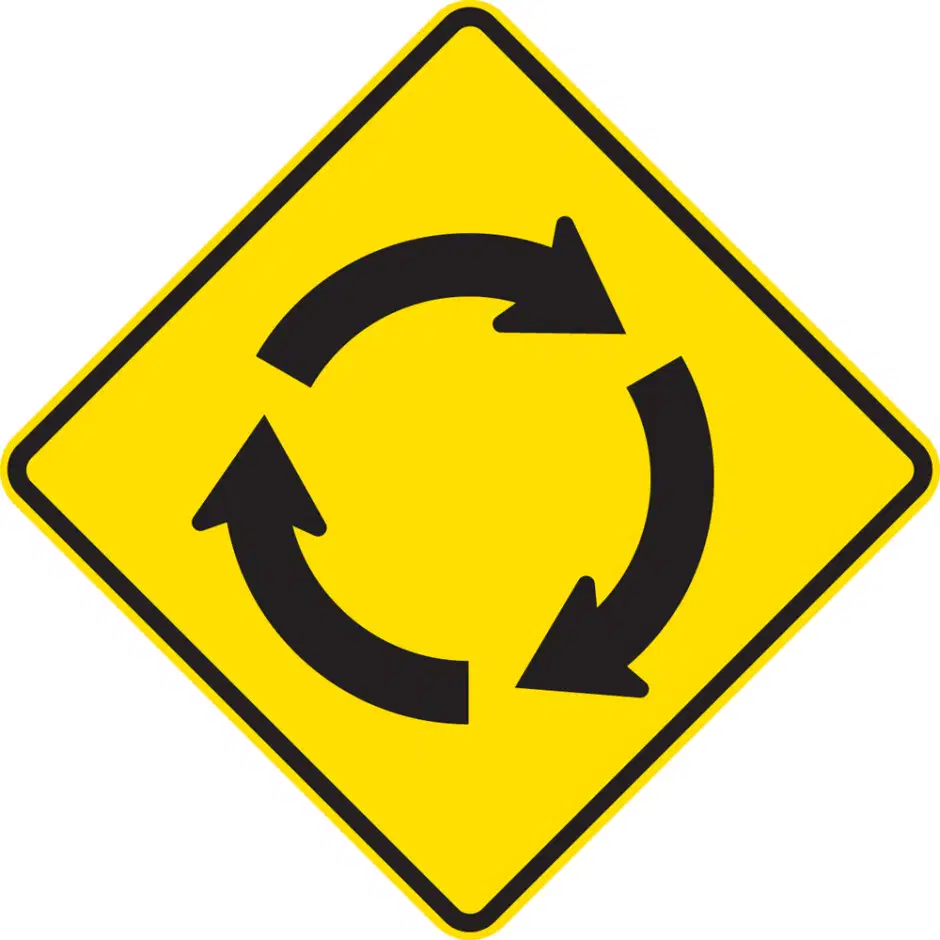
Identify this REGULATORY traffic sign:
Priority sign
Directional sign
Prohibitive/ Restrictive sign
Speed sign
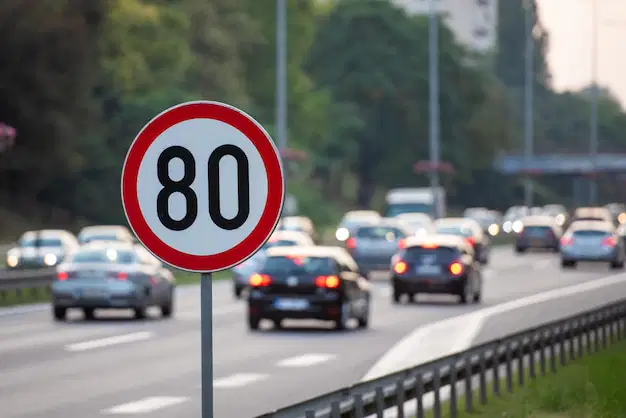
Identify this REGULATORY traffic sign
Priority sign
Prohibitive/ Restrictive sign
Directional sign
Speed sign

Identify this REGULATORY traffic sign
Prohibitive/ Restrictive sign (No U-Turn)
Directional sign (No Turning Left)
Priority sign (Curve Road Ahead)
Speed sign (No Over Speeding)
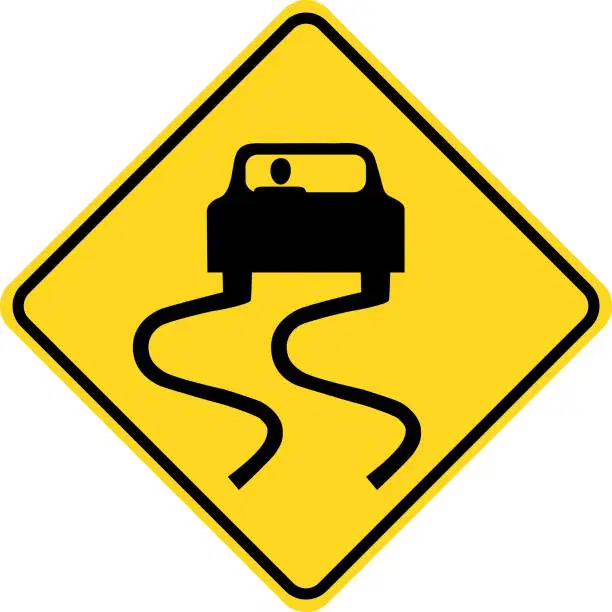
Identify the WARNING traffic sign
Soft Verges
Steep ascent
Slippery road
River bank
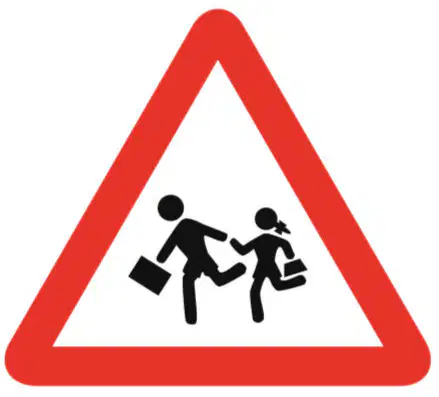
Identify the WARNING traffic sign
School crossing sign

Identify the INFORMATIVE traffic sign
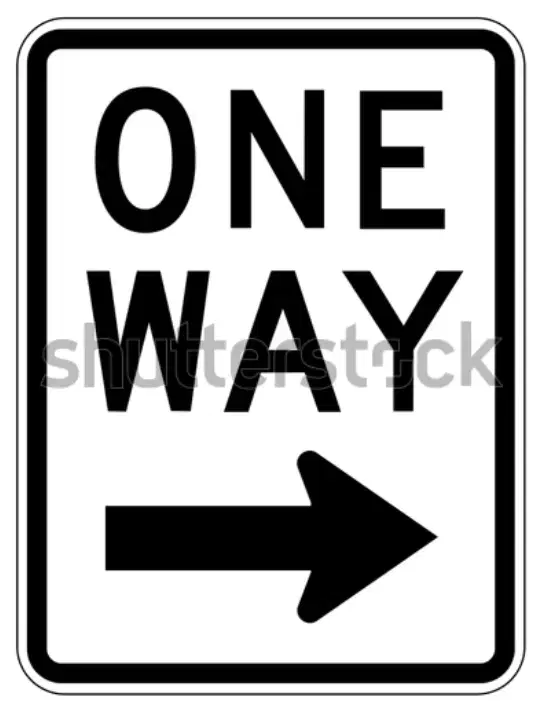
What is the purpose of ONE WAY traffic sign?

What is this traffic sign means?
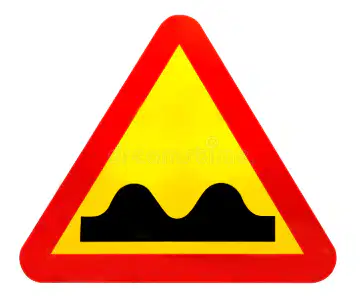
What traffic sign indicates with this image?

What are the colors of the traffic lights mean?

