
 Worksheets
RESPIRATORY System Test
Total questions: 30
Worksheet time: 15mins
Which of the following structures connects the nose to the throat?
nasopharynx
oropharynx
larynx
laryngopharynx
Boys have high pitched voices when they are young, but their voices deepen as they age. What causes this?
They are able to push more air through the larynx as they get older.
Their lungs grow as they get older.
Their mouths and sinus cavities grow, causing sound to vibrate more deeply.
Their vocal cords grow longer as they get older.
What is the purpose of the cartilaginous rings that surround the trachea?
To prevent food from entering the trachea accidentally.
To prevent the trachea from collapsing between breaths.
To collect foreign particles and prevent them from entering the lungs.
To produce sound as air passes through them.
Which of the following describes the path of carbon dioxide as it leaves your capillaries and exits through the respiratory system?
alveoli, bronchi, bronchioles, trachea, larynx, pharynx, mouth/nose
mouth/nose, pharynx, larynx, trachea, bronchi, bronchioles, alveoli
mouth/nose, pharynx, larynx, bronchioles, trachea, bronchi, alveoli
alveoli, bronchioles, bronchi, trachea, larynx, pharynx, mouth/nose
The amount of air that is regularly being exchanged through your lungs during this time is called the
residual volume
vital capacity
total lung capacity
tidal volume
Your doctor told you that you have an upper respiratory infection. Which of the following structures would not be affected by this infection?
bronchi
pharynx
larynx
nose
Your friend had her larynx removed. What will she be unable to do?
cough
swallow
breathe
speak
The ciliated cells within the respiratory mucosa propel foreign particles from the nasal cavity and from the trachea.
laterally, medially
medially, laterally
Which of the following is NOT a function of the paranasal sinuses?
produce mucus
resonate speech
keep airways open
lighten the skull
Tonsils and alveolar macrophages are found within the respiratory system, but function as part of the
digestive system
muscular system
lymphatic system
nervous system
In the trachea, the cartilaginous rings are U-shaped. They are open on one side to allow movement of.
the larynx.
the esophagus.
the diaphragm.
the lungs.
The largest cartilaginous portion of the larynx that is prominent in men and commonly called the “Adam’s apple” is
the thyroid cartilage
the trachea
the cricoid cartilage
the vocal cords
The function of the pleural fluid is
to keep the alveoli moist.
to collect and trap foreign particles.
to prevent the alveoli from collapsing.
to reduce friction on surrounding tissues.
Which of the following is NOT true of the respiratory zone?
It is found within the trachea.
It is the site of external ventilation.
It contains capillaries and alveoli.
Gases are exchanged there.
During the process of inspiration, volume in the lungs causing pressure in the lungs to .
increases, increases
decreases, decrease
increase, decrease
decrease, increase
Vital lung capacity encompasses several other lung capacities. Which is not part of vital lung capacity?
a. inspiratory reserve volume
b. expiratory reserve volume
c. tidal volume
d. residual volume
You’re determined to blow out all the birthday candles on your cake this year. Which lung volume would be most applicable for this action?
inspiratory reserve volume
expiratory reserve volume
tidal volume
residual volume
The 2 respiratory control groups that collect sensory information and control regular, quiet breathing are located in the:
pons
medulla
midbrain
cerebrum
You go for a morning run. Your respiratory rate will increase because
the pH in your cells is increasing
you are consciously controlling it
your cells are building up more carbon dioxide
you are breathing in more carbon dioxide.
Based on the prefixes and suffixes you've learned, provide a probable definition for the following word: hyperpnea.
Increased depth and rate of breathing
Decreased depth and rate of breathing
Normal breathing
Irregular breathing pattern
Based on the prefixes and suffixes you've learned, provide a probable definition for the following word: pleuritis.
Inflammation of the pleura
A type of lung infection
A condition affecting the heart
A skin disorder

List the three portions of the pharynx from most superior to most inferior.
Nasopharynx, Oropharynx, Laryngopharynx
Oropharynx, Nasopharynx, Laryngopharynx
Laryngopharynx, Nasopharynx, Oropharynx
Laryngopharynx, Oropharynx, Nasopharynx
Explain how the vocal cords can change the pitch of someone’s voice.
By changing the tension and length of the vocal cords
By altering the shape of the mouth
By increasing the volume of air in the lungs
By moving the tongue
Explain the difference between internal and external ventilation.
Internal ventilation refers to the exchange of air within the lungs, while external ventilation involves the exchange of gases between the lungs and the environment.
Internal ventilation involves the exchange of gases between the lungs and the environment, while external ventilation refers to the exchange of air within the lungs.
Internal ventilation and external ventilation are the same processes.
Internal ventilation is a process that occurs only in artificial environments.
The muscles involved in breathing are:
Diaphragm and intercostal muscles
Biceps and triceps
Quadriceps and hamstrings
Pectorals and deltoids
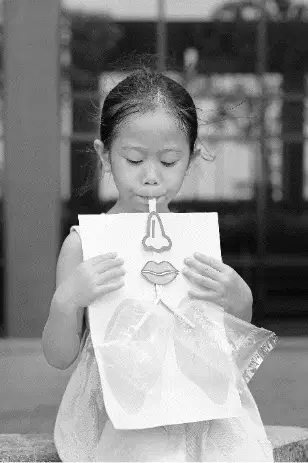
This model is inaccurate because:
It lacks sufficient data.
It is based on outdated information.
It does not account for all variables.
It is too complex to understand.
responsible for moving foreign particles toward the throat
cilia
conchae
epiglotis
sinus
surrounded by cartilage
trachea
alveoli
vocal cords
sinuses
found above the nasal cartilage
sinuses
alveoli
trachea
vocal cord
found in the respiratory zone
cilia
alveoli
trachea
vocal cord

