
 Worksheets
Unit 12: Exploring Hierarchical Organization in Plants + Animals
Total questions: 15
Worksheet time: 8mins
LT #1: Which of the following correctly describes the hierarchical organization in plants and animals from the simplest to the most complex?
Organs, tissues, cells, organ systems
Cells, tissues, organs, organ systems
Tissues, cells, organs, organ systems
Organ systems, organs, tissues, cells
LT #1: In plants, which of the following structures is considered an organ?
Root
Chloroplast
Xylem tissue
Guard cell
LT #1: Which of the following is an example of a tissue in animals?
Heart
Muscle
Digestive system
Neuron
LT #1: Which part of a plant is considered an organ?
Leaf
Chloroplast
Xylem
Root hair
LT #1: What is the primary function of tissues in both plants and animals?
To perform a specific function
To store genetic information
To transport nutrients
To protect the organism
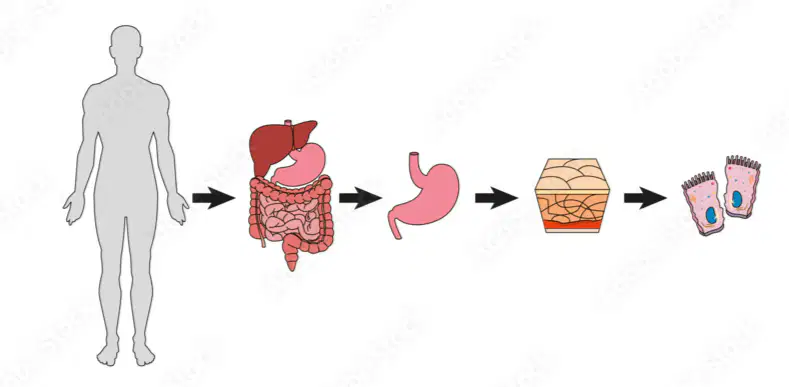
LT#2: When creating a model of a human body system, which levels of organization should be included before organs?
organs and organ systems
cells and organs
cells and tissues
only tissues
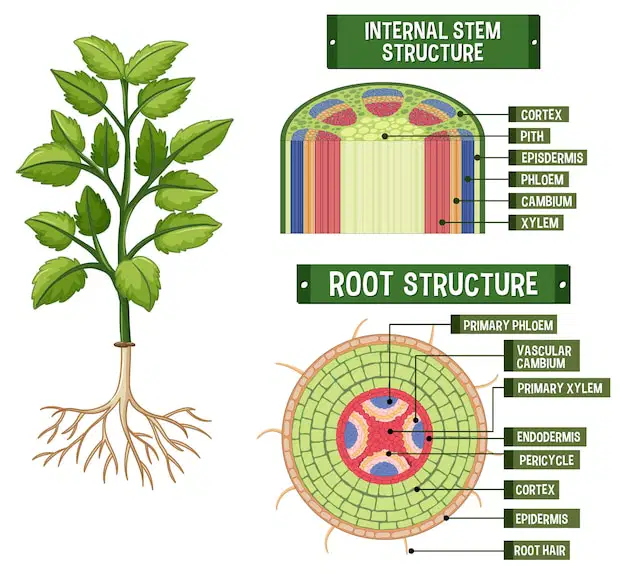
LT #2: A student is designing a model of a plant structure. Which of the following would be an example of an organ system in plants?
The waxy cuticle covering a leaf
The mitochondria inside a leaf cell
Xylem and phloem transporting water and nutrients throughout the plant
The root hairs absorbing water

LT #2: Which level of organization consists of many tissues working together to perform a specific function?
Cell
Tissue
Organ
Organ System
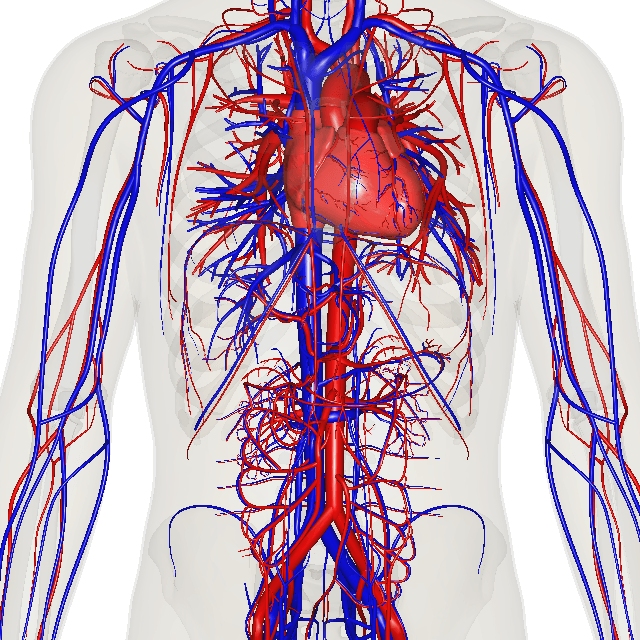
LT #2: These organs circulate the organism's blood throughout it's body, transporting cellular waste, materials, and nutrients. What is this an example of?
an organ
an organ system
a tissue
a cell

LT #2: This is an example of....
animal cells
plant cells
an animal organ
a plant organ
LT #3: If a tissue is damaged, what might happen to the organ it is part of?
The entire organ system will immediately fail
The organ may not function properly
The other tissues in the organ will stop working completely
The organ will break down into separate cells again
LT #3: Why do cells need to work together in multicellular organisms?
Because organ systems cannot function without cells moving independently
Because cells in a tissue are completely identical
Because cells do not communicate with each other
Because a single cell cannot perform all the functions the organism needs to survive
LT #3: Why do organs have different types of tissues instead of just one?
A single type of tissue can perform every function an organ needs.
Tissues are randomly combined inside organs.
Different tissues work together to help the organ perform its job efficiently.
Organ systems only need one kind of tissue to work properly.
LT #3: Why is it important for cells to specialize and form different types of tissues?
So that all cells in the body remain exactly the same
So that the organism can have higher level structures that perform specific functions
So that a single cell can survive without the help of others
So that the body can replace entire organs instantly when needed
LT #3: In plants, how might the roots and leaves work together as part of an organ system?
Roots absorb water while leaves perform photosynthesis to produce energy.
Roots absorb sunlight while leaves take in nutrients.
Leaves store food while roots perform respiration.
Roots and leaves work independently without interaction.

