
 Worksheets
Agenda
Total questions: 52
Worksheet time: 26mins
The regulatory framework in the UK for electrical installations is governed by which of the following?
The Building Regulations
The Electrical Safety Standards
The National Electrical Code
The British Standards Institution
What are common electrical hazards?
Electric shock, burns, and fires
Water leakage and mold
Pest infestation and noise
Poor lighting and ventilation
What are risk assessment procedures in electrical installations?
Identifying hazards, evaluating risks, and implementing control measures
Installing circuit breakers and fuses
Regular maintenance and inspection
Using high-quality electrical components
What are safe installation practices?
Using proper tools and equipment
Ignoring safety guidelines
Rushing the installation process
Skipping safety checks
Emergency procedures and response in electrical safety include:
Regular safety drills and training
Ignoring minor electrical faults
Using water to extinguish electrical fires
Wearing rubber-soled shoes only
What are the training and competency requirements for electrical safety?
Understanding of electrical hazards and safety protocols
Certification in electrical engineering
Basic knowledge of first aid
No specific training required
What are some case studies of electrical incidents?
Case Study 1: Electrical Fire in a Factory
Case Study 2: Power Outage in a Hospital
Case Study 3: Short Circuit in a Residential Building
All of the above
What are technological advances in electrical safety?
Smart circuit breakers
Wireless power transfer
Advanced insulation materials
All of the above
What are future trends in electrical safety?
Increased use of smart technology
Decreased regulation
Less emphasis on renewable energy
Reduced need for safety training
What are the conclusion and key takeaways from electrical safety?
Understanding the importance of using protective equipment
Recognizing the need for regular maintenance
Identifying potential hazards and taking preventive measures
All of the above
Electrical installations encompass various components and systems. What do they include?
Wiring systems, electrical equipment, and control systems
Plumbing and sewage systems
Heating and cooling systems
None of the above
Why is health and safety important in electrical installations?
To prevent accidents and injuries
To increase the cost of installation
To make the installation process faster
To comply with legal requirements only
What dangers are associated with electrical installations?
Fire hazards
Water leakage
Pest infestation
Structural damage
The Health and Safety at Work Act 1974 requires employers to:
Ensure the health, safety, and welfare of employees at work
Provide free healthcare to all employees
Offer flexible working hours
Guarantee job security for all employees
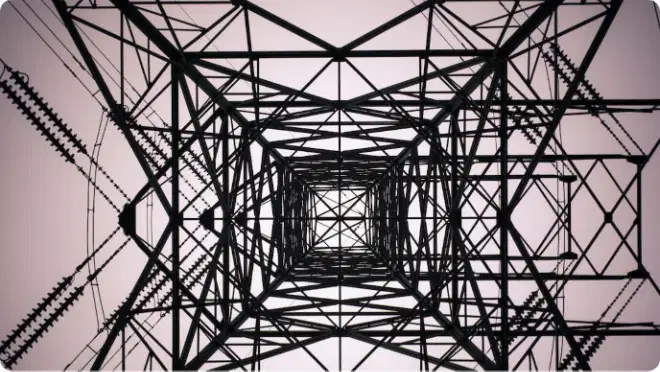
The Electricity at Work Regulations 1989 require that electrical systems must be:
maintained to prevent danger
used only by qualified personnel
inspected annually
operated at low voltage
What is the role of the Health and Safety Executive (HSE) in the UK?
To enforce workplace health, safety, and welfare regulations
To manage the National Health Service (NHS)
To oversee environmental protection policies
To regulate food safety standards
Electric shock can result in:
burns and tissue damage
improved health
increased energy levels
better sleep
How can electrical fires originate and why is understanding fire risks crucial?
Electrical fires can originate from faulty wiring, overloaded circuits, or damaged appliances. Understanding fire risks is crucial to prevent accidents and ensure safety.
Electrical fires are caused by water exposure to electrical components.
Understanding fire risks is only important for firefighters.
Electrical fires can only originate from lightning strikes.
Exceeding a circuit's capacity can lead to:
Increased efficiency
Circuit overload and potential hazards
Reduced electricity bills
Improved circuit performance
What constitutes a major hazard in faulty wiring and why are regular inspections essential?
Faulty wiring can lead to electrical fires, making regular inspections essential to prevent such hazards.
Faulty wiring is not a major hazard, so regular inspections are not necessary.
Faulty wiring only causes minor inconveniences, so inspections are rarely needed.
Faulty wiring is only a concern in industrial settings, not in residential areas.
What is the first step in any risk assessment strategy according to the Risk Assessment Procedures framework?
Identifying hazards
Evaluating risks
Implementing controls
Monitoring and reviewing
Assessing the level of risk associated with each hazard is crucial in the Risk Assessment Procedures framework because:
it helps prioritize hazards based on their potential impact.
it eliminates all risks completely.
it ensures compliance with all safety regulations.
it reduces the need for further monitoring.
What might control measures include in the Risk Assessment Procedures framework?
Identifying hazards
Implementing safety protocols
Monitoring and reviewing
All of the above
How does documenting the risk assessment process help according to the Risk Assessment Procedures framework?
It provides a clear record of identified risks and mitigation strategies.
It complicates the risk management process.
It is not necessary for effective risk management.
It only benefits external stakeholders.
What is the importance of utilizing qualified electricians in electrical installations?
Ensures safety and compliance with regulations
Reduces the cost of installation
Increases the speed of installation
Allows for the use of cheaper materials
The use of appropriate materials is crucial in electrical installations because:
it ensures safety and efficiency.
it reduces the cost of installation.
it speeds up the installation process.
it allows for the use of any type of material.
Adherence to standards benefits electrical installations by:
Ensuring safety and reliability
Increasing costs significantly
Reducing the need for maintenance
Limiting the use of modern technology
What is the role of regular inspections in maintaining electrical safety?
To ensure compliance with safety standards
To increase energy efficiency
To reduce electricity bills
To enhance aesthetic appeal
What are the types of PPE for electrical work?
Gloves, helmets, and goggles
Sunglasses and sandals
Aprons and chef hats
None of the above
PPE is important in high-risk environments because:
it provides comfort to workers.
it enhances the aesthetic of the workplace.
it protects workers from potential hazards.
it is a legal requirement.
What is critical to ensure the effectiveness of PPE?
Proper fit and comfort
Regular maintenance
Correct usage
All of the above
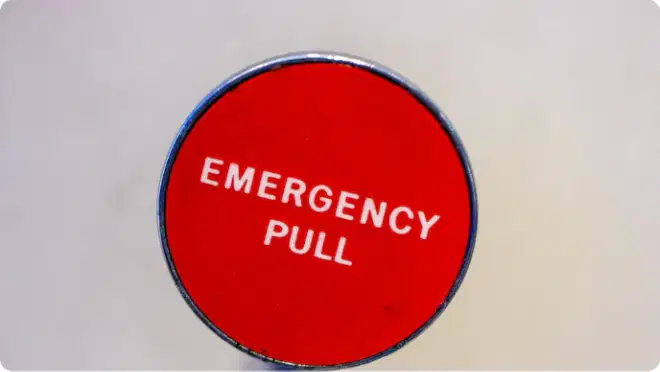
The importance of establishing clearly defined procedures for quickly shutting off power in the event of an emergency is:
To ensure safety and prevent accidents
To save energy costs
To comply with government regulations
To improve operational efficiency
Providing immediate and appropriate first aid treatment is essential in the event of an electric shock or burn because:
it helps prevent further injury and complications.
it is a legal requirement.
it can replace professional medical treatment.
it is a standard procedure in all emergencies.
Why must all incidents be documented and reported promptly?
To ensure accurate records and accountability
To delay response and resolution
To avoid responsibility
To create unnecessary paperwork
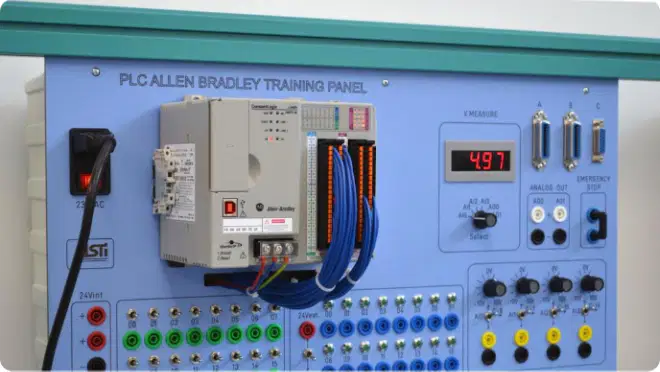
The importance of training in ensuring electrical workers' safety is:
To improve technical skills
To ensure compliance with regulations
To prevent accidents and injuries
To increase productivity
Certification programs contribute to electrical safety by:
ensuring compliance with safety standards
increasing the cost of electrical equipment
limiting the availability of electrical products
promoting the use of uncertified products
Continuous professional development is important for electricians because:
it helps them stay updated with the latest technologies and safety standards.
it allows them to take longer breaks.
it reduces their working hours significantly.
it is a requirement for all professions.
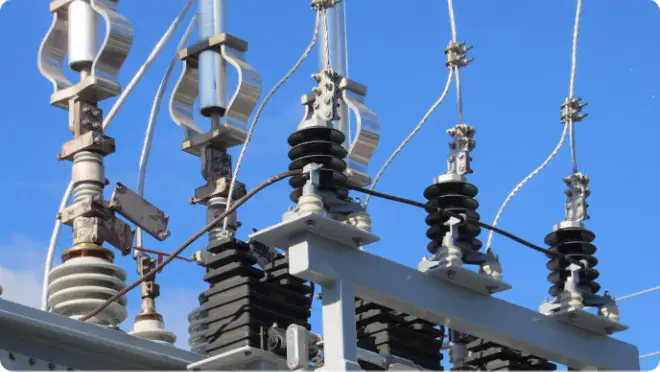
The importance of analyzing notable electrical incidents is:
To understand the causes and prevent future incidents
To increase the cost of electrical safety measures
To ignore the lessons learned from past incidents
To complicate the process of electrical safety
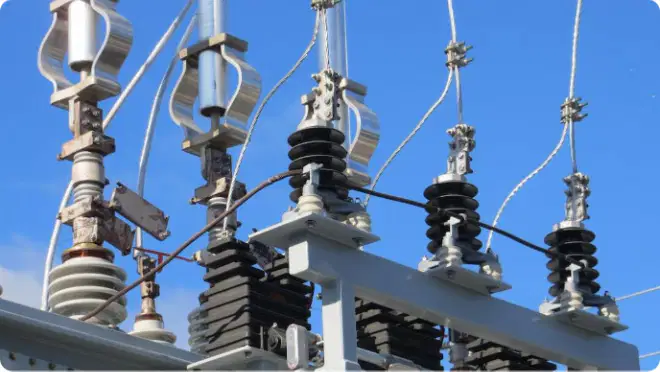
What lessons can be learned from past electrical incidents?
Safety protocols should be updated regularly.
Electrical incidents are unavoidable.
Past incidents have no impact on current practices.
Only experts should handle electrical equipment.
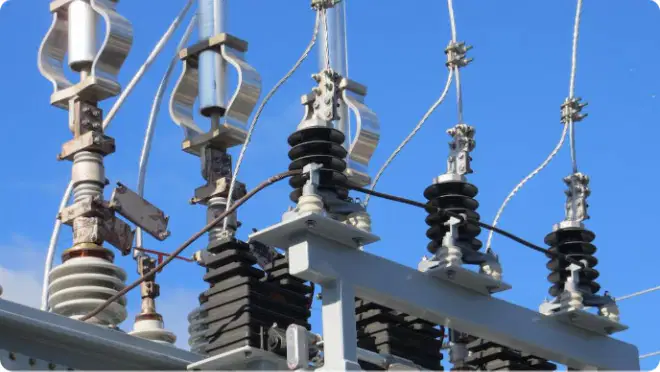
Preventative measures are critical in managing risks in electrical installations because:
they ensure safety and compliance with regulations.
they increase the cost of installation.
they are optional and not necessary.
they delay the project timeline.

The benefit of integrating smart technology in electrical systems is:
increased energy efficiency
higher operational costs
reduced system reliability
decreased automation

Remote monitoring in electrical installations enables:
real-time data collection and analysis
manual inspection of equipment
increased physical presence on-site
reduced data accuracy
What is one of the innovations in safety equipment mentioned in the text?
Advanced helmet design
Improved seat belts
Fire-resistant materials
Automatic braking systems
The anticipated changes in regulations regarding electrical safety include:
Stricter enforcement of existing rules
Introduction of new safety standards
Reduction in compliance requirements
No significant changes expected
How are emerging technologies like IoT and AI expected to impact electrical installations?
They will make installations more efficient and automated.
They will have no impact on electrical installations.
They will make installations more complex and costly.
They will reduce the need for electrical installations.
Increasing public awareness of electrical safety is important because:
it reduces the risk of accidents and injuries.
it increases electricity consumption.
it makes electrical appliances more expensive.
it complicates electrical regulations.
What are the essential components of electrical safety mentioned in the summary of key points?
Grounding and bonding
Insulation and circuit protection
Personal protective equipment
All of the above
Adhering to safety regulations and standards is considered an ethical obligation because:
it ensures compliance with legal requirements.
it promotes a culture of safety and responsibility.
it is a personal choice of the individual.
it is only necessary in high-risk industries.
How can stakeholders prioritize safety to create a robust electrical safety culture?
By conducting regular safety audits and training
By ignoring minor safety violations
By focusing solely on cost reduction
By delegating safety responsibilities to junior staff
What is the main safety concern depicted in the image?
Fire hazard
Electrical hazard
Chemical spill
Trip hazard
It is important to avoid touching electrical outlets with bare hands because:
it can cause an electric shock.
it is a good habit.
it is fun.
it is a way to test electricity.
What safety measures can be taken to prevent electrical shocks?
Use insulated tools and equipment
Wear rubber-soled shoes
Avoid water when working with electricity
All of the above

