
 Worksheets
Oil Disaster: Gulf of Mexico
Total questions: 48
Worksheet time: 24mins
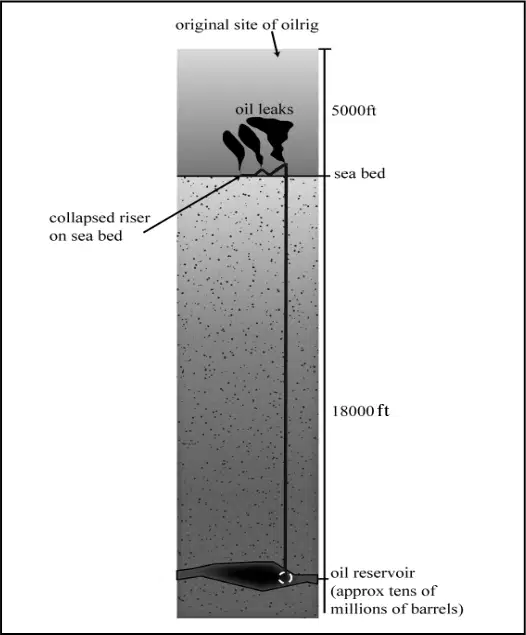
What year did the huge explosion on the Deepwater Horizon oilrig occur?
2010
2008
2012
2015
How many barrels of oil had polluted the Gulf by July 15?
4.9 million barrels
3.2 million barrels
2.5 million barrels
1.8 million barrels
Which US states' coastlines were threatened by the oil spill?
California, Texas, and Florida
Louisiana, Mississippi, Alabama, and Florida
New York, New Jersey, and Connecticut
Oregon, Washington, and Alaska
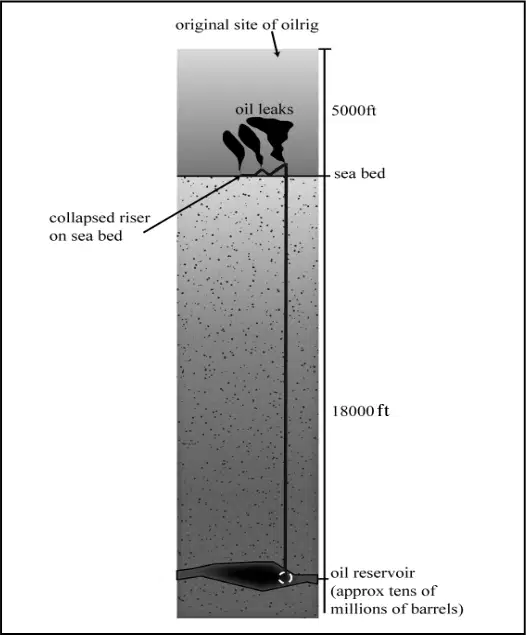
What was the depth of water the Deepwater Horizon oilrig was drilling through?
5,000 feet
10,000 feet
7,500 feet
3,000 feet
President Obama described the oil disaster as:
a tragedy
a catastrophe
an unprecedented disaster
a minor issue
What was one of the challenges in stopping the oil leak?
Locating the source of the leak
High pressure at the leak site
Lack of technology
Environmental regulations
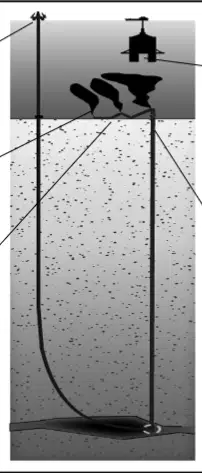
The immediate priority to stop the oil gushing out in the Gulf of Mexico was:
Capping the well
Dispersing the oil
Cleaning the shoreline
Evacuating the area
Which strategy involves dropping 'Top Hats' on top of leaks in the pipes?
Patch and Repair
Seal and Secure
Cover and Conceal
Plug and Play
The purpose of using dispersants like Corexit in oil spill management is to:
Break down the oil into smaller droplets
Increase the spread of oil
Make the oil more visible
Solidify the oil
What are the environmental effects of oil as it enters the ocean?
Oil spills can lead to the death of marine life and damage to ecosystems.
Oil in the ocean has no significant environmental impact.
Oil spills help in the growth of marine plants.
Oil in the ocean improves water quality.
The role of skimmers in oil spill management is to:
disperse the oil into smaller droplets
burn the oil on the water surface
physically remove the oil from the water surface
contain the oil in a specific area
The general effects of oil pollution on marine life include:
Increased biodiversity
Improved water quality
Harm to marine organisms
Enhanced growth of coral reefs
Which method is used to prevent oil from reaching the shoreline during a spill?
Introducing invasive species
Increasing water temperature
Applying fertilizers to the water
Using booms to contain the oil
What is the primary purpose of using in-situ burning in oil spill response?
To enhance the growth of marine life
To solidify the oil for easier removal
To remove oil by burning it off the water surface
To increase the oil's viscosity
Which factor can significantly affect the effectiveness of oil spill dispersants?
All of the above
Salinity levels
Wind speed
Water temperature
What is the primary function of booms in oil spill response?
To increase the oil's viscosity
To burn the oil on the water surface
To contain and prevent the spread of oil
To disperse oil into smaller droplets
What is a significant challenge in cleaning up oil spills in deep water?
Difficulty in accessing the spill site
Abundance of natural light
Low water pressure
High visibility of the oil
What is the primary goal of using sorbents in oil spill response?
To absorb and collect oil from the water surface
To burn the oil on the water surface
To increase the oil's viscosity
To disperse oil into smaller droplets
Which factor can hinder the effectiveness of skimmers in oil spill cleanup?
High salinity levels
Low water temperature
High waves and strong winds
Calm sea conditions
What is a common method to assess the impact of an oil spill on marine life?
Measuring the oil's viscosity
Counting the number of affected marine species
Analyzing water salinity levels
Observing changes in water color
What was the primary cause of the Deepwater Horizon oil spill?
Natural disaster
Human error
Equipment failure
Sabotage
Which method is used to break down oil into smaller droplets in the water?
In-situ burning
Skimming
Sorbents
Dispersants
What is the main environmental concern associated with the use of dispersants in oil spill response?
They increase oil viscosity
They can harm marine life
They solidify the oil
They are ineffective in cold water
What is the primary challenge of using booms in rough sea conditions?
They can break apart easily
They are too heavy to deploy
They are ineffective in containing oil
They increase oil viscosity
Which method is primarily used to protect sensitive shorelines from oil spills?
Setting up booms
Deploying skimmers
Using dispersants
Conducting in-situ burning
What is a significant environmental risk of in-situ burning?
Cooling of water temperature
Solidification of oil
Increase in water salinity
Release of toxic smoke
What is a common consequence of oil spills on coastal ecosystems?
Increased fish population
Destruction of habitats
Improved water clarity
Enhanced coral growth
Which technology is often used to detect oil spills from the air?
Sonar imaging
Satellite imagery
Underwater drones
Infrared sensors
What is a major limitation of using sorbents in oil spill cleanup?
They are ineffective in absorbing oil
They can only be used once
They increase oil toxicity
They are too expensive to produce
What is the main purpose of using in-situ burning in oil spill response?
To increase the oil's viscosity
To burn off the oil on the water surface
To absorb oil from the water surface
To physically remove oil from the water
Which factor can complicate the deployment of booms during an oil spill?
Low salinity levels
High water temperature
High wind speeds and rough seas
Calm sea conditions
What is a significant drawback of using dispersants in oil spill management?
They are ineffective in breaking down oil
They solidify the oil
They are too expensive to produce
They can increase oil toxicity to marine life
What is a significant environmental impact of oil spills on bird populations?
Improved nesting conditions
Increased food availability
Enhanced migration patterns
Damage to feathers and loss of buoyancy
What is a common method to reduce the impact of oil spills on marine mammals?
Relocating them to unaffected areas
Using loud noises to scare them away
Feeding them special diets
Applying dispersants directly on them
What is a significant risk of oil spills to coastal bird populations?
Increased predation
Contamination of food sources
Improved feather condition
Loss of nesting sites
What was a major environmental impact of the Deepwater Horizon oil spill?
Destruction of coral reefs
Increase in fish population
Growth of new marine species
Improved water quality
Which organization was primarily responsible for the cleanup efforts of the Deepwater Horizon oil spill?
World Wildlife Fund
BP
Greenpeace
NASA
What was one of the long-term effects of the oil spill on the Gulf of Mexico's ecosystem?
Permanent increase in water temperature
Long-lasting damage to marine habitats
Increase in tourism
Immediate recovery of all species
What is a common method to physically remove oil from the water surface during a spill?
Applying fertilizers
Utilizing skimmers
Deploying booms
Using dispersants
Which factor can increase the difficulty of oil spill cleanup in arctic regions?
Abundant sunlight
Low salinity levels
High water temperature
Presence of ice
What is a significant environmental concern when using chemical dispersants in oil spill response?
They are too costly
They may increase oil toxicity
They improve water quality
They can solidify the oil
Which marine species is most vulnerable to oil spills due to their reliance on clean feathers for insulation?
Seagulls
Penguins
Seals
Sea turtles
What is a significant factor that influences the spread of oil in the ocean?
Water temperature
Wind speed and direction
Salinity levels
Marine biodiversity
What was the primary cause of the Exxon Valdez oil spill?
Sabotage
Human error
Natural disaster
Equipment failure
In which year did the Exxon Valdez oil spill occur?
1992
2000
1989
1995
What was a major environmental impact of the Exxon Valdez oil spill?
Improved water clarity
Destruction of marine habitats
Enhanced coral growth
Increase in fish population
What is the primary purpose of bund walls in oil storage facilities?
To enhance the aesthetic appeal of the facility
To contain oil spills and prevent environmental contamination
To increase the storage capacity of the facility
To facilitate faster loading and unloading of oil
What is a significant advantage of using bioremediation in oil spill cleanup?
It completely eliminates all oil traces instantly
It is cost-effective and environmentally friendly
It is a fast process
It requires no monitoring

