
 Worksheets
Brainstorming on Manufacturing Processes
Total questions: 98
Worksheet time: 59mins
What comes to mind when you think of the manufacturing process: Machining?
Cutting and shaping materials
Assembling components
Packaging products
Quality control
Welding is a part of which process?
Manufacturing
Cooking
Painting
Gardening
What comes to mind when you think of the manufacturing process: Casting?
Molding materials into a desired shape
Assembling parts
Painting surfaces
Packaging products
The manufacturing process of Forming involves:
Shaping materials using force
Cutting materials into pieces
Joining materials together
Applying a finish to materials
What comes to mind when you think of the manufacturing process: Fabrication?
Assembly
Fabrication
Packaging
Quality Control
3D Printing is a part of which process?
Manufacturing
Cooking
Painting
Gardening
Injection Molding is a process used in which industry?
Automotive
Textile
Food Processing
Pharmaceutical
The manufacturing process of assembling involves:
Designing
Assembling
Packaging
Testing
Forging is a process in manufacturing that involves:
Casting metal into molds
Shaping metal using compressive forces
Cutting metal into pieces
Joining metal parts together
Shearing in the manufacturing process is primarily associated with:
Cutting materials into desired shapes
Joining two materials together
Heating materials to high temperatures
Applying a protective coating
What is a Subtractive Process? (material is removed)
A subtractive process is a manufacturing method where material is removed from a solid block to create a desired shape or design.
A subtractive process is a method where material is added to a base to form a shape.
A subtractive process involves joining multiple materials together to form a structure.
A subtractive process is a technique where material is compressed to form a design.
What is a Forming Process? (material is reshaped without removal)
A forming process is a manufacturing technique where material is reshaped without the removal of any material.
A forming process involves cutting material to shape it.
A forming process is a method where material is melted and recast.
A forming process is a technique where material is joined together.
What is a Joining Process? (pieces are combined)
Joining Process
Cutting Process
Molding Process
Casting Process
Define the term 'Machining' related to manufacturing processes in your own words.
Machining is a process of joining materials.
Machining is a process of shaping materials by removing excess material.
Machining is a process of adding material to form a shape.
Machining is a process of painting materials.
Define the term 'Fabrication' related to manufacturing processes in your own words.
Fabrication is the process of assembling parts to create a product.
Fabrication is the process of cutting, bending, and assembling materials to create a product.
Fabrication is the process of designing a product using computer software.
Fabrication is the process of testing the quality of a finished product.
Define the term 'Casting' related to manufacturing processes in your own words.
A process of shaping material by melting and pouring into a mold
A method of joining two materials using heat
A technique for cutting materials into desired shapes
A process of coating a material with a thin layer of another material
Welding is a process related to manufacturing. What does it involve?
Joining materials, usually metals or thermoplastics, by causing coalescence.
Cutting materials into desired shapes using a laser.
Applying a protective coating to prevent corrosion.
Assembling components using adhesive bonding.
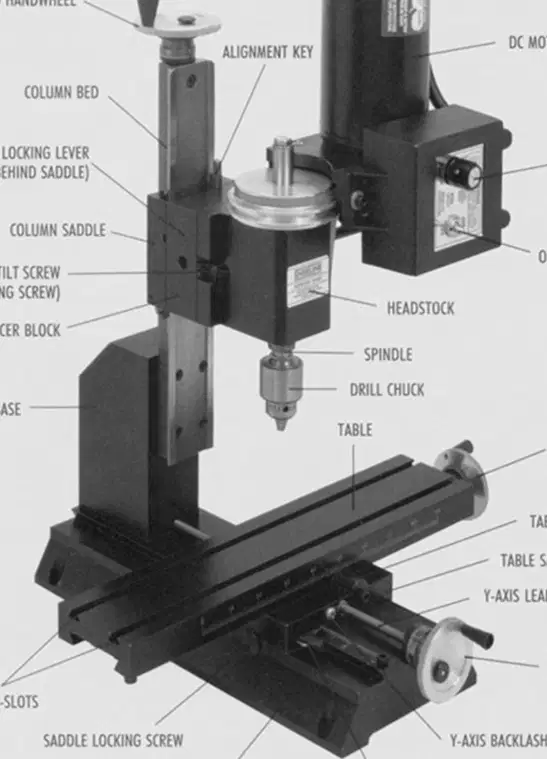
What is the primary function of a milling machine?
Fill in the blank: Milling is a machining operation that uses a rotating cutter to remove material from a ________.
workpiece
tool
machine
cutter
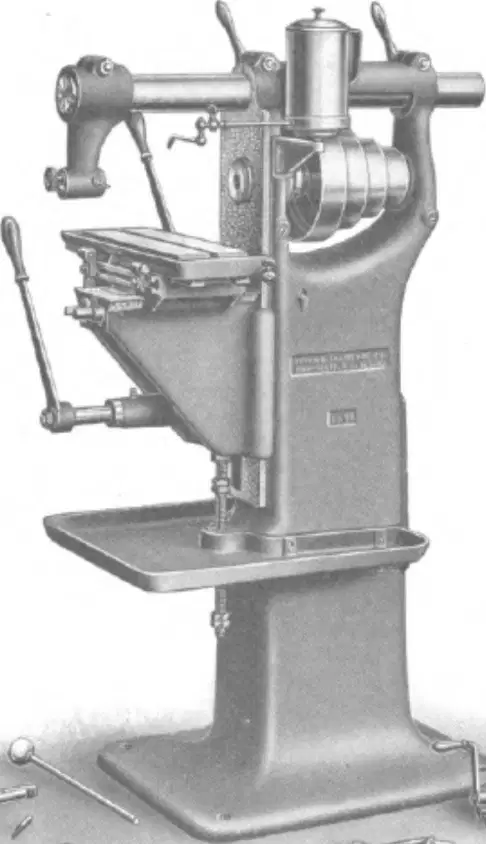
What are the features of a milling machine?
Flat surfaces, holes, grooves, slots, steps
Curved surfaces, holes, grooves, slots, steps
Flat surfaces, holes, grooves, slots, curves
Flat surfaces, holes, curves, slots, steps
What types of tooling are used in a milling machine?
A) End mill, slot drill, face mill
B) End mill, slot drill, face drill
C) End drill, slot mill, face mill
D) End mill, slot drill, face cutter
Milling tools have standard shank diameters and are held in an appropriate ______ which grips over a large surface area to prevent any tool movement or slippage while in use.
collet
vise
clamp
holder
What are the work holding devices used in a milling machine?
Machine vice, clamps
Machine vice, screws
Machine vice, bolts
Machine vice, nuts
What is the formula to calculate the spindle speed (N) in revolutions per minute (rpm) before milling?
N = (1000 × V) / (π × D)
N = (V × D) / 1000
N = (π × D) / V
N = (1000 × π) / (V × D)
Fill in the blank: The spindle speed (N) is generally found using the formula N = 1000s / (πD), where D is the diameter of the milling cutter and S is the recommended cutting speed.
Fabrication involves:
designing and creating something from raw materials
analyzing data
teaching a class
writing a book
Which of the following is a common fabrication process?
Machining
Shearing
Casting
Forging
The purpose of fabrication in manufacturing is to:
assemble parts into a final product
create raw materials
design manufacturing processes
transport goods
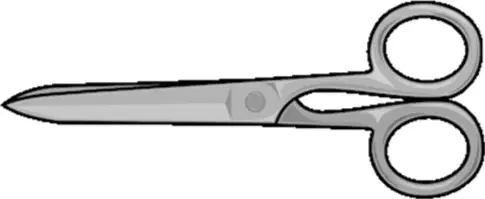
What tool can be used to cut thin sheet metal?
Hammer
Hand shears
Screwdriver
Wrench

A guillotine or press shear can be used to make longer, straighter, and more accurate cuts in a wider range of material thicknesses than you can with ________.
hand shears.
scissors.
a hacksaw.
a jigsaw.
Explain the process of forming tight and uniform folds in sheet material using a press-mounted V-block and blade or a box press.
Using a press-mounted V-block and blade or a box press, the sheet material is folded by applying pressure to create tight and uniform folds.
The sheet material is folded manually without any tools to ensure tight and uniform folds.
A hammer is used to manually create folds in the sheet material.
The sheet material is folded using heat to ensure tight and uniform folds.

Which of the following is a primary forming process?
Drawing
Casting
Extrusion
Pressing

Which of the following is a secondary forming process?
Hot Rolling
Forging
Extrusion
Casting
What are primary forming processes?
Casting
Forging
Machining
Welding
Which of the following is an example of a primary forming process?
Drawing
Extrusion
Casting
Pressing
What are secondary forming processes?
Processes that involve shaping materials after primary forming
Processes that involve initial shaping of materials
Processes that involve chemical reactions
Processes that involve electrical conductivity
Which of the following is an example of a secondary forming process?
Forging
Rolling
Casting
Extrusion
Name one example of a primary forming process.
One example of a primary forming process is casting.
One example of a primary forming process is welding.
One example of a primary forming process is machining.
One example of a primary forming process is forging.
Name one example of a secondary forming process.
One example of a secondary forming process is extrusion.
One example of a secondary forming process is casting.
One example of a secondary forming process is forging.
One example of a secondary forming process is welding.
Fill in the blank: ________ is a primary forming process where liquid material is poured into a mold.
casting
forging
extrusion
rolling
Fill in the blank: ________ is a primary forming process that involves rolling metal at a high temperature.
forging
casting
extrusion
drawing
Fill in the blank: ________ is a primary forming process that involves rolling metal at or near room temperature.
Rolling
Casting
Forging
Extrusion
Fill in the blank: ________ is a primary forming process that involves shaping metal using compressive forces.
forging
casting
extrusion
molding
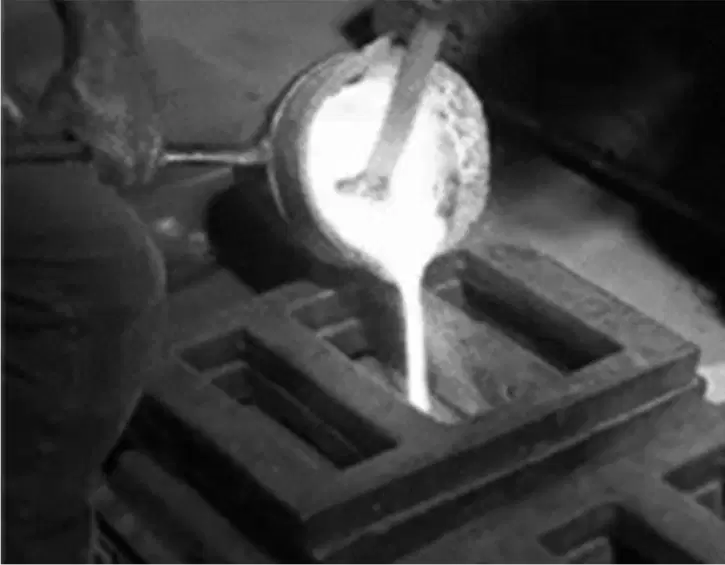
What is the process called where metal is melted and poured into a mold?
Forging
Casting
Welding
Soldering
Casting is used for (a) shapes.
Which of the following is an example of a product made using casting?
Engine blocks
Pipes
Wires
Sheets
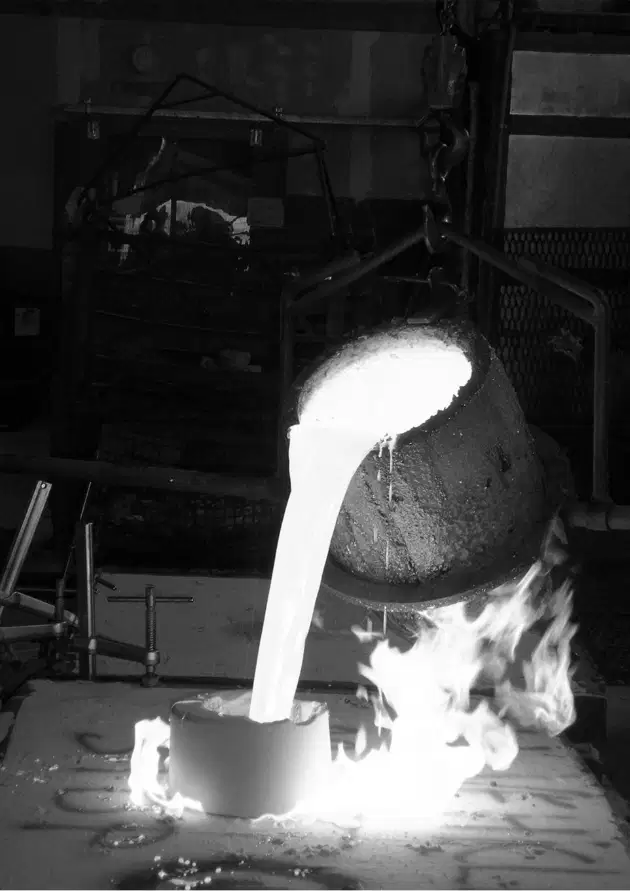
The basic principle of casting processes is:
Melting and pouring metal into a mold
Cutting and shaping metal
Joining metal parts together
Heating metal to a high temperature
Which of the following is a type of casting process?
Sand casting
Welding
Forging
Extrusion
Why are casting processes used when the shape of a metal component is complex and difficult to machine?
Because casting allows for complex shapes to be formed easily
Because casting is cheaper than machining
Because casting improves the strength of the metal
Because casting is faster than machining
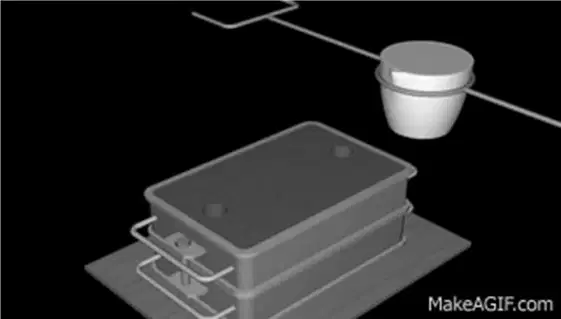
The process of Gravity Sand Casting is:
a method of shaping metal by pouring molten metal into a sand mold under the force of gravity.
a technique of using centrifugal force to cast metal into a mold.
a process of casting metal using high pressure to force the metal into a mold.
a method of casting metal by using a vacuum to draw the metal into the mold.
What is one advantage of Gravity Sand Casting?
It allows for complex shapes to be cast.
It is the most cost-effective method.
It requires no special equipment.
It produces the smoothest surface finish.
What is one limitation of Gravity Sand Casting?
Limited to simple shapes
High production cost
Requires skilled labor
Limited material options
Fill in the blank: In Gravity Sand Casting, metal is melted and poured into a ________.
mold
bucket
furnace
container
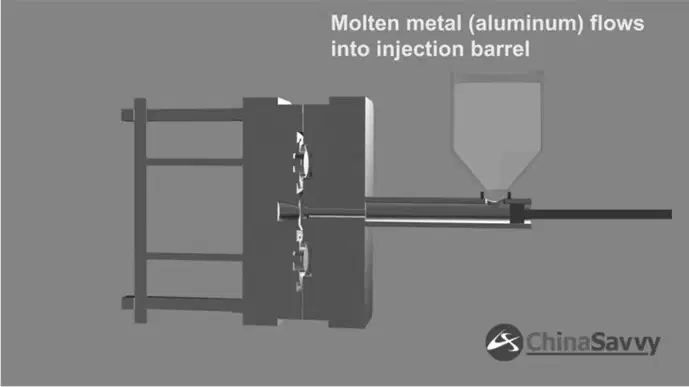
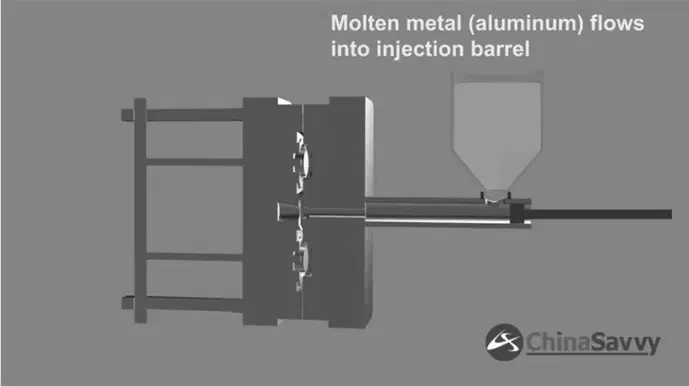
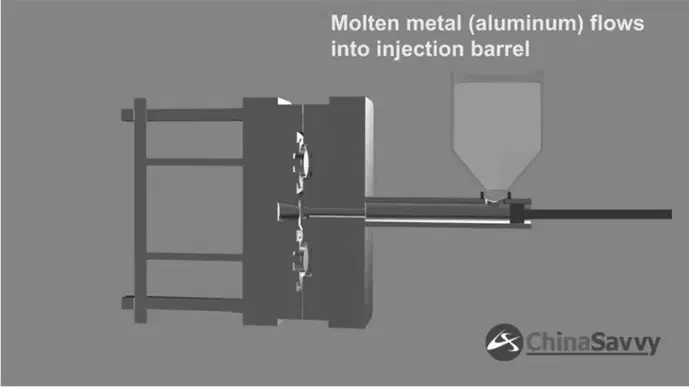
The process of die casting is:
a method of shaping metal by pouring it into a mold
a technique for joining two pieces of metal
a process of heating metal until it melts
a way to cool metal quickly
What is one advantage of die casting?
High precision and accuracy
Low production cost
Limited material options
Slow production rate
One limitation of die casting compared to sand casting is:
Higher cost
Lower precision
Slower production rate
Less surface finish quality
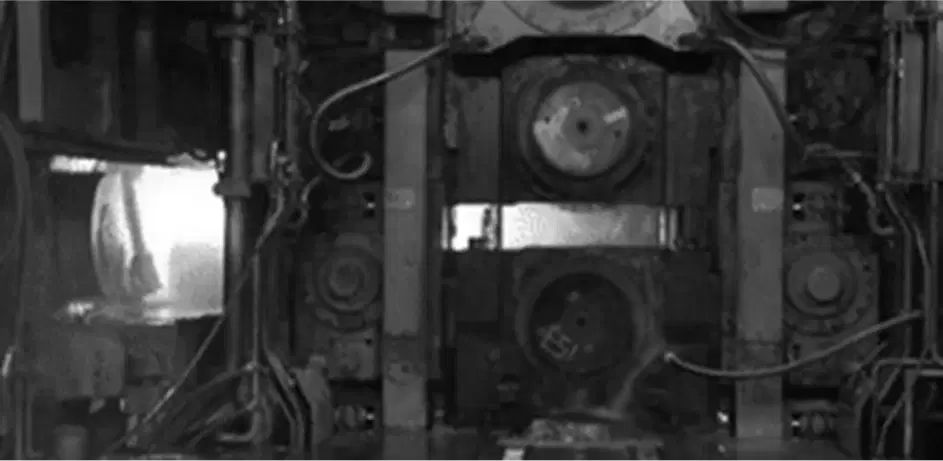
What is the process called where metal is heated above its recrystallization temperature and passed through rollers to reduce thickness?
In hot rolling, metal is heated above its ________ temperature.
recrystallization
melting
boiling
freezing
Which of the following is an example of a product made using hot rolling?
Plastic sheets
Steel sheets
Wooden planks
Glass panels
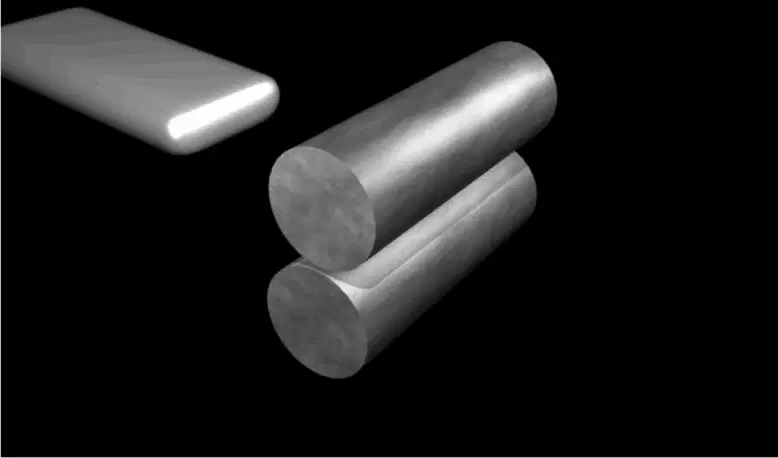
What is the temperature condition for cold rolling?
Room temperature
High temperature
Below freezing
Boiling point
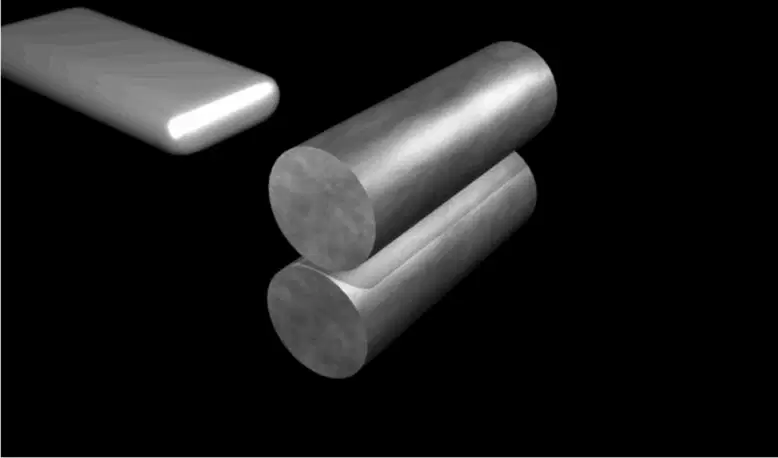
Which of the following is an example of a product made using cold rolling?
Steel sheets for car bodies
Wooden planks
Plastic bottles
Glass windows
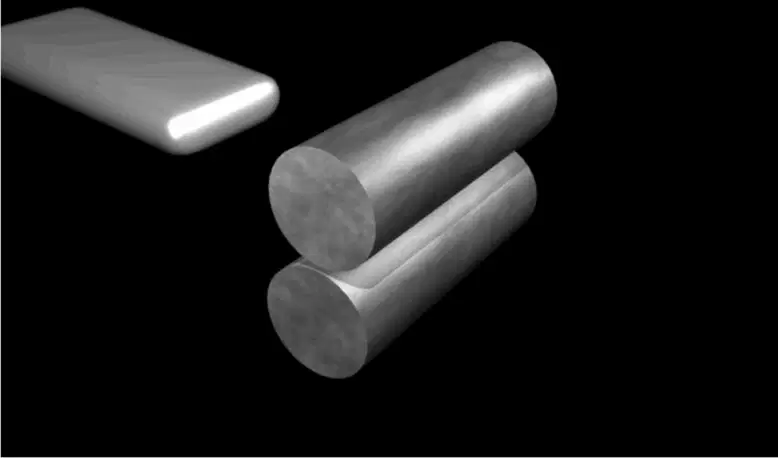
What is one of the benefits of cold rolling?
Decreases strength
Increases strength and surface finish
Increases temperature
Decreases surface finish

What is the process of shaping metal using compressive forces called?
Forging improves metal by:
increasing its strength and durability
decreasing its weight
making it more brittle
changing its color
An example of a tool made by forging is:
Hammer
Screwdriver
Pliers
Wrench
What is the first step in the hand forging process?
Cooling
Shaping
Heating
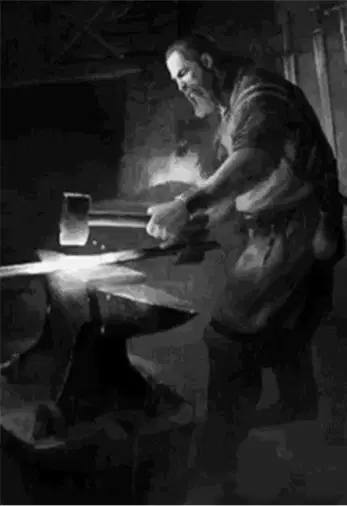
The tools used in the shaping process of hand forging are:
Hammer and anvil
Screwdriver and wrench
Pliers and saw
Drill and lathe
How is the component cooled in the hand forging process?
By air or water quenching
By heating
By shaping
What are the advantages of hand forging?
Hand forging allows for greater precision and control over the final product.
Hand forging is faster than machine forging.
Hand forging requires less skill than machine forging.
Hand forging is more cost-effective than machine forging.
What are the limitations of hand forging?
Hand forging is limited by the physical strength of the blacksmith.
Hand forging cannot produce complex shapes.
Hand forging is slower than machine forging.
All of the above.
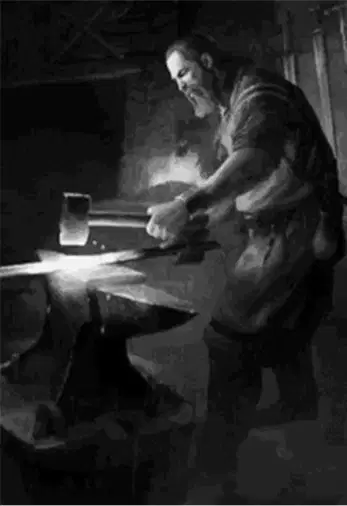
Hand forging involves:
using a machine to shape metal
heating and hammering metal by hand
casting metal into molds
cutting metal with lasers
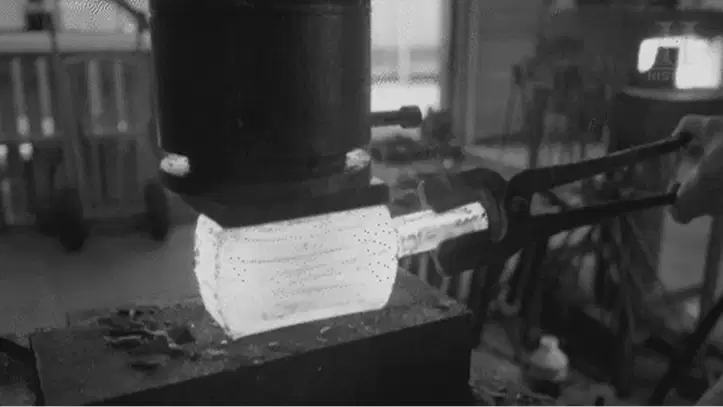
The process of drop forging involves:
heating metal and hammering it into a die
casting metal into a mold
welding metal pieces together
cutting metal into desired shapes
One advantage of drop forging is:
increased material strength
reduced production cost
improved surface finish
faster production time
What is one limitation of drop forging?
It is a slow process
It requires expensive machinery
It produces low-quality products
It is not suitable for large-scale production
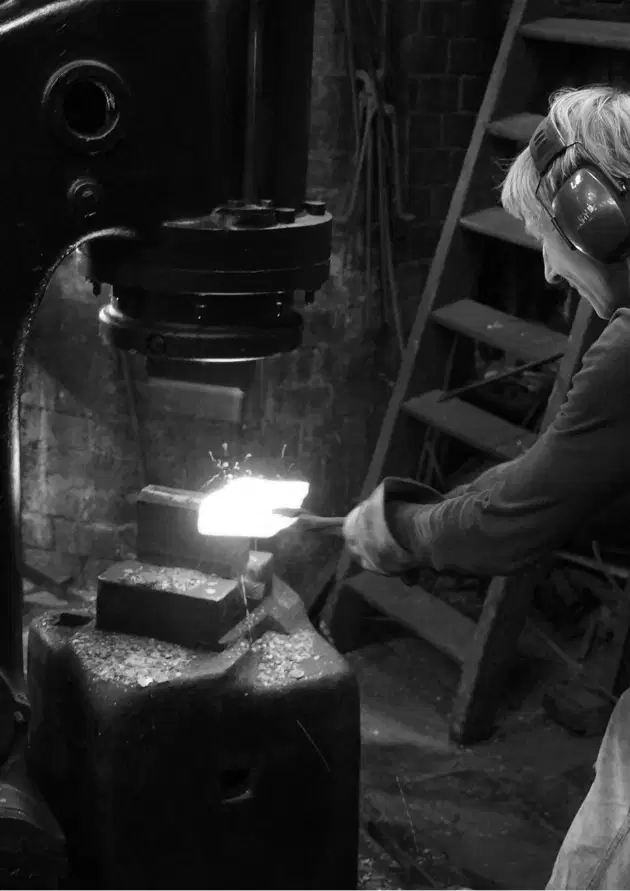
What does forging not involve?
Melting the metal
Heating the metal
Cooling the metal
Casting the metal
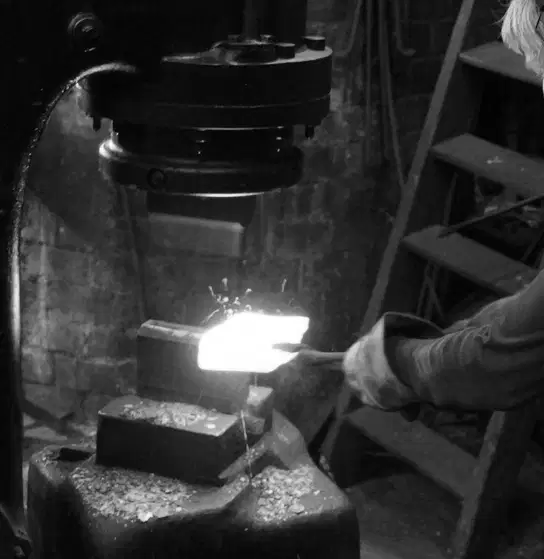
How does forging affect the internal structure of the material?
It refines the grain structure and improves mechanical properties.
It causes the material to become brittle and weak.
It has no effect on the internal structure.
It only changes the color of the material.

Is it possible to cold forge some materials?
Yes
No
What are some modern forms of forging?
Drop forging
Press forging
Upset forging
All of the above

Explain the process of Drawing in the context of Secondary Forming Processes.
Drawing is a process where a metal is stretched into a desired shape by pulling it through a die.
Drawing involves heating the metal to a high temperature and then shaping it with a hammer.
Drawing is a process of joining two metal pieces by melting them together.
Drawing is a method of cutting metal into thin sheets using a laser.
Describe the process of Extrusion as a Secondary Forming Process.
Extrusion is a process where material is pushed through a die to create objects of a fixed cross-sectional profile.
Extrusion involves heating material until it becomes liquid and then pouring it into molds.
Extrusion is a method of joining two materials by melting them together.
Extrusion is a process of cutting material into desired shapes using a laser.

What is the process of Pressing in Secondary Forming Processes?
A method of shaping materials using compressive forces
A technique for joining two materials
A process of removing material from a workpiece
A method of adding material to a workpiece

What is the process called where material is pulled through a die to reduce its diameter?
Casting
Drawing
Forging
Extrusion
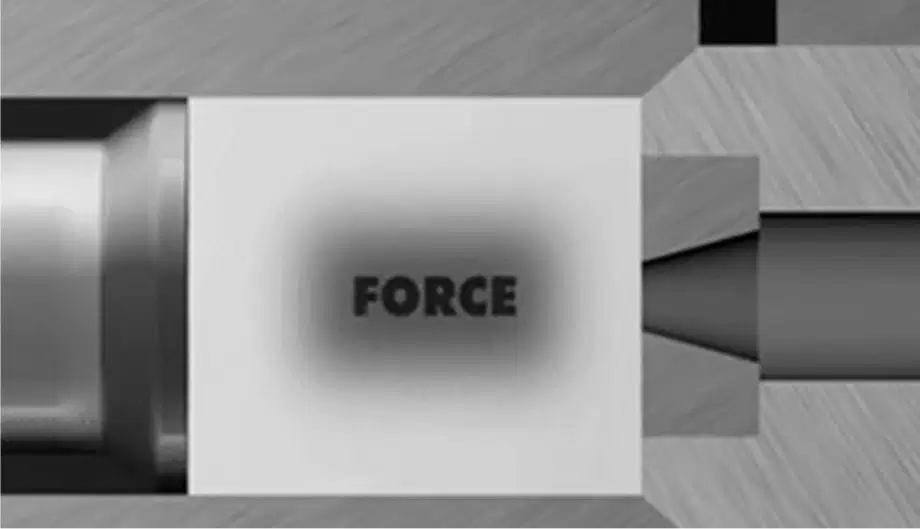
Explain the process of extrusion as shown in the diagram. Material is forced through a die to create a uniform cross-section. Example: Aluminum profiles for windows.
Extrusion is a process where material is forced through a die to create a uniform cross-section.
Extrusion involves melting material and pouring it into molds.
Extrusion is a method of joining two materials together.
Extrusion is a process of cutting material into small pieces.
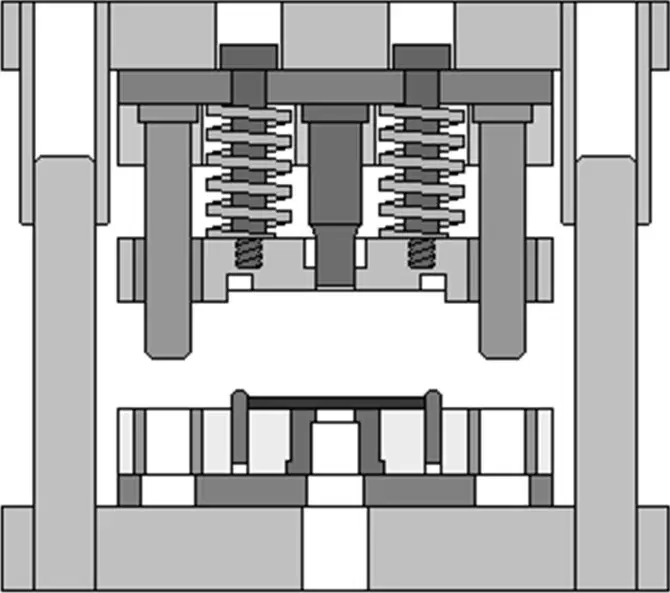
The process where a metal sheet is shaped using a press and die is called:
Forging
Casting
Stamping
Welding
Give an example of a product made using the pressing process.
Ceramic tiles
Plastic bottles
Glass jars
Metal sheets
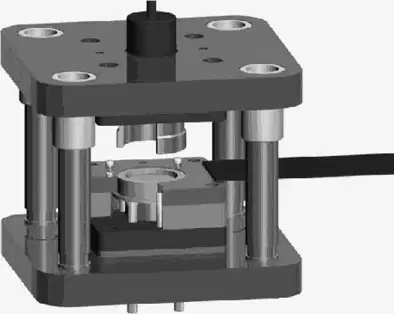
The process of shaping a metal sheet using dies is called:
Forging
Casting
Stamping
Welding
One advantage of pressing sheet metal is:
Increased strength and durability
Reduced weight
Improved aesthetics
Lower cost
What is one limitation of pressing sheet metal?
It can cause material thinning.
It is cost-effective.
It improves material strength.
It is suitable for all metals.
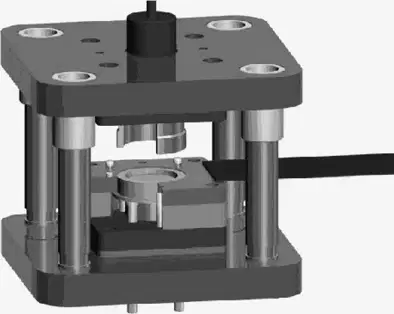
Which of the following is an advantage of pressing sheet metal?
Low initial cost
Efficient for mass production
Poor precision
Limited to small scale production
Casting is used for (a) designs that are difficult to machine (e.g., engine parts).
simple
intricate
large
small
Forging is ideal for components that require (a) strength (e.g., crankshafts).
low
medium
high
variable
Drawing is used for making wires or tubes with (a) diameters.
random
precise
large
small
Extrusion is perfect for long, (a) shapes (e.g., pipes, window frames).
irregular
uniform
complex
simple
Pressing produces large numbers of (a) parts quickly (e.g., car panels).
different
identical
unique
custom
What are the key properties required for casting?
High fluidity and low melting point
High ductility and tensile strength
Good plasticity and toughness
For hot rolling, materials need to have high ductility at (a) temperatures.
Which materials are examples of those used for cold rolling?
A) Aluminum, cast iron
B) Stainless steel
C) Copper for wires
What are the key properties required for forging?
High toughness and malleability
High fluidity and low melting point
High ductility and tensile strength

