
 Worksheets
The Willows Way - SLANT
Total questions: 82
Worksheet time: 41mins
What is the lesson title for Week One?
Sketching out 'final piece'
Applying Art material no.1
DIRT lesson
What art material is applied in Week Four?
Tonal pencil
Coloured pencil
Oil pastel
As an artist, you have been commissioned by a well-known Cardiff Healthy Eating Restaurant to produce a mixed-media piece of Art based on the theme 'Healthy Eating'. Describe how you would approach this project, including the materials you might use and the inspiration you would draw from other artists.
Use recycled materials and draw inspiration from nature and artists like Andy Goldsworthy.
Focus on digital art and take inspiration from modern digital artists.
Create a sculpture using metal and be inspired by industrial artists.
Paint a mural using bright colors and be inspired by street artists.
Artists label their designs with the art materials they are going to use because:
it helps in organizing their work.
it is a requirement by art schools.
it increases the value of the artwork.
it is a tradition in the art community.
Which out of the two designs that you have produced is the one that you are going to create for your final piece?
Design 1
Design 2
Explain your answer.
Because it is correct
Because it is incorrect
Because it is partially correct
Because it is irrelevant
What is a 'design' in relation to Art?
A plan or drawing produced to show the look and function of an object before it is made
A random pattern with no specific purpose
A type of music genre
A form of literature
What is Composition?
A type of inheritance in object-oriented programming
A way to combine simple objects or data types into more complex ones
A method of writing music
A technique for painting
The term 'design' makes you think about:
Creativity and aesthetics
Mathematics and numbers
Historical events
Cooking recipes
Fill in the blank: 'Design is defined as a plan or ideas in the form of sketches for creating a piece of art or an ______.'
object
idea
concept
design
Fill in the blank: 'In the visual arts, composition is the placement or arrangement of visual elements or 'ingredients' in a work of art, as distinct from the ______.'
subject
color
texture
style
What does 'defined' mean?
to mean / meaning of
to be unclear
to be forgotten
to be ignored
What does 'creating' mean?
to make
to destroy
to ignore
to forget
What does 'strive' mean?
try to
give up
ignore
relax
What does 'organisation' mean?
where images are placed in a picture / painting
a type of musical instrument
a method of cooking
a style of dance
What are the key elements to focus on while sketching?
Lines and shapes
Color and texture
Perspective and proportion
All of the above
Task 2: Self-assess your final piece sketch produced so far. Consider your observation of shape and detail and how lightly you are sketching. How would you evaluate your sketch based on these criteria?
Excellent observation and detail, with light sketching
Good observation and detail, but sketching is too heavy
Poor observation and detail, with light sketching
Average observation and detail, with appropriate sketching
Task 3: Use your 'an area to develop' as the focus to develop in your final piece sketch. What area have you chosen to develop in your sketch and why?
Composition
Color Palette
Texture
Lighting
Task 4: Continue to sketch out the final piece. Focus on shapes, composition of shapes, space, detail, and pattern. How will you incorporate these elements into your final piece?
By focusing on shapes, composition, space, detail, and pattern
By ignoring shapes and focusing only on color
By using only one element like pattern
By not considering any elements
Task 5: Peer-assess your peer’s final piece produced so far. Consider their observation of shapes, their composition of shapes, their use of space, detail, and pattern. What feedback would you provide to your peer based on these observations?
Their observation of shapes is excellent, but composition needs improvement.
The use of space is perfect, but more detail is required.
Patterns are well integrated, but shapes are not observed accurately.
All aspects are well executed.
Task 6: Using your peer’s feedback as a starting point, complete your final piece sketch. How will you use the feedback to improve your final piece?
By ignoring the feedback and doing it my way.
By considering the feedback to make improvements.
By asking for more feedback from others.
By starting over without using any feedback.
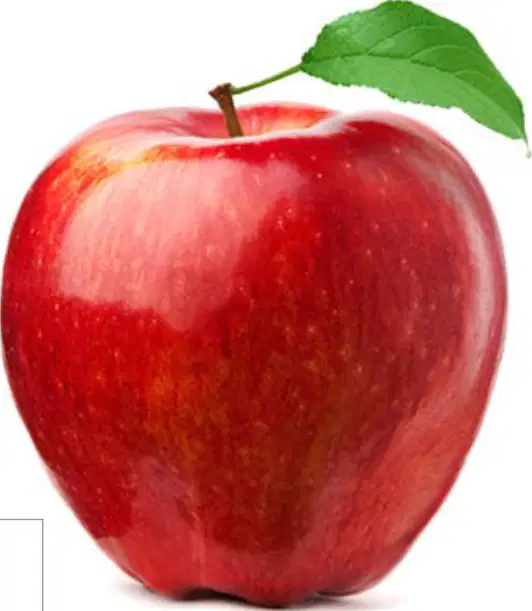
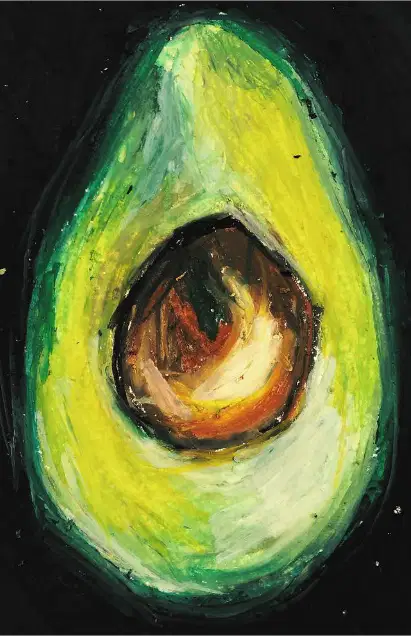
What fruit is shown in the image?
Apple
Banana
Orange
Grape
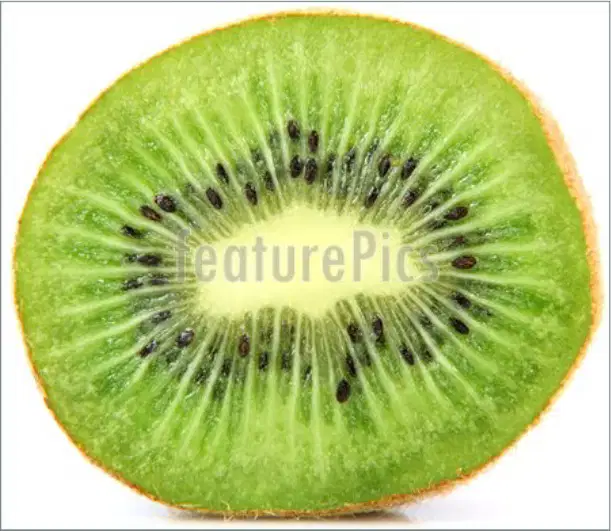
What fruit is shown in the image?
Kiwi
Mango
Pineapple
Strawberry
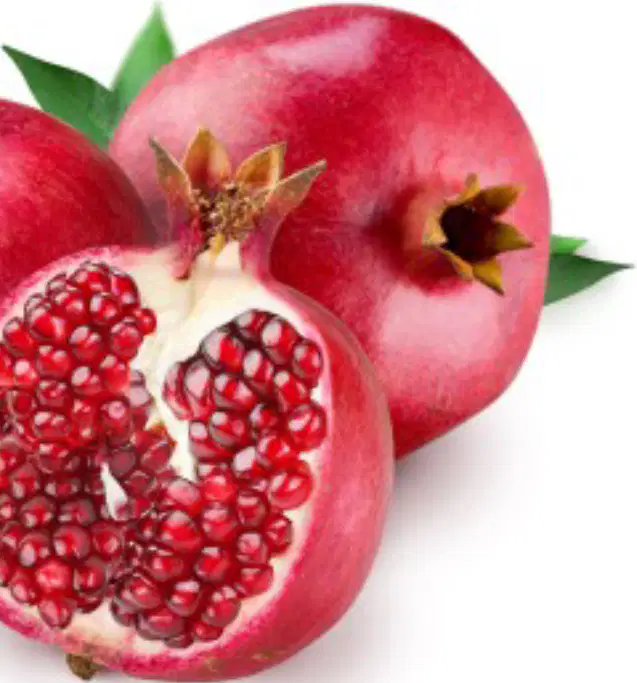
Identify the fruit shown in the image:
Apple
Pomegranate
Orange
Banana
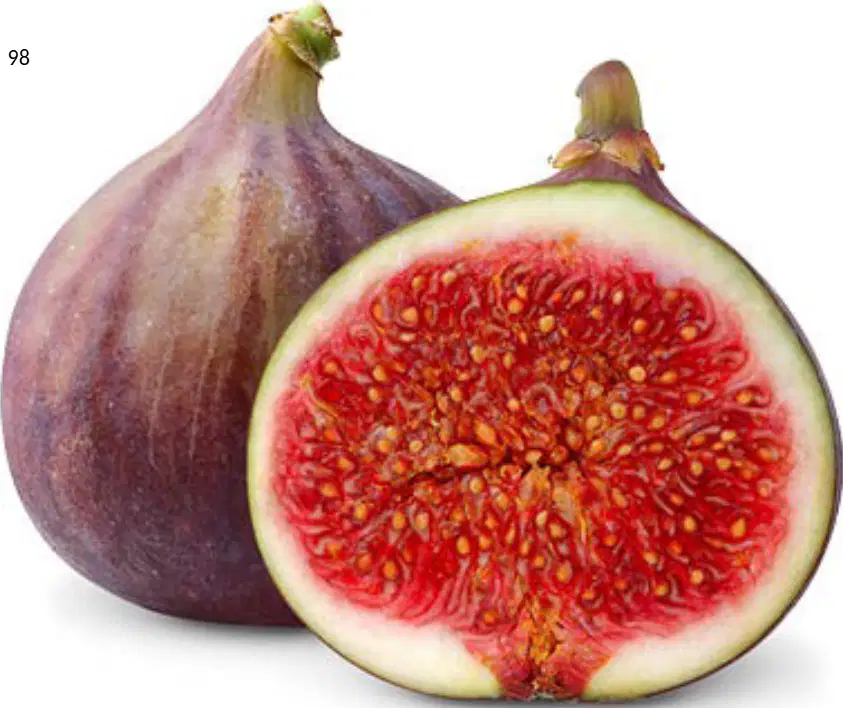
Identify the fruit shown in the image
Fig
Grape
Kiwi
Mango
The artist of the artworks shown in the image is:
Vincent van Gogh
Pablo Picasso
Leonardo da Vinci
Claude Monet
The title of the artwork shown in the bottom image is:
Starry Night
Mona Lisa
The Persistence of Memory
The Scream
What is a final design?
A preliminary sketch
The last version of a design
An unfinished draft
A random idea
Artists produce designs for their final pieces because:
they want to explore different ideas and concepts before finalizing their work.
they need to fill their sketchbooks.
they are required to do so by art schools.
they want to waste time.
How is your final design inspired by the artists that we have studied? (Angela Faustino / Swci Delic?)
My final design incorporates elements from Angela Faustino's abstract style and Swci Delic's vibrant color palette.
My final design is a direct copy of Angela Faustino's work.
My final design does not reflect any influence from the artists studied.
My final design is inspired by a completely different artist not studied.
What does the term 'Mixed-Media' in Art mean?
A technique involving the use of multiple artistic mediums in a single artwork
A style of painting using only watercolors
A form of digital art created using software
A traditional method of sculpting using clay
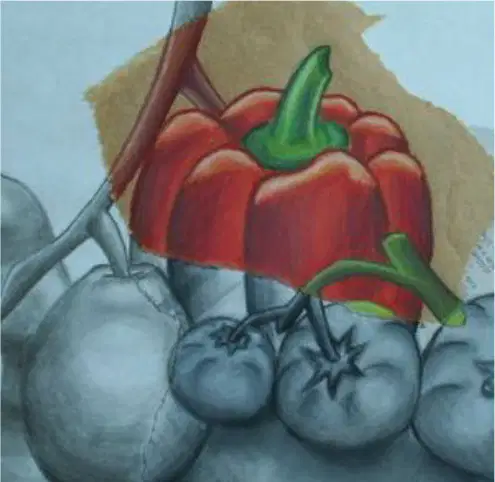
Which 'mixed-media' Art materials have been used in this image? How can you tell?
Acrylic paint and newspaper
Watercolor and charcoal
Oil paint and fabric
Pastel and ink
Fill in the blank: Defined means ________.
to mean / meaning of
undefined
confused
ambiguous
Fill in the blank: Creating means ________.
to make
to destroy
to ignore
to forget
Fill in the blank: Strive means ________.
try to
give up
ignore
relax
Fill in the blank: Organisation means ________.
where images are placed in a picture / painting
a group of people working together
a random collection of items
a single person's task
How will you incorporate tonal pencils into your final piece?
By using them for shading
By outlining the main elements
By adding texture
By highlighting specific areas
Task 3: Self-assess your final piece up to this point using ‘an area of work to share (going well) and an area to develop. How will you use the ‘area to develop’ as the focus for your next lesson?
By identifying specific goals for improvement
By ignoring the area to develop
By focusing only on strengths
By repeating the same mistakes
Describe how you create tone using shading pencils.
By varying the pressure applied to the pencil
By using different pencil grades
By changing the angle of the pencil
All of the above
Artists use tone in their artwork to:
create depth and contrast
add color
simplify the composition
make it more abstract
Describe what the art term ‘Mixed-media’ means.
A technique involving the use of only one medium in art.
A technique involving the use of multiple materials in a single artwork.
A technique involving digital art only.
A technique involving traditional painting methods only.
Peer-assess your partner’s final piece up to this point using ‘an area of work to share (an area that is going well), an area to develop’. Consider the neatness in their application of the art material used and their use of tone and detail. What areas would you identify for sharing and development?
Neatness in application of art material and use of tone
Use of detail and neatness in application of art material
Tone and detail
Neatness and tone
Further develop your coloured pencil work to your final piece. Focus on detail, tone and blending of tones. How will you approach this task to enhance your final piece?
By focusing on detail, tone, and blending of tones
By using only primary colors
By avoiding any blending
By focusing only on outlines
Describe the two different techniques for creating tone using coloured pencils.
Layering and burnishing
Shading and cross-hatching
Blending and stippling
Scumbling and hatching
Describe why artists blend their tone in their Art work.
To create a sense of depth and dimension
To make the artwork look more colorful
To simplify the painting process
To reduce the amount of paint used
The art term ‘detail’ refers to:
A small part of a work of art that is carefully finished
The main theme of an artwork
The color scheme used in a painting
The type of materials used in a sculpture
What does the term 'technique' mean?
A) A type of art
B) How you use an art material
C) A color
D) A tool
What does 'intermingling' mean?
A) To separate
B) To mix
C) To paint
D) To draw
What does 'gradual' mean?
Fast
Slow
Bright
Dark
What does 'transition' mean?
A) To stop
B) To move
C) To paint
D) To erase
What does 'subtlety' mean?
A) Gentle / Soft
B) Loud / Harsh
C) Bright / Bold
D) Dark / Deep
How will you incorporate these techniques into your artwork?
By using them in my painting style
By ignoring them
By applying them in sculpture
By discussing them in art forums
Task 2: Self-assess your final piece up to this point using WWW, EBI. What aspects of your work are you satisfied with, and what could be improved?
I am satisfied with the creativity and need to improve the technical accuracy.
I am satisfied with the technical accuracy and need to improve the creativity.
I am satisfied with both creativity and technical accuracy.
I am not satisfied with either creativity or technical accuracy.
The term 'oracy' means:
The ability to read and write
The ability to speak and listen effectively
The ability to perform mathematical calculations
The ability to understand and use technology
Why is it important to communicate ideas in art?
To express emotions and thoughts
To create confusion
To hide the artist's intent
To make art inaccessible
As an artist, how can you ensure that you improve your work?
By practicing regularly
By ignoring feedback
By avoiding new techniques
By working in isolation
Titles – are they well drawn? Do they need more colour? Are they outlined to highlight them?
Yes, they are well drawn and need no changes.
No, they need more colour and outlining.
They are well drawn but need more colour.
They are well drawn but need outlining.
Written work – check your spelling, grammar and presentation of your written work. Have you included your own opinions in your written work? Have you answered all the questions?
Yes, I have checked my spelling, grammar, and presentation, included my opinions, and answered all questions.
No, I have not checked my spelling, grammar, and presentation, included my opinions, and answered all questions.
Backgrounds – have you added colour so the artwork stands out?
Yes, I have added color to make the artwork stand out.
No, I have not added color to the artwork.
Presentation – is your work presented professionally and neatly?
Yes, it is presented professionally and neatly.
No, it is not presented professionally and neatly.
Colour work – is it complete? Have you used tone?
Yes, the colour work is complete and tone is used.
No, the colour work is not complete and tone is not used.
The colour work is complete but tone is not used.
The colour work is not complete but tone is used.
What is Abstract Art?
A style of art that uses shapes, colors, and forms to achieve its effect.
A form of art that depicts realistic scenes and objects.
A type of art that focuses on historical events.
A genre of art that primarily uses digital tools.
Acrylic Paint is a type of:
Oil paint
Watercolor paint
Acrylic paint
Gouache paint
What is Art Criticism?
A method of interpreting art
A form of art creation
A historical art movement
A type of art material
What does Blend mean in art?
A technique to mix colors smoothly
A type of sculpture
A form of digital art
A style of painting
Charcoal is used for what purpose in art?
Sketching and shading
Building structures
Mixing colors
Creating digital art
How is Colour produced?
By mixing different wavelengths of light
By using a color wheel
By painting
By using colored filters
A Colour Wheel is:
a tool for organizing colors
a type of vehicle
a musical instrument
a type of food
Complementary Colours are:
Colors opposite each other on the color wheel
Colors next to each other on the color wheel
Colors that are shades of the same hue
Colors that are tints of the same hue
Fill in the blank: _______ is the way that people or things are arranged in a painting or photograph.
Composition
Color
Texture
Perspective
Fill in the blank: _______ is a technique that creates tonal or shading effects when straight lines are placed at an angle against the first line.
Crosshatching
Hatching
Stippling
Scumbling
Fill in the blank: _______ is an art movement (1907 – 1914) begun by Pablo Picasso and Georges Braque.
Cubism
Impressionism
Surrealism
Futurism
Fill in the blank: _______ means having a slanted direction.
Diagonal
Horizontal
Vertical
Parallel
Fill in the blank: _______ is a deceptive or misleading image.
Illusion
Reality
Truth
Fact
Fill in the blank: _______ is a picture, idea, or impression of a person, thing, or idea.
Image
Sound
Word
Gesture
Fill in the blank: _______ is a thick or lumpy application of paint.
Impasto
Glaze
Wash
Scumble
Fill in the blank: _______ is a mark with length and direction.
Line
Circle
Square
Triangle
Fill in the blank: _______ is a person who poses for an artist.
Model
Painter
Sculptor
Photographer
Fill in the blank: _______ are works of art made with paint on a surface.
Painting
Sculpture
Drawing
Photography
Fill in the blank: _______ is a method of painting developed in France in the 1880's in which tiny dots of colour are applied to the canvas. When viewed from a distance the colours appear to blend together.
Pointalism
Cubism
Impressionism
Surrealism
Fill in the blank: _______ is a style of art from the 1970’s that depicted everyday scenes with detailed realism, the brushwork is barely visible.
Photo Realism
Impressionism
Cubism
Abstract Expressionism
Fill in the blank: _______ is a work of art that depicts a person, group of people, or an animal.
Portrait
Landscape
Abstract
Still Life

