
Font size
 Worksheets
Quizizz - Apartheid
Total questions: 49
Worksheet time: 42mins
Which group of people held the power during apartheid?
Asians
White South Africans
Non whites of South Africa
Black South Africans
Who was arrested and went to jail for leading protest against apartheid law?
F.W. deKlerk
Gandhi
Martin Luther King
Nelson Mandela
What organization was formed to gain equal right for black Africans in South Africa?
African National Congress
The African Union
United Nations
League of Nations
Who graduated college and became a lawyer that helped South African charged with breaking apartheid laws?
Jomo Kenyetta
Martin Luther King Jr
F.W. deKlerk
Nelson Mandela
In the 1900's, this country had less than 10% of the citizens were white but owned 80% of the land.
Kenya
South Africa
Nigeria
Congo
What year did South Africa have it's first free election open to all races?
2012
1999
1994
2002
Which president in South Africa brought apartheid to an end?
Nelson Mandela
Jomo Kenyatta
F.W. deKlerk
JF Kennedy
Nelson Mandela was elected the first black president of South Africa.
True
False
When Did Apartheid Start?
1948
1965
1890
1978

Mandela was arrested after fighting for blacks to have HUMAN RIGHTS. He was jailed for...........
27 years.
37 years.
27 months.
37 months.

This political party made APARTHEID. They were called the ..........
Labour party.
Apartheid party.
National Party
Eagle party.
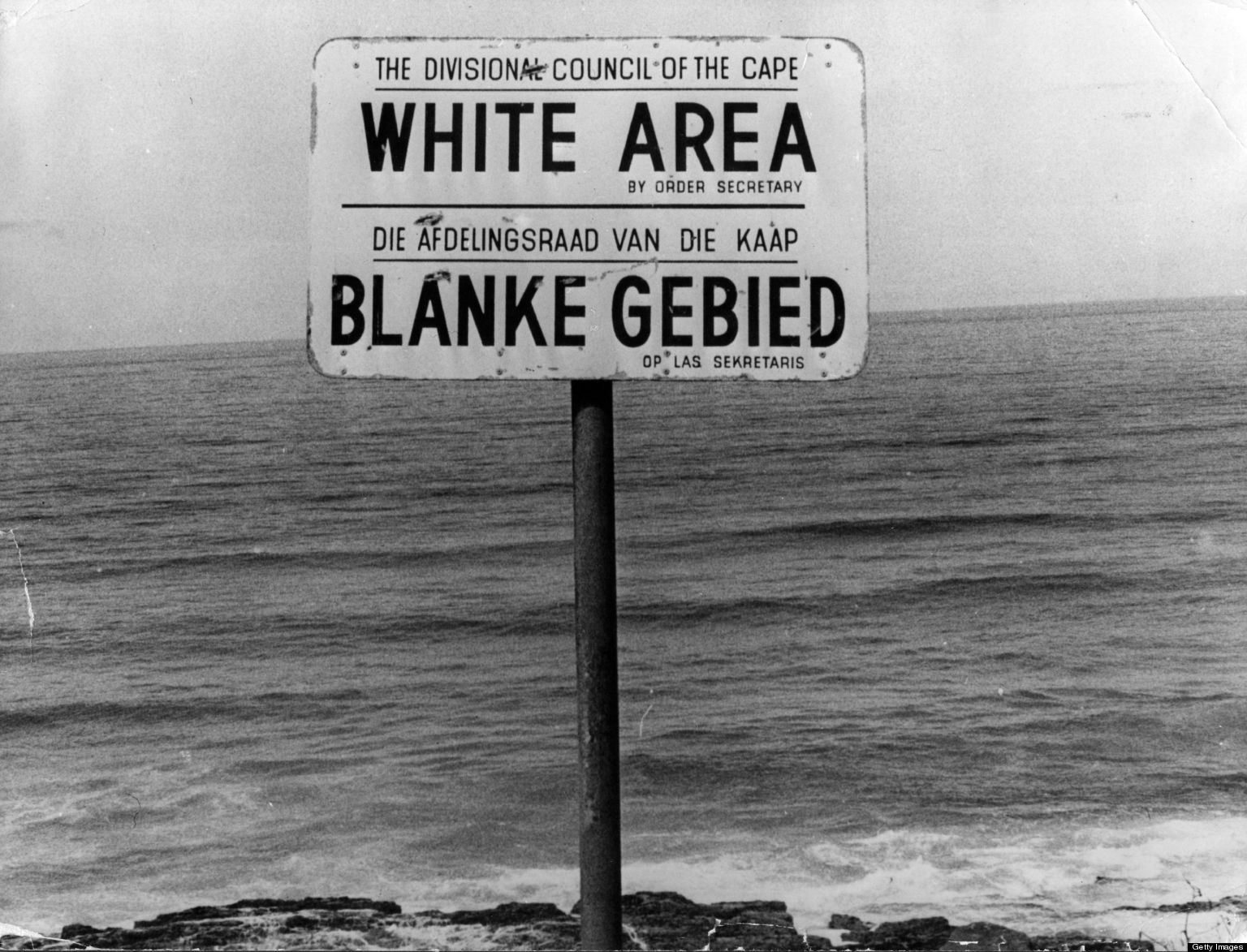


What was the primary goal of apartheid?
To promote economic growth
To enforce racial segregation
To encourage international trade
To support educational development
Which act in 1913 marked the beginning of territorial segregation in South Africa?
The Land Act
The Unity Act
The Equality Act
The Freedom Act
What did the Population Registration Act of 1950 do?
Allowed freedom of movement
Established a new currency
Classified South Africans by race
Provided free education
Which event in 1960 marked a turning point in the fight against apartheid?
The Cape Town Agreement
The Durban Peace Accord
The Soweto Uprising
The Sharpeville Massacre
What was the main purpose of the Bantu Homelands, created by the Promotion of Bantu Self-Government Act of 1959?
To promote educational opportunities
To segregate Black South Africans
To encourage self-sufficiency
To provide employment
What percentage of the population did black Africans make up during apartheid?
30%
50%
70%
20%
How were black South Africans forced to carry passbooks?
To show their employment status
To access public facilities
To travel to other countries
To prove their education
What was the main goal of the embargoes imposed on South Africa?
To force a change in discriminatory policies
To improve diplomatic relations
To increase trade with South Africa
To support apartheid policies
What event in 1990 marked the beginning of the end of apartheid in South Africa?
Release of Nelson Mandela
First multiracial elections
Imposition of embargoes
Repeal of apartheid laws
What was one of Nelson Mandela's goals as president of South Africa?
To segregate the races further
To overcome the hatred from apartheid years
To promote racial hatred
To continue apartheid policies

How did South Africa's government change after apartheid ended?
It didn't change
Black South Africans took power by force
Black South Africans took power through fair elections
White South Africans were forced into segregation
How did the United States react to Nelson Mandela's conviction in 1964?
They restricted trade with South Africa.
They promoted South African goods
They supported the conviction


A similarity of the goals of Nelson Mandela and Mohandas Gandhi is that both leaders wanted to
secure political power for the majority of the people
encourage a greater degree of industrialization
improve the economy by expanding governmental control
gain independence from the Soviet Union
One way in which apartheid in South Africa and the caste system in India are similar is that both systems
allowed for educational opportunities
determined roles based on gender
revolved around central religious beliefs
enforced different sets of rules for distinct groups of people
"I have walked that long road to freedom. I have tried not to falter; I have made missteps along the way. But I have discovered the secret that after climbing a great hill, one only finds that there are many more hills to climb. I have taken a moment here to rest, to steal a view of the glorious vista that surrounds me, to look back on the distance I have come. But I can rest only for a moment, for with freedom comes responsibilities, and I dare not linger, for my long walk is not yet ended."
— Nelson Mandela, Long Walk to Freedom, Little, Brown and Co., 1994
When Mandela referred to "climbing a great hill," he was referring to the struggle to
end apartheid in South Africa
modernize South Africa's economy
end economic sanctions against South Africa
stop majority rule in South Africa
Which statement best describes the significance of awarding the 1985 Nobel Peace Prize to Bishop Desmond Tutu of South Africa?
The world community was endorsing the apartheid practices of the government of South Africa.
The European policy of remaining neutral in regard to human rights issues was reaffirmed.
The separation of church and state was promoted as a universal concept.
Nonviolence was recognized as a way to bring about change in South Africa.
In 1990, the Republic of South Africa released Nelson Mandela from prison. This action symbolized the
effect of urbanization on traditional values
rejection of the civil rights movement in South Africa
effectiveness of international sanctions
failure of the United Nations to influence international policy
In the Republic of South Africa, the primary goal of the African National Congress (ANC) has been to
eliminate Communist influence
rule as the majority political party
create a united Africa
promote homeland areas for blacks
Where did Afrikaners live in South Africa?
Slums outside the city
Up-scale neighborhoods
Bantustans
What were Bantustans in South Africa?
Reservations for native Africans to live
Areas where Afrikaners lived
Tribes
Which rights were denied to non-whites during Apartheid?
Right to free speech
Ownership of land
Right to vote
Right to move freely
All of these
What was the significance of June 16, 1976, in South Africa's history?
The end of apartheid
The start of the Defiance Campaign
The Soweto Uprising
Nelson Mandela's release from prison
What event led the ANC to adopt a more militaristic approach in their protests?
Soweto Uprising
Nelson Mandela's imprisonment
Sharpeville massacre
International sanctions
49-56.
Answer the questions below after watching the video
What was the primary language imposed by the Apartheid government for education?
Dutch
Zulu
English
Afrikaans
Which political party introduced the Apartheid policy in 1948?
United Party
National Party
Pan-Africanist Congress
African National Congress
What event in 1960 marked a significant escalation in the Apartheid government's repression?
Sharpeville Massacre
Soweto Uprising
Bloemfontein Convention
Durban Strikes
Who led the armed wing of the ANC established in 1961?
Oliver Tambo
Nelson Mandela
Joe Slovo
Desmond Tutu
What was the international community's reaction to the Soweto Massacre?
Military intervention
Trade embargoes against South Africa
Indifference
Support for the Apartheid regime
What was the main reason behind the establishment of separate parliaments for different racial groups?
To promote equal rights
To maintain control over non-white populations
To empower non-white populations
To prepare for international scrutiny
What significant action did F.W. de Klerk take in 1990?
He unbanned the ANC
He resigned from office
He declared war on neighboring countries
He intensified Apartheid policies
In what year did Nelson Mandela become South Africa's first Black president?
1990
2002
1994
1998

